Verified Architectural & Furniture Assemblies
Precision-tested architectural fittings, dampening lid stays, high-strength furniture supports, and commercial accessories engineered under strict ISO 9001 and CE compliance protocols.
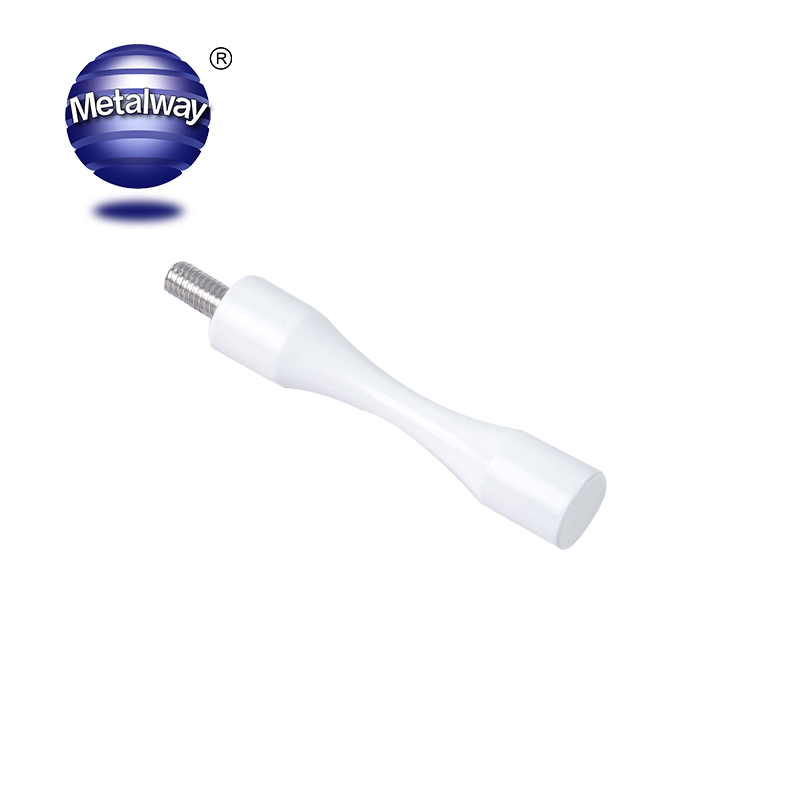
Pegboard Accessories Organizer Kit Heavy Duty Aluminum Hooks Single Tier Bathroom Kitchen Garage Wall Storage Tools Organization
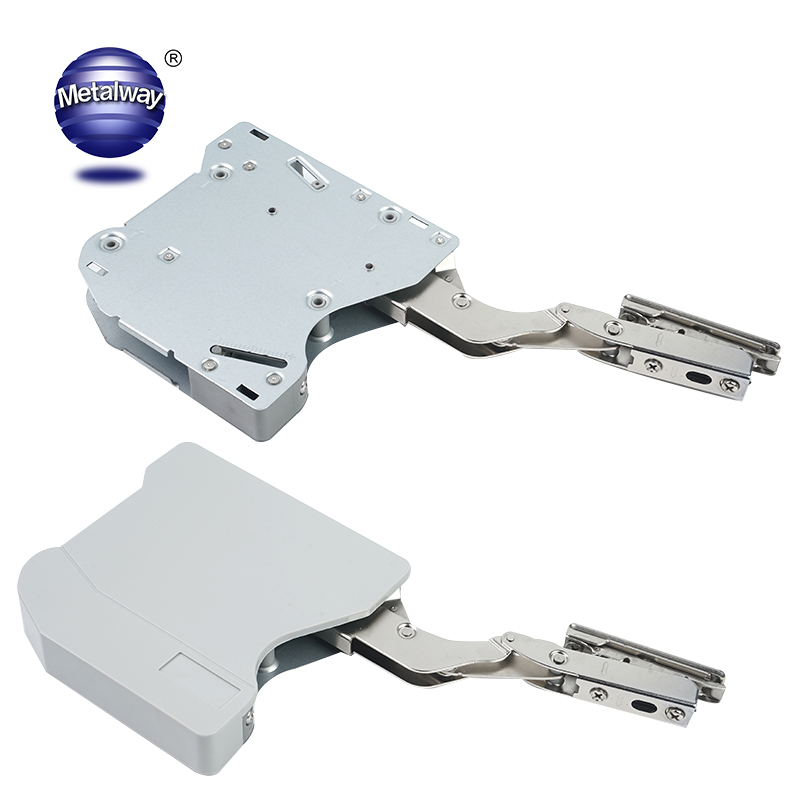
Kitchen Heavy Duty Hydraulic Lid Stay Arm Cabinet Support Flap Stay for Furniture
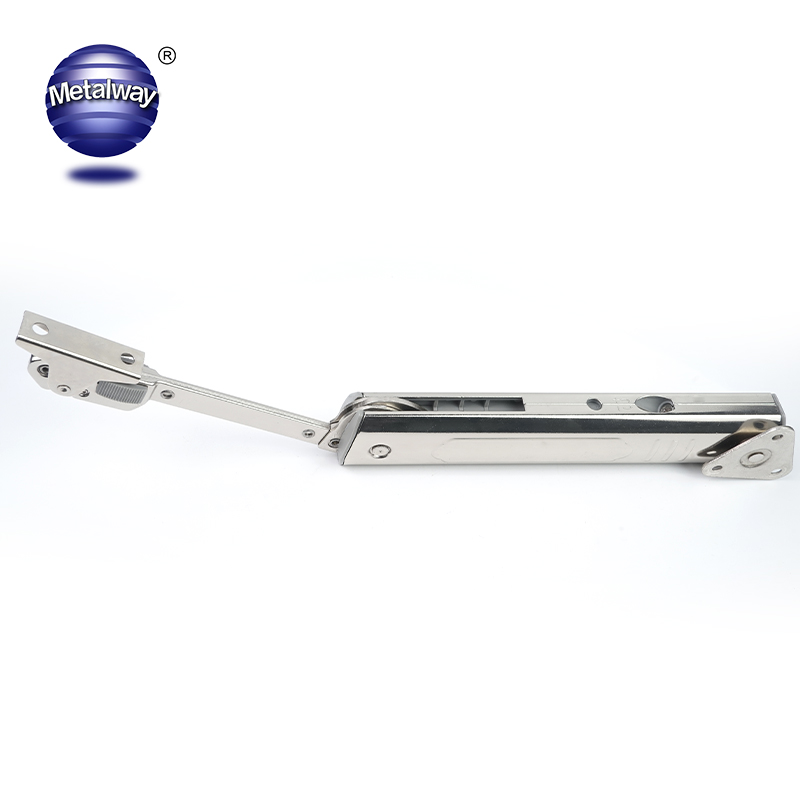
Industrial Zinc Alloy Hydraulic Lift System for Wooden Kitchen Cabinet Doors with Soft Close Free Stop & Strong Structure
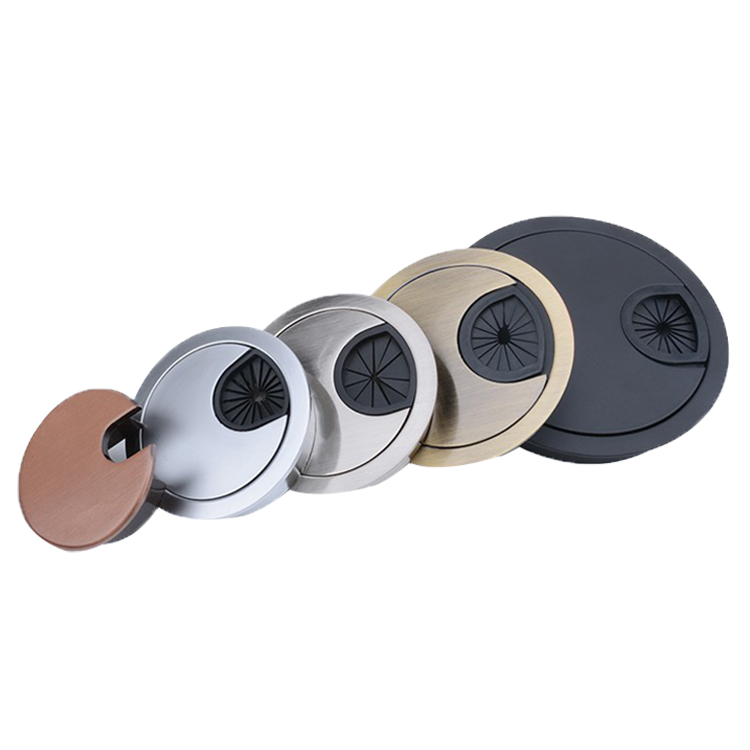
Modern Zinc Alloy 60mm Cable Grommet for Hotel Home Office & School Computer Desk-round Wire Management Cover
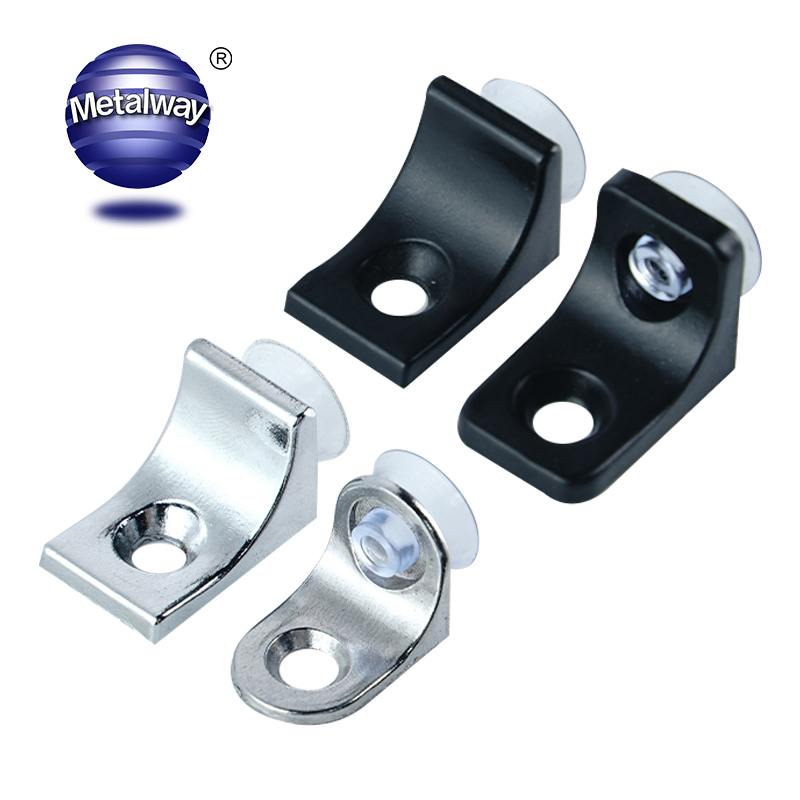
Zinc Alloy Chrome Plating Durable Strong Waterproof Easy Installation Metal Cabinet Shelf Support Pegs for Glass and Wooden
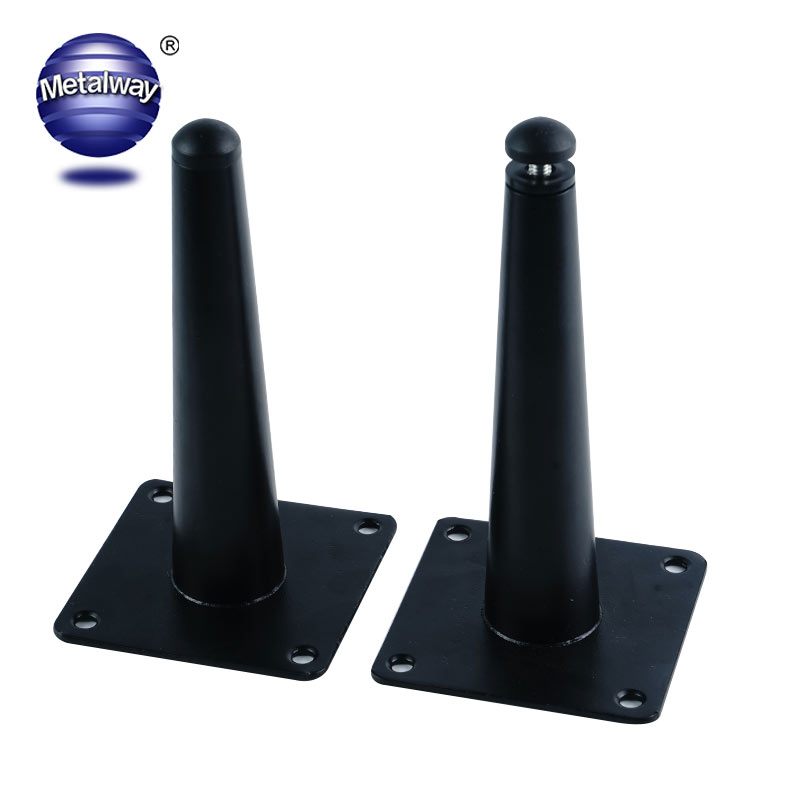
Iron Adjustable Conical Shaped Furniture Legs 6 Inches Black Powder Coated for Sofa Bed & Dining with 10mm Adjustment
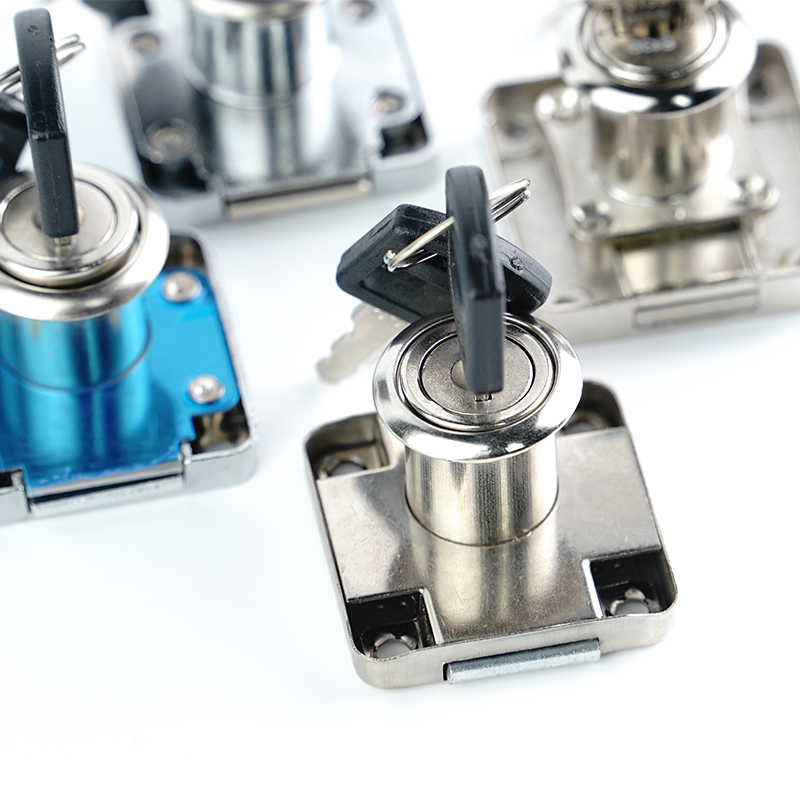
Furniture Metal Hot Sale Iron Front Drawer Cam Lock Square Cabinet Lock Desk Drawer 138 Drawer Lock
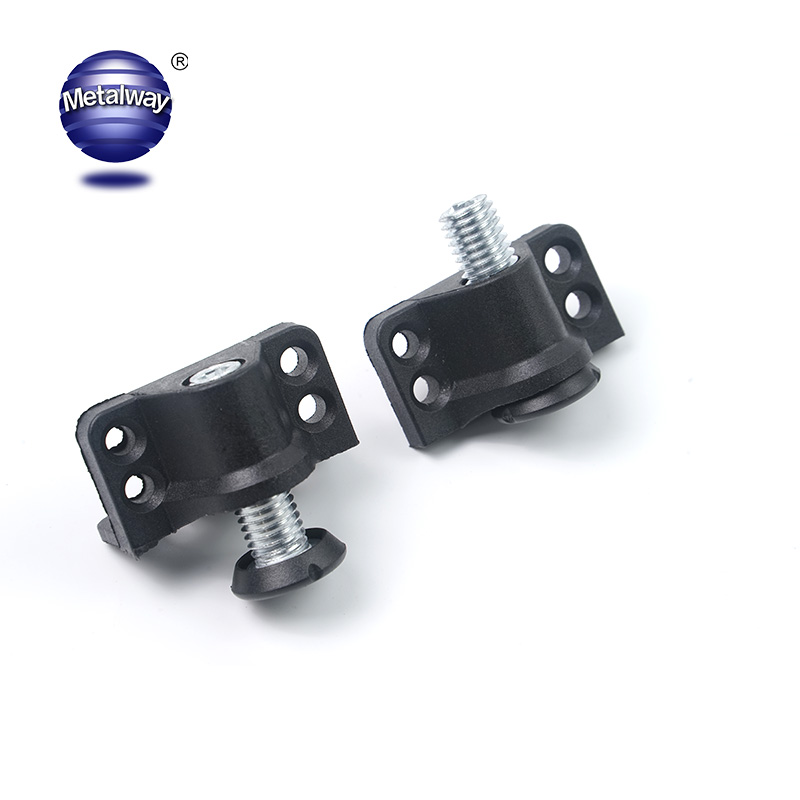
Modern Minimalist Chrome Iron Heavy Duty Adjustable Furniture Legs for Bedroom Living Room Home Office Outdoor-Side-Mounted
Engineering Architecture of CE Certified Sliding Door Rollers
A technical deconstruction of mechanical performance, bearing micro-tribology, material resilience, and regulatory compliance under EN 1527:2019 and Construction Products Regulation (EU) No 305/2011.
In high-traffic architectural spaces, hospitality resorts, and luxury residential projects, sliding door assemblies undergo relentless mechanical stress. The European Standard EN 1527:2019 sets out rigorous performance criteria that classify hardware for sliding and folding doors. As premier CE certified sliding door rollers factories & exporters, Foshan EHOME Hardware builds its core assemblies around this nine-digit classification code, ensuring that every sliding trolley, tandem carrier, and track rail delivers predictable kinetic behavior over hundreds of thousands of duty cycles.
The structural anatomy of an industrial-grade sliding roller comprises four fundamental assemblies: the structural hanger body (die-cast Zamak or heavy-gauge SUS304/SUS316), the precision rotation nucleus (sealed, deep-groove ball bearings meeting ABEC-3 to ABEC-5 tolerances), the tire or wheel cladding (extruded polyoxymethylene POM, polyamide PA66, or high-modulus polyurethane), and the dynamic anti-derailment / anti-jump retention system.
| Classification Digit | EN 1527 Evaluation Metric | Certified Performance Spectrum | EHOME Factory Quality Threshold |
|---|---|---|---|
| Digit 1 | Category of Use | Grades 1 to 3 (Low to Heavy Commercial) | Grade 3: Extreme duty public and high-frequency hospitality doors |
| Digit 2 | Durability (Cyclic Testing) | Grade 1 (2,500) to Grade 6 (100,000 cycles) | Class 6: 100,000 to 200,000 full stroke cycles under rated load |
| Digit 3 | Door Panel Mass | Grades 1 (0-50kg) to 4 (Over 330kg) | Rated from 80kg (frameless glass) to 450kg (industrial soundproof acoustic partitions) |
| Digit 4 | Fire Resistance | Grade 0 (Not Tested) to Grade 1 (Fire Rated) | Available SUS304 fire-rated assemblies with intumescent seals |
| Digit 5 | Safety in Use | Grade 1 (Mandatory Standard Safety) | Integral mechanical stops, lock-tight carrier bolts, and anti-derailment pins |
| Digit 6 | Corrosion Resistance | Grade 0 to Grade 4 (Neutral Salt Spray 240 hrs) | Grade 4 certified (> 240 to 480 hrs NSS test ISO 9227 without pitting) |
| Digit 7 | Initial Friction Resistance | Grades 1 to 3 (Max frictional force percentage) | Grade 3: < 5% initial pull/push force, guaranteeing smooth ergonomic glide |
Bearing Micro-Tribology
We deploy high-carbon chromium bearing steel (GCr15 / AISI 52100) or complete SUS440C stainless bearings. Dual-sided synthetic rubber NBR seals (2RS) keep synthetic polyurea greases intact, preventing micro-particulate intrusion and maintaining acoustic noise below 38 dB under rolling friction.
ABEC-5 Tolerance RatedPolymer Wheel Engineering
Virgin crystalline Polyoxymethylene (POM, Delrin®) and Polyamide 66 with 15% PTFE additive deliver superior creep resistance, zero flat-spotting after static parked loads of 30 days, and exceptional impact dampening across extreme operating temperatures (-30°C to +80°C).
Anti-Flat-Spot Polymer MatrixDual-Axis Hydraulic Soft-Closing
Integrated fluid dampers combined with reinforced spring cartridges capture doors traveling up to 0.7 m/s, softly decelerating the panel over a 65mm stroke. This prevents bounce-back, eliminates glass vibrations, and safeguards framing integrity in luxury projects.
Two-Way Soft BrakingFuture Sourcing & Technological Trends (2025–2030)
Actionable analysis for global hardware procurement directors, architectural product brand owners, and construction project managers evaluating the next cycle of sliding hardware evolution.
1. The Transition to Micro-Living and Ultra-Silent Acoustic Partitions
Rapid global urbanization and modular interior construction have elevated sliding pocket doors and movable acoustic walls from space-saving novelties to architectural necessities. Contemporary corporate office layouts, high-density residential towers, and healthcare environments demand high acoustic attenuation (STC 40+). To support heavy laminated double-glazed panels or acoustic core doors weighing 150 kg to 300 kg without transmission of airborne or structure-borne noise, procurement teams are abandoning standard single-wheel designs in favor of four-wheel or eight-wheel articulated self-balancing bogie carriages. These dynamic carriages evenly distribute weight across all contact points, mitigating track deflection and keeping acoustic vibration below threshold levels.
2. Seamless Concealed Mechanics and Minimalist Sightlines
Architects increasingly demand "invisible" hardware. The market is shifting away from bulky exposed top rails toward ceiling-recessed tracks that sit flush with drywall finishes, alongside bottom-running systems concealed entirely within narrow door stile profiles. This architectural trend requires roller manufacturers to deliver ultra-compact carriage housings forged from aircraft-grade aluminum alloys or precision-stamped SUS304. Despite reducing carrier heights by up to 35%, these fittings must retain full 3D adjustment mechanisms (lateral, vertical leveling ±5mm, and tilt alignment) that installers can service quickly via concealed set screws without detaching the panel.
3. Circular Economy Compliance and Carbon Footprint Traceability
With the European Union tightening the Corporate Sustainability Due Diligence Directive (CSDDD) and ecodesign mandates for construction elements, top-tier global importers are auditing factory energy mixes and material recyclability. Leading sliding door rollers exporters are shifting away from petroleum-heavy lubricants and heavy metals. Production advances include bio-based synthetic greases with lifetime lubrication capabilities, 100% recyclable virgin POM rollers, lead-free zinc alloys (Zamak 3 compliant with RoHS 3 and REACH regulations), and anodizing processes powered by closed-loop water treatment plants. Sourcing departments now request verified Environmental Product Declarations (EPDs) alongside their standard CE Declaration of Performance (DoP).
4. Magnetic Levitation (Maglev) and Smart IoT Motor Integration
The premium residential and commercial hospitality sectors are rapidly embracing magnetic levitation sliding door systems. Unlike traditional kinetic friction rollers, Maglev tracks utilize electromagnetic repulsion to lift the door panel slightly, eliminating mechanical bearing contact altogether for virtually noiseless, frictionless operation. Concurrently, conventional roller carriages are being re-engineered with integrated brushless DC motors, hidden power-transfer contacts, and RF/Zigbee sensors, enabling touchless proximity access and smartphone automation without requiring unsightly surface wiring.
Consolidated SKU Shipments
Combining heavy architectural sliding rollers, cabinet hinges, hydraulic lid supports, and furniture legs in single FCL shipments drastically trims landed freight expenses and optimizes inventory turnover.
Accelerated Rapid Prototyping
Direct CAD-to-CNC toolpath generation and functional 3D nylon sintering slash sampling turnaround from 45 days down to 7 business days, shortening time-to-market for proprietary OEM profiles.
Anti-Corrosive Nanocoatings
Advanced physical vapor deposition (PVD) and cationic electrophoretic deposition protect roller carriages and exposed guides against atmospheric chlorides in coastal hotels and chlorinated water parks.
Full Traceability Batch Records
Laser-engraved batch serial numbers and optical QA scanning ensure complete material pedigree, bearing hardness certificates, and digital testing records are tied directly to export manifests.
Why Tier-1 Global Importers Partner with Foshan EHOME Hardware
Rooted in China's premier architectural metalworking and furniture manufacturing hub in Foshan, Guangdong, EHOME delivers factory-direct engineering, comprehensive certifications, and rigorous export quality control.
Foshan Hardware Cluster Synergy
Situated in Southwest Street, Sanshui, Foshan, our plant taps directly into the world’s most comprehensive supply ecosystem for metallurgical raw materials, precision die-casting, high-volume punch stamping, and cutting-edge anodizing.
TÜV Rheinland On-Site Assessed
Our manufacturing workshops, tooling infrastructure, testing instruments, and labor practices undergo regular on-site verification by TÜV Rheinland, offering overseas compliance and risk management teams complete purchasing security.
Dual-Stage Quality Gates
We execute strict incoming raw material spectral testing (confirming SUS304 chemical composition, Zamak purity, and steel grade) followed by mandatory finished-goods cycle testing, load deflection checks, and zero-defect packaging audits.
OEM / ODM Global Service
With 13 years of industrial leadership and over a decade of direct B2B export operations, our engineering team assists clients with custom dimensional tolerances, laser-etched branding, retail barcode blister packs, and palletized container consolidation.
Frequently Asked Questions on CE Certified Sliding Rollers
Direct technical and operational answers compiled by senior product engineers to streamline your request for quotation (RFQ), sampling, and compliance verification processes.
Every shipment of our CE certified architectural hardware includes a complete Declaration of Performance (DoP) referencing standard EN 1527:2019. We supply independent accredited laboratory reports verifying the 9-digit performance classification, metallurgical spectral composition certificates (spectrometry verifying stainless steel nickel and chromium content), salt spray chamber reports (ISO 9227), and complete dimensional inspection sheets for custom OEM projects.
Wheel flat-spotting occurs when low-grade plastic or recycled nylon suffers from mechanical creep under permanent compressive load while a door remains stationary. EHOME utilizes only 100% virgin Polyoxymethylene (POM, Polyacetal) or carbon-fiber reinforced Polyamide 66 with customized molecular weights. These materials exhibit minimal creep modulus under sustained contact pressures of up to 120 kg per wheel, ensuring zero bumpiness upon reopening even after remaining parked for months.
Yes. Our in-house tooling division specializes in ODM and sample-based customization. We develop custom aluminum extrusion dies for specific track geometries, custom stamping dies for bespoke hanging plates, and precision zinc-alloy die-casting molds. Tooling lead times are typically 20 to 25 days, with verified off-tool first-article samples delivered via express courier within 7 business days following tooling validation.
For catalog roller systems and stock structural fittings, MOQs start from 50 to 200 complete sets, accommodating mixed-SKU container orders across our furniture legs, handles, hinges, and bathroom hardware lines. For fully bespoke OEM designs requiring unique tooling, MOQs typically range from 1,000 to 2,000 sets depending on material alloy. Standard mass production lead times are 15 to 35 calendar days from signed proforma invoice and deposit confirmation.
For dry interior applications (pocket doors, wardrobe sliders, office dividers), electro-galvanized carbon steel or SUS201 stainless steel components paired with POM rollers provide optimal cost-to-performance efficiency. However, for exterior glass patio doors, coastal installations, swimming pool enclosures, or high-humidity regions, we strictly mandate AISI 304 or marine-grade AISI 316 assemblies with passivated stainless bearings and Grade 4 salt spray protection (240+ hours).
Roller assemblies are prone to finish scratches and bearing contamination if packaged poorly. We protect each hardware component within individual polybags or molded pulp blisters, boxed in heavy five-layer corrugated cartons with edge-reinforced inner dividers. Pallets are wrapped with multi-layer waterproof stretch film, corner edge-protectors, and nylon strapping. Cartons are also treated to resist high tropical humidity during sea freight voyages.
Accelerate Your Hardware Procurement with Verified CE Certified Quality
Send your structural drawings, target weight limits, cycle expectations, or annual volume estimates. Our senior applications engineer and export account team will review your specifications and reply with full CAD models, test reports, and competitive FOB/CIF pricing within 24 hours.