Featured Commercial Glass & Hardware Components
Direct from our Foshan production facility: audited mechanical hardware engineered for modern architectural balustrades, commercial interiors, ergonomic workstations, and cabinetry systems.
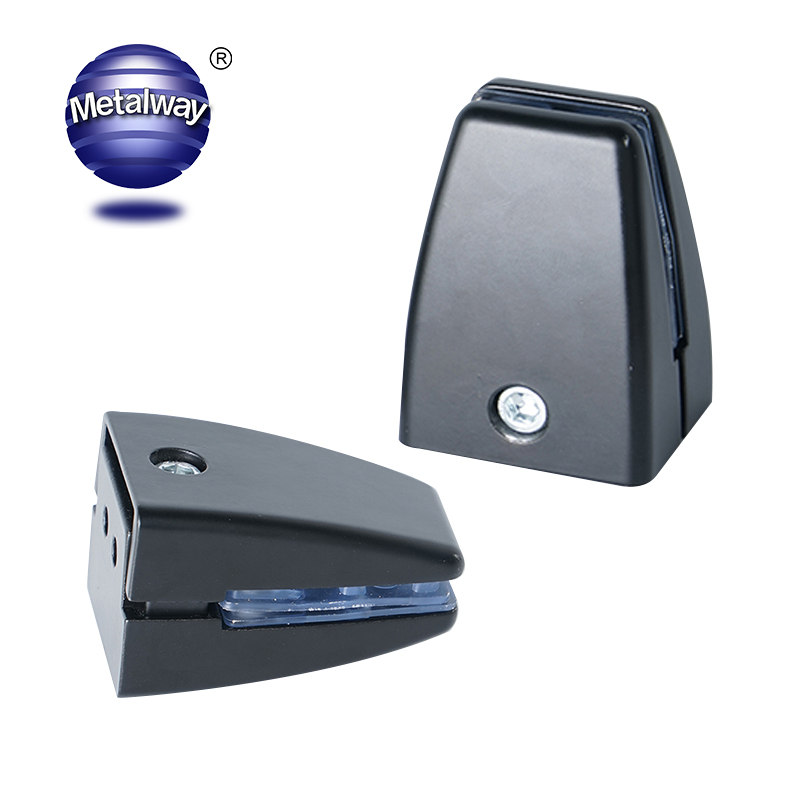
Adjustable Black Aluminum Alloy L-Shaped Desk Panel Fixing Clamp
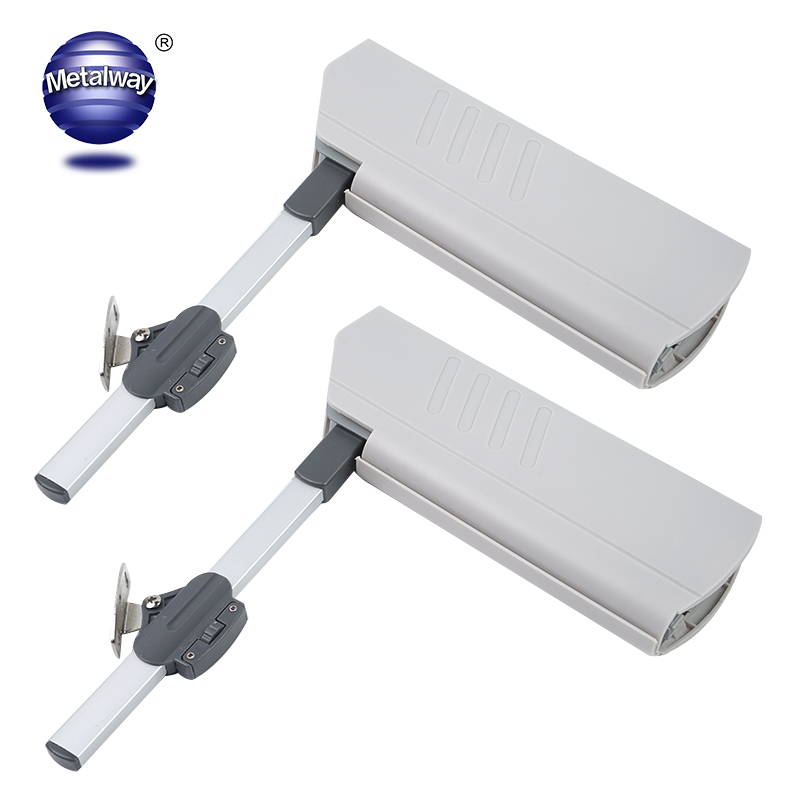
Vertical Swing Lift Up Cabinet Bi-Fold Mechanical Support System
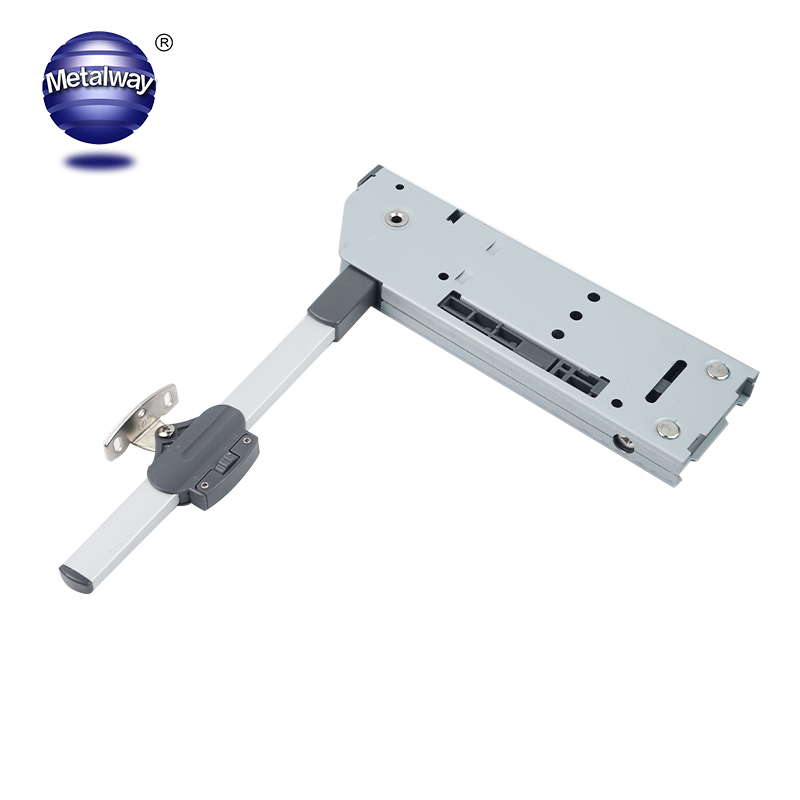
Vertical Swing Bi-Fold Pneumatic Overhead Cabinet Mechanism
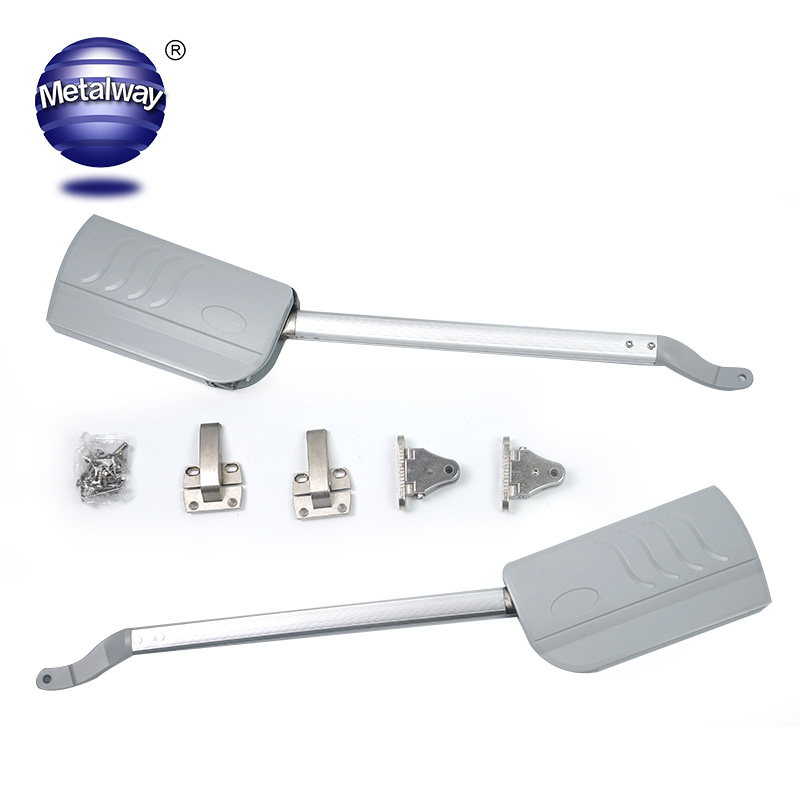
Adjustable Base Free-Stop Soft-Close Hydraulic Zinc Flap Stay
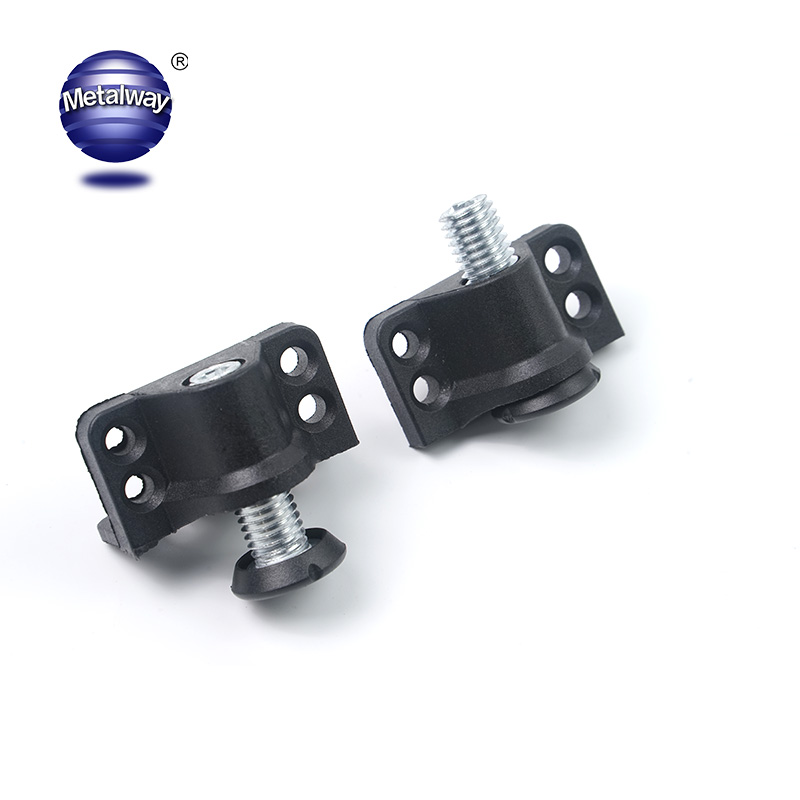
Modern Chrome Iron Heavy-Duty Adjustable Side-Mounted Support Legs
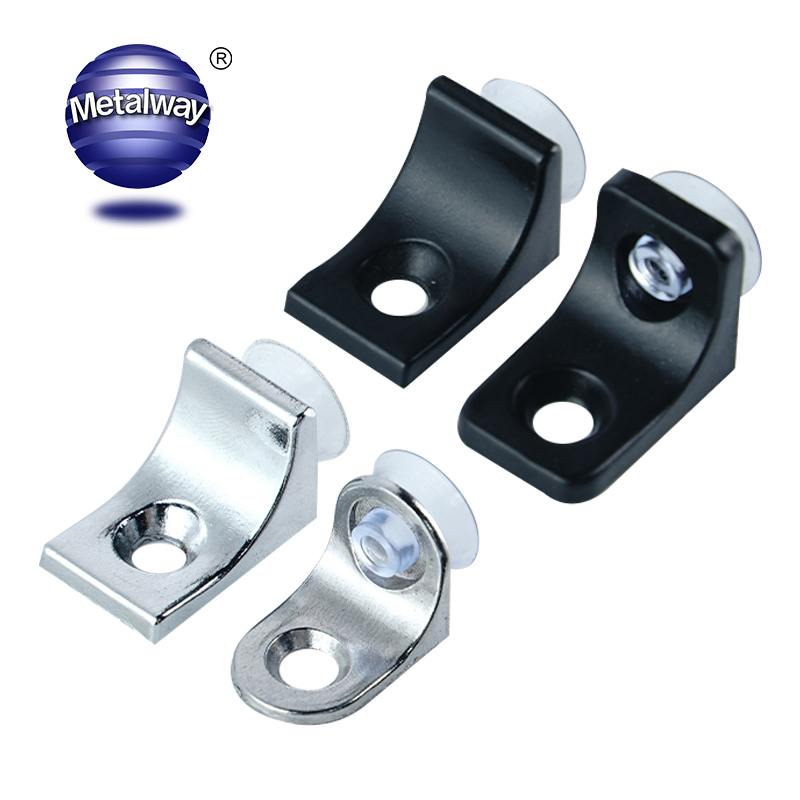
Durable Chrome Plated Zinc Alloy Shelf Support Pegs for Glass
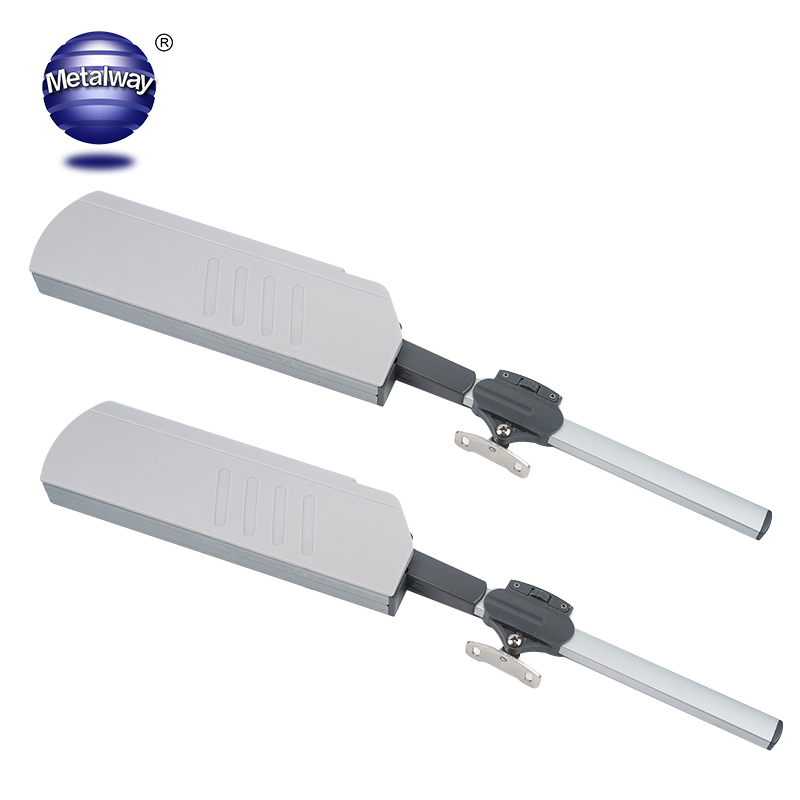
Kitchen Adjustable Hydraulic Soft-Close Downward Strut Stay
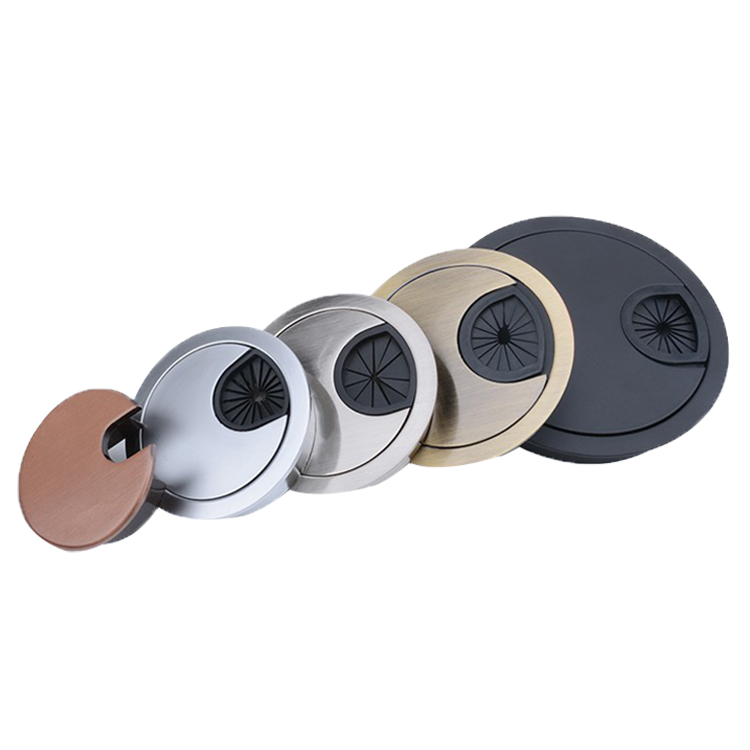
Modern Solid Zinc Alloy 60mm Wire Management Desk Cable Grommet
Engineering Structural Reliability into Modern Glass Clamping Systems
A comprehensive technical evaluation of metallurgical properties, friction-fit compression dynamics, and wind-load resilience for commercial glazing installations.
In modern architectural glazing, commercial facades, frameless balustrades, and minimalist interior partitions, glass clamp holders represent critical load-bearing interfaces rather than purely cosmetic accessories. The mechanical integrity of a frameless glass assembly depends entirely on uniform surface friction, controlled clamping pressure, and ductile resistance against dynamic fatigue. When anchoring monolithic tempered or multi-layered tempered-laminated glass panels, engineering teams must calculate dead loads, live lateral impacts, and negative wind pressures in strict compliance with international structural codes such as ASTM E2358, EN 12600, and AS 1288.
Selecting the appropriate metallurgical substrate is the foundational step in mitigating catastrophic failure. Austenitic stainless steel alloys—predominantly AISI 304 (EN 1.4301) and marine-grade AISI 316 (EN 1.4401)—provide exceptional tensile yield strengths exceeding 205 MPa alongside elongation ratings above 40%, ensuring ductile behavior under extreme vibrational or seismic shock. For high-corrosion marine exposures, coastal balustrades, or chlorinated aquatic facilities, AISI 316 with 2.0%–2.5% molybdenum content prevents pitting and crevice corrosion under persistent chloride exposure. In interior applications, such as executive partition screens and glass cabinetry, high-purity die-cast Zamak-5 zinc alloy and structural 6063-T5 aluminum extrusions deliver geometric precision, superior acoustic isolation, and intricate edge profiles with optimal tensile characteristics.
Equally critical is the elastomeric interface. Direct glass-to-metal contact induces localized stress concentrations that inevitably cause point-load fracturing. High-performance glass clamp systems employ vulcanized EPDM (Ethylene Propylene Diene Monomer) or structural silicone cushioning gaskets with Shore A durometers precisely calibrated between 65 and 75. This durometer threshold provides sufficient compressive resilience to accommodate micro-thermal expansions of annealed float glass while maintaining a high static friction coefficient (μ ≥ 0.55), effectively locking panels in place without excessive bolt torquing.
| Material Substrate | Tensile Strength (MPa) | Corrosion Resistance | Standard Applications | Target Bolt Torque (Nm) |
|---|---|---|---|---|
| Cast SUS316 Stainless Steel | 520 – 680 MPa | Ultra-High (C5-M Marine/Coastal) | External balustrades, coastal facades, pool enclosures | 12.0 – 15.0 Nm |
| Cast SUS304 Stainless Steel | 500 – 650 MPa | High (C3 Commercial Urban) | Interior commercial corridors, stairwells, shower screens | 10.0 – 13.5 Nm |
| Extruded 6063-T5 Aluminum | 185 – 230 MPa | Moderate to High (Anodized 15μm+) | Office desk screen dividers, modular booth screens | 6.0 – 8.5 Nm |
| Die-Cast Zamak-5 Zinc Alloy | 330 – 380 MPa | Controlled (Multi-layer Electroplated) | Retail display shelving, vitrines, bathroom hardware | 5.5 – 7.5 Nm |
Specialized Glass Clamp Typologies: Engineering Recommendations
Selecting structural clamping hardware calibrated for specialized shear dynamics, glass thicknesses, and architectural integration.
D-Type Flat/Radiused Clamps
Engineered for structural posts (flat square or 42.4mm/48.3mm round tube mounting). Accommodates 8mm to 12.76mm tempered monolithic or laminated panels with safety shelf pins for maximum vertical slip prevention.
Heavy-Duty Square Bevel Clamps
Designed for multi-story atrium perimeters and exterior wind barriers. Featuring reinforced base flanges, dual fastening bolts, and countersunk socket cap screws for high-torque lateral shear stabilization.
Glass-to-Glass 90°/180° Couplers
Eliminates structural post requirements in open-concept spaces. Precision CNC milled internal clamping channels seamlessly align adjacent panels, preserving sightlines while resisting perpendicular deflection.
Zero-Drill Acoustic Desk Clamps
Specialized L-shaped and C-shaped architectural desktop dividers. High-rigidity aluminum clamp bodies secure acoustic felt, acrylic shields, or privacy glass onto workstation tops without destructive table drilling.
Future Procurement Trends in the Glass Clamp Hardware Industry (2025–2030)
Anticipating structural regulatory shifts, material circularity benchmarks, and supply chain consolidation across the global fenestration and glazing market.
Stringent Safety Codes
Tier-1 procurement mandates require full certification under upgraded impact and seismic building standards. Non-drilled friction clamps must feature integrated mechanical fall-arrest interlocks to prevent glass slippage over multi-decade cycles.
Single-Partner Consolidation
Importers are shifting away from fragmented trading agents toward direct Foshan manufacturing clusters. Consolidating architectural glass clamps, hinges, struts, and legs in one container slashes landed freight costs and eliminates multi-vendor variance.
Advanced PVD Nanocoatings
Traditional wet paint electroplating is being replaced by environmentally stable Physical Vapor Deposition (PVD). Titanium-nitride PVD coatings in Matte Black, Brushed Brass, and Champagne Bronze provide 1,000+ hour neutral salt spray resistance.
Laminated Glazing Demands
Global acoustic and hurricane building codes have accelerated the transition from monolithic tempered glass to PVB/SGP laminated panels. Clamps must now accommodate expanded thickness ranges (up to 17.52mm and 21.52mm) with dedicated compression gaps.
Emerging Technological Advancements in Structural Glass Fastening
Next-generation engineering: multi-axis alignment calibration, acoustic decoupling, and ultra-thin high-tensile geometry.
Dual-Axis Micro-Adjustment Mechanics
Traditional glass installations suffer from masonry and structural post plumb inaccuracies. Next-generation clamps integrate internal eccentric cams and slotted grub screws, permitting ±3mm lateral and vertical glass panel micro-realignments on-site after anchoring without removing panels.
Vibration Isolation & Acoustic Decoupling
High-frequency structural vibrations in commercial transit hubs and high-rise developments induce fatigue fractures. Modern clamp assemblies utilize multi-density co-molded elastomers that absorb cyclic vibrations, mitigating mechanical noise transmission and panel hum.
High-Pressure Investment Casting
Eliminating blowholes, microscopic inclusions, and porosity is paramount for structural safety. Transitioning from sand casting to automated silica-sol investment casting delivers isotropic metal density, mirror-smooth surfaces, and ultra-tight geometric tolerances within ±0.05mm.
Enterprise Strengths: Foshan EHOME Hardware Co., Ltd.
Situated in the heart of China’s foremost hardware and furniture manufacturing capital, Foshan EHOME Hardware combines 13 years of specialized industrial manufacturing with comprehensive export governance. As a TÜV Rheinland on-site verified manufacturer, we provide direct factory-floor control, rigorous quality assurance, and seamless global logistics for volume B2B importers.
In-House Manufacturing
Integrated cutting, stamping, robotic welding, precision CNC milling, grinding, and automated surface buffing under strict ISO guidelines.
Dual-Tier Inspection
Spectrometric verification of alloy composition upon raw material ingress, followed by 100% pre-shipment dimensional, torque, and finish checks.
Agile OEM/ODM Tooling
Rapid turnaround on custom extrusion dies and casting tooling. Working prototypes engineered from CAD/SolidWorks files in 7–10 business days.
Consolidated Mixed SKUs
Consolidate glass clamps, furniture legs, hydraulic hinges, lift mechanisms, and grommets in a single optimized container shipment.
Frequently Asked Questions: B2B Glass Hardware Procurement
Definitive answers addressing engineering specifications, material compliance, testing protocols, and international supply chain operations.
How do you verify stainless steel grades to prevent counterfeit alloy blending?
Every incoming billet and coil batch undergoes on-site X-ray Fluorescence (XRF) spectrometry testing. We verify chromium (18.0–20.0%), nickel (8.0–10.5%), and molybdenum (2.0–2.5% for SUS316) contents against ASTM A276/A240 standards. Full Mill Test Certificates (MTC EN 10204 3.1) are supplied with all export shipments.
What is the standard manufacturing lead time for customized clamp geometries?
Standard catalog components are dispatched from warehouse buffer inventory within 5 to 7 days. For custom OEM/ODM tooling, mold design and 3D prototyping require approximately 10 to 14 days, followed by sample confirmation. Full production batch runs are typically completed in 25 to 35 business days depending on volume and finishing.
Are glass fabrication holes mandatory, or do friction clamps suffice for high-traffic balustrades?
Friction clamps equipped with high-grade EPDM gaskets provide adequate lateral restraint for low-profile screens and desk partitions. However, for commercial stairwells, exterior guardrails, and public balustrades complying with IBC (International Building Code), we mandate clamps equipped with central steel safety shear pins, requiring pre-drilled glass cutouts to guarantee mechanical fall arrest.
How do you safeguard electroplated and mirror-polished finishes during ocean transit?
To withstand humidity and thermal cycling in multi-week maritime transit, each hardware piece is encased in anti-scratch protective film, nestled in custom high-density molded EPE foam compartments, sealed in individual polybags with moisture-absorbing silica gel desiccants, and packed in reinforced 5-ply corrugated export master cartons on fumigated Euro/US pallets.
What is the recommended fastener torque for commercial glass installations?
For standard M8 stainless steel socket head cap screws engaging 8mm–12mm tempered panels, the recommended torque setting is 10.0 to 12.5 Nm. For smaller M6 screws used in aluminum desk screen clamps, apply 6.0 to 7.5 Nm. Over-tightening beyond 16 Nm risks shearing gasket matrices and generating micro-fracture stress lines across the glass edge.
Can buyers place consolidated purchase orders combining different hardware series?
Yes. As a comprehensive Foshan hardware manufacturing and export group, EHOME allows international buyers to mix SKUs across our catalog—combining glass clamp holders, desk partition clamps, concealed barrel hinges, gas struts, hydraulic lid stays, and zinc furniture legs in a single shipping container to maximize cubic meter utility and reduce import administration.
Initiate Your Glass Hardware Sourcing Project Today
Submit your CAD blueprints, bill of materials, or technical requirements for immediate review by our Foshan engineering and export team.