Precision Cabinet Hardware & Mechanical Integration Lineup
Explore high-retention magnetic hardware, kinematic stays, load-bearing furniture assemblies, and architectural cabinetry mechanisms certified to international export standards.
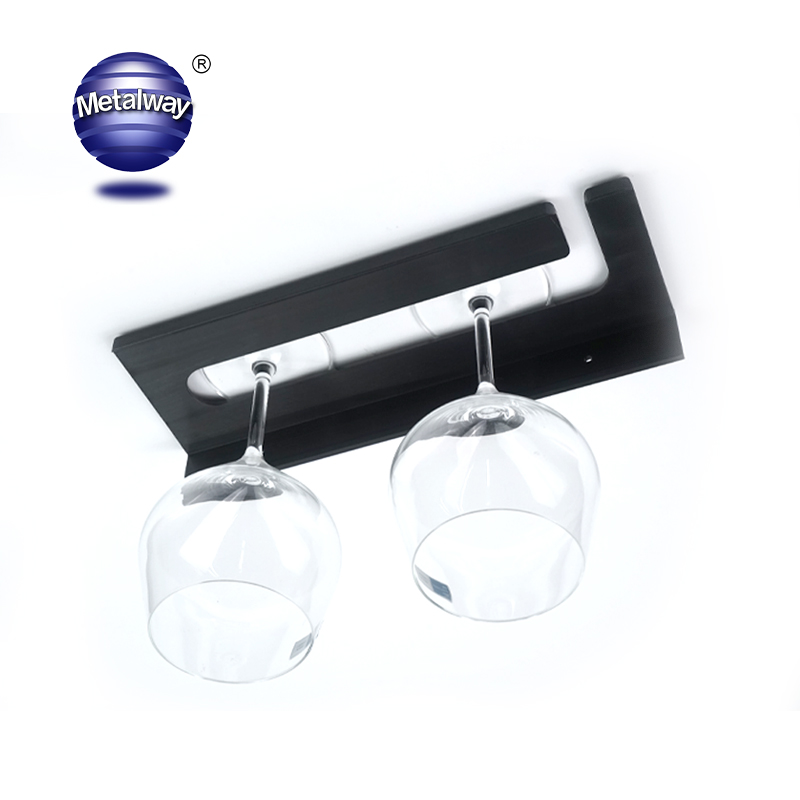
Kitchen Bar Cabinet Shelf Aluminum Wine Glass Storage Rack Organizer Space Saver Easy Wall Mount Modern Design Powder Coated
View Details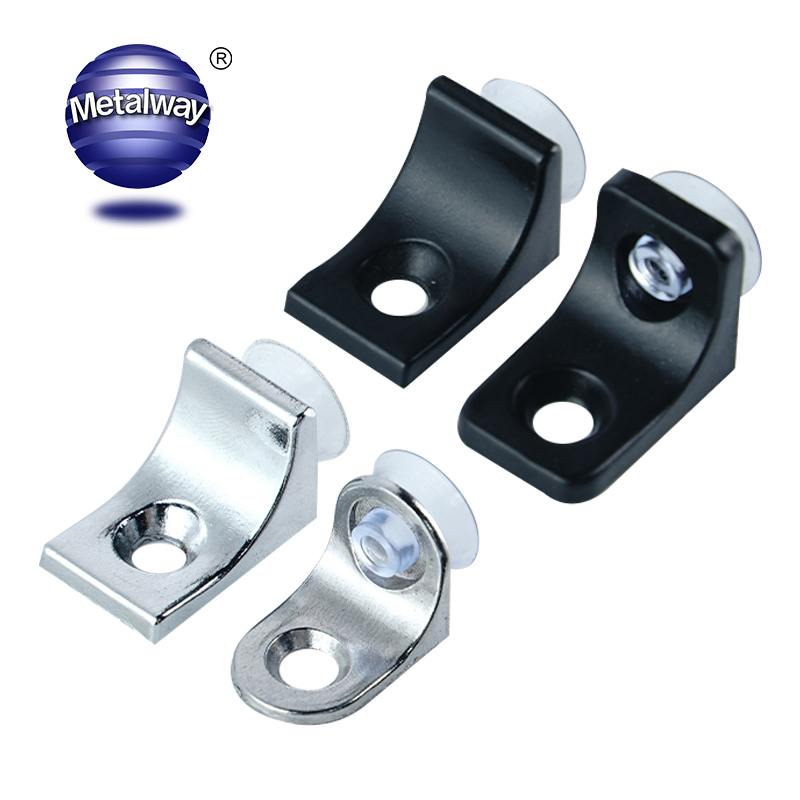
Zinc Alloy Chrome Plating Durable Strong Waterproof Easy Installation Metal Cabinet Shelf Support Pegs for Glass and Wooden
View Details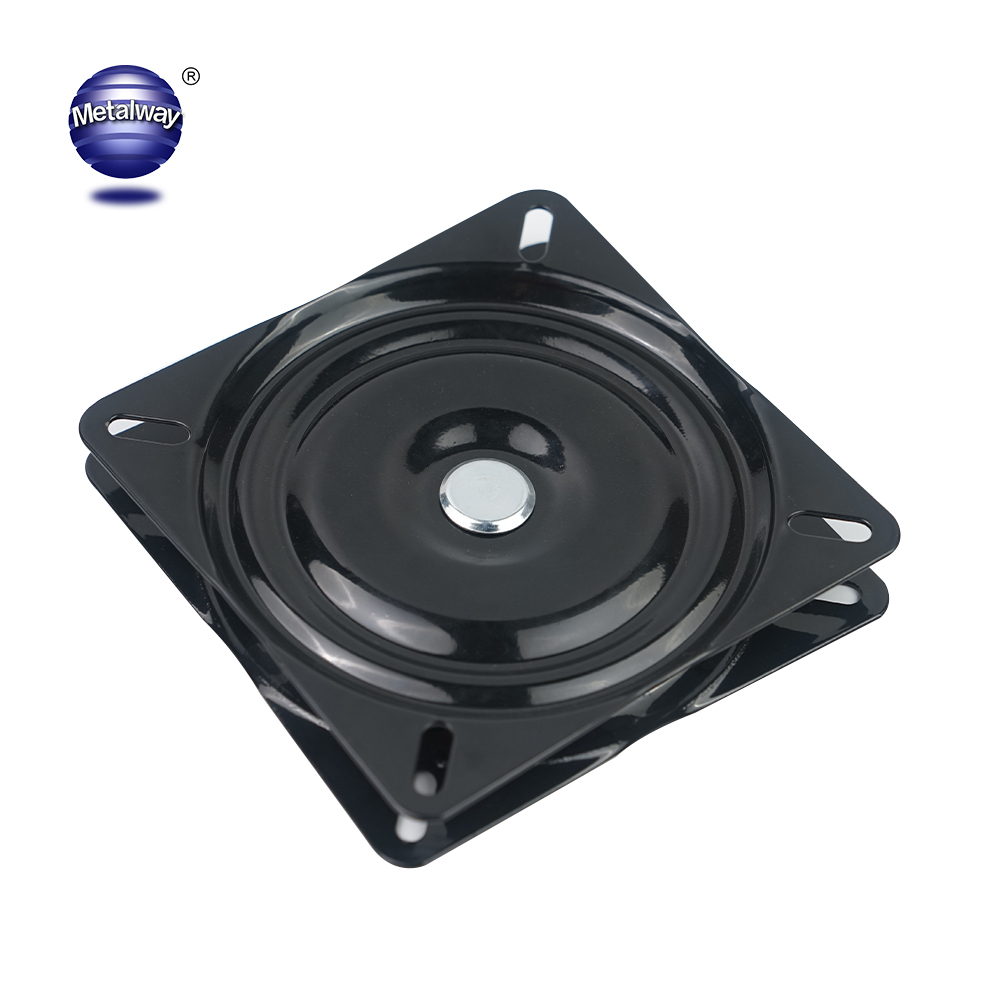
360 Degree Rotating Square Iron Turntable Furniture Hinge Mechanism Stainless Steel Ball Bearing Swivel Plate Living Room Dining
View Details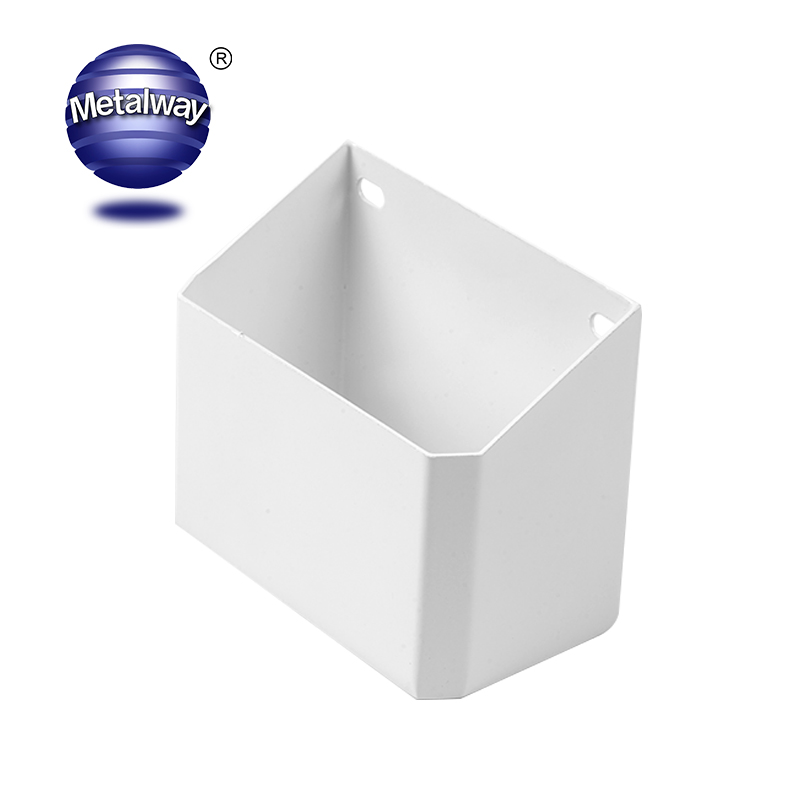
Square Pegboard Parts Boxes Heavy Duty Metal Hooks Kitchen Bathroom Wall Mount Storage-Space-Saving Modern Powder Coated Tools
View Details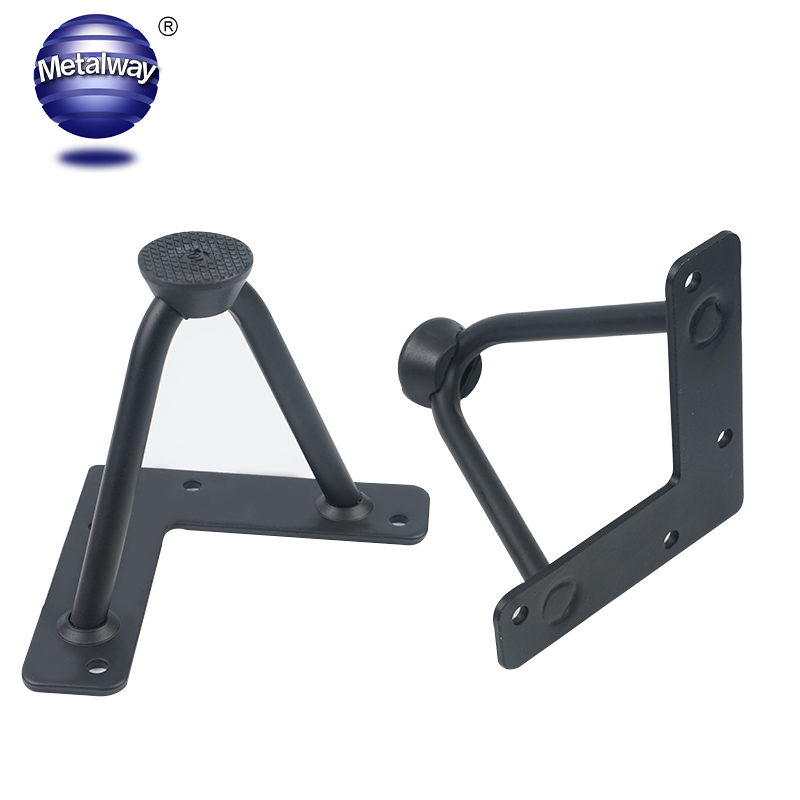
furniture leg metal table customized hairpin leg
View Details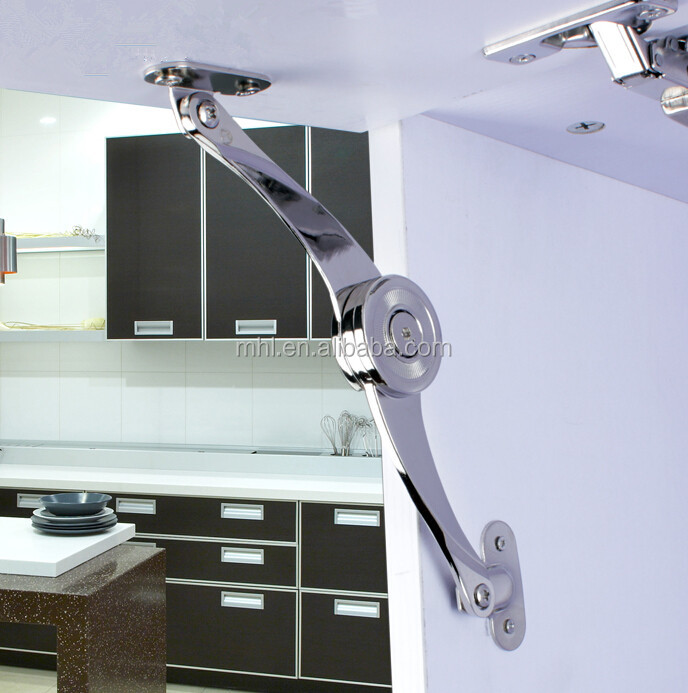
Metalway Flap Stay Free Stop Cabinet Support Doors Zinc Alloy Contemporary Design Kitchen Living Room Furniture Hardware Model
View Details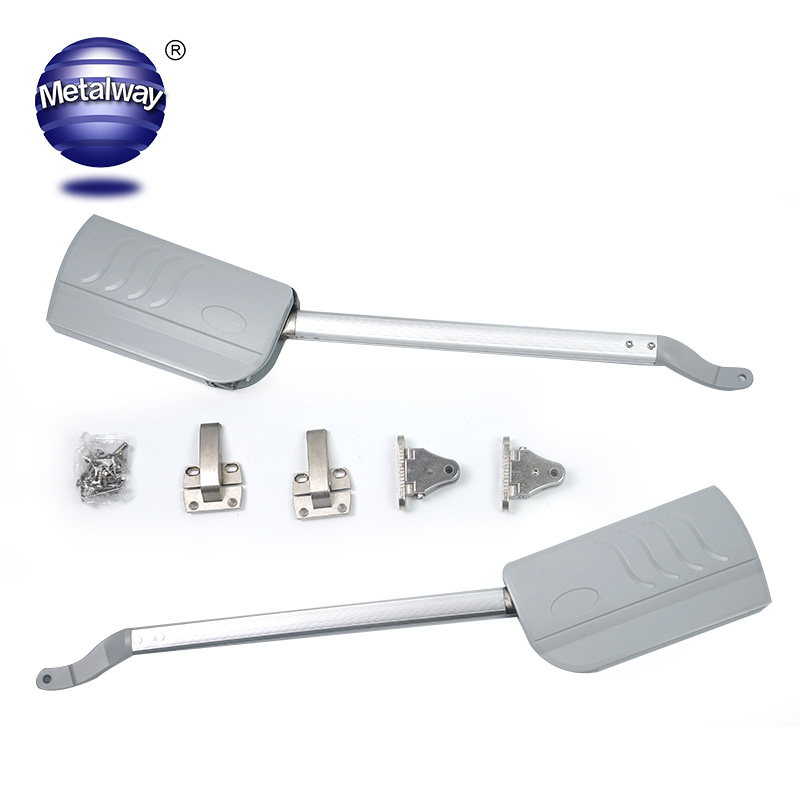
Adjustable Base Free Stop Lift System Furniture Hardware Fitting Cabinet Support Soft Close Hydraulic Zinc Alloy Kitchen Door
View Details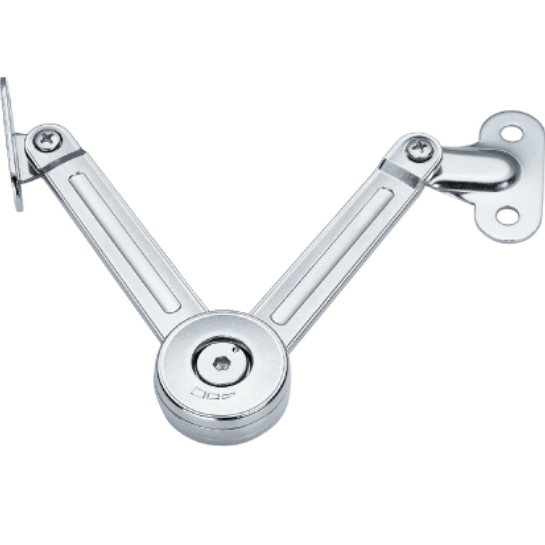
Zinc Alloy Kitchen Flap Door Hydraulic Soft Close Door Cabinet Shelf Cabinet Support Metal Lid Stay
View DetailsOperational Scale & Production Parameters
Direct from our manufacturing hubs in Foshan, Guangdong: industrial-grade automation backed by verified quality systems and documented international supply operations.
Dual-Checkpoint QC
Every lot undergoes spectrographic incoming material verification alongside mechanical pull-force, cycle-life, and salt-spray corrosion assessments before boxing.
In-House Tooling & Mold
Equipped with progressive stamping, automated cold-heading, precision CNC lathes, and zinc die-casting equipment for rapid custom tooling iterations.
Consolidated B2B Orders
Eliminate logistical fragmentation. Consolidate cabinet catches, hinges, flap stays, and architectural legs into singular, containerized shipments directly from Foshan.
Full OEM/ODM Engineering
From dimensional adjustments, Gauss rating calibration, and dampening profiles to custom retail-ready barcodes and laser marking for global distributors.
Industrial Technical Whitepaper: Advanced Magnetic Retention Systems
In high-throughput architectural cabinetry and millwork manufacturing, cabinet closure reliability relies on consistent magnetic flux containment and mechanical damping. While mechanical roller catches suffer from friction fatigue, spring degradation, and alignment shifting over thermal cycles, magnetic cabinet catches provide frictionless, wear-free engagement. Engineering a high-performance magnetic latching unit requires careful balance between sintered Neodymium-Iron-Boron (NdFeB) grades, pole piece metallurgy, self-aligning strike plates, and casing hermeticity.
Top China magnetic cabinet catch factories use automated encapsulation methods to prevent atmospheric moisture ingress. Without proper electroplating (such as Ni-Cu-Ni multi-layer coatings or polymer shielding), NdFeB alloys can oxidize and experience permanent flux loss in humid or marine environments. Modern commercial cabinetry demands magnetic catches that handle structural settling, vibration, and thermal expansion while delivering a secure, silent, and premium tactile feel.
| Latching Category | Kinematic Retention Mechanism | Cycle-Life Rating | Environmental Resistance | Primary Industry Applications |
|---|---|---|---|---|
| NdFeB Heavy-Duty Catch | Rare-Earth Permanent Magnet (Sintered N35–N52) | > 250,000 Cycles | High (Ni-Cu-Ni / SUS304 Shell) | Luxury Kitchens, Marine RVs, Architectural Millwork |
| Ferrite Standard Catch | Strontium/Barium Oxide Ceramic Magnetic Core | > 100,000 Cycles | High (Inherent Corrosion Resistance) | High-Volume Modular Flatpack Furniture, Utility Units |
| Push-to-Open Magnetic Plunger | Dual-Action Spring Assisted with Neodymium Tip | > 80,000 Cycles | Moderate (ABS / POM Internal Piston) | Handleless Minimalist Cabinetry, J-Pull Millwork |
| Adjustable Floating Strike Catch | Encapsulated Magnet with Self-Leveling Counterplate | > 200,000 Cycles | High (Die-Cast Zinc / Stainless Housing) | Heavy Timber Doors, Warpage-Prone Flush Inset Doors |
Achieving stable holding forces between 3 kg and 15 kg requires precise pole piece alignment. Dual-pole steel counter-plates channel magnetic flux into a closed circuit upon contact, substantially boosting retention without needing oversized rare-earth cores. Industrial designers must assess dynamic pull force, shear resistance, and strike plate flexibility to choose the right magnetic hardware for their applications.
Future Procurement Trends in Cabinet Closures
How automation, smart hardware integration, and shifting architectural styles are redefining hardware manufacturing in China's industrial supply corridors.
Push-to-Open & Invisible Integration
Global demand continues to shift toward handleless, uncluttered architectural planes. Concealed, mortised magnetic catches and flush push plungers are replacing surface-mounted hardware, demanding tighter manufacturing tolerances and integrated spring dampening.
Multi-Material Corrosion Protection
Procurement teams increasingly require hardware that excels in humid, coastal, and chemical environments. The market is shifting from plain steel and standard nickel plating to passivated SUS304 stainless steel housings, high-density PVD coatings, and fluoropolymer barrier treatments.
Hybrid Hydraulic-Magnetic Mechanisms
Next-generation furniture features hybrid systems that merge hydraulic soft-close damping with end-stroke magnetic latching. This combination eliminates door bounce-back, preserves silent closure, and ensures flush alignment on high-cycle kitchen cabinetry.
Frequently Asked Questions (FAQ)
Essential guidance for purchasing managers, hardware engineers, and international importers sourcing magnetic catches and structural furniture hardware directly from China.
What magnetic materials are primarily used in high-volume cabinet catch manufacturing?
Leading Chinese hardware factories rely mainly on two magnetic materials: sintered Neodymium-Iron-Boron (NdFeB) and Strontium Ferrite. NdFeB magnets offer higher energy density, providing 3 kg to over 15 kg of pull force in compact, low-profile designs. For budget-focused modular cabinetry where envelope dimensions are less critical, ceramic ferrite cores remain a dependable, corrosion-proof, and economical alternative.
How do you test and prevent demagnetization over extended cycle lifetimes?
Quality manufacturing includes strict heat-exposure and accelerated aging protocols. Our NdFeB units use grades rated for operating temperatures up to 80°C–120°C (standard N-grade or M-grade), avoiding thermal demagnetization in unconditioned cargo containers or high-heat kitchen zones. Magnetic flux retention is confirmed via Gauss-meter mapping and automated life-cycle impact rigs tested past 100,000 cycles with under 2% magnetic degradation.
What surface finishes provide the best protection against corrosion for maritime and coastal export?
For high-humidity, marine, or coastal installations, we recommend electro-deposited multi-layer nickel-copper-nickel (minimum 12–15 µm) or zinc phosphate base coats paired with powder-coat finishes. Enclosing magnetic cores in SUS304 stainless steel housings provides superior protection against salt fog corrosion, passing 48 to 96-hour ASTM B117 neutral salt spray evaluations without red rust formation.
Can you provide custom magnetic pull strengths, dimensions, and customized packaging?
Yes. Custom engineering is a core part of our business. We tailor magnetic circuit layouts, modify mounting brackets, match specific RAL powder coating shades, and adjust release spring tensions for push-to-open variants. In addition, we deliver turnkey OEM private-label packaging—including multi-language retail blister cards, master cartons with customized barcodes, and bulk industrial packaging tailored to automated assembly lines.
What are your standard minimum order quantities (MOQ) and production lead times?
For standard stocked hardware lines, minimum order quantities can start as low as 100 to 500 units, while specialized stamping runs, custom finishes, or bespoke tooling generally require 2,000 to 5,000 units. Prototyping and tooling samples typically ship within 7 to 10 working days; full container-load manufacturing spans 20 to 35 calendar days depending on surface finishing processes and order complexity.
Connect Directly with Our Engineering & Sourcing Team
Accelerate your hardware procurement with custom pull-force engineering, rapid 3D prototyping, and factory-direct pricing backed by TÜV Rheinland verification.
Get a Quote