China Wholesale Cabinet Door Latches Manufacturer & Factories
Precision-Engineered Cabinet Catches, Push-to-Open Hardware, Hydraulic Flap Stays, and Heavy-Duty Structural Fasteners for Global Architectural & Furniture Brands
13+
Years Hardware Experience
400K
Monthly Unit Capacity
100%
Dual-Stage QC Verified
TÜV✓
On-Site Verified Supplier
Direct-From-Factory Series
Featured Cabinet Door Latches & Architectural Hardware
Engineered for high-frequency domestic, commercial, and hospitality environments. Rigorously cycle-tested, anti-corrosive, and ready for OEM custom configurations.
Engineering Excellence in Wholesale Cabinet Door Latches & Retention Hardware
A comprehensive B2B analysis covering metallurgical integrity, retention physics, mechanical tolerances, and multi-tier global compliance standards for commercial buyers.
In modern millwork, architectural joinery, and industrialized cabinetry manufacturing, cabinet door latches represent the critical mechanical interface between user interaction and functional longevity. While outward aesthetics such as surface finishes define early consumer appeal, the mechanical retention force, kinetic damping resilience, and metallurgical fatigue resistance of cabinet latches govern warranty liability, post-installation service costs, and perceived brand caliber. Sourcing direct from vetted Chinese manufacturing clusters—specifically within Guangdong's specialized Pearl River Delta production ecosystem—empowers global procurement officers to achieve stringent dimensional tolerances while maintaining competitive landed cost advantages.
Key Engineering Fact for Sourcing Directors: Mechanical latches deployed in commercial hospitality, high-end residential millwork, and luxury marine cabinetry are subject to differing cyclic stress dynamics. While residential standard ANSI/BHMA A156.9 Grade 2 mandates 25,000 continuous operation cycles, commercial and marine-grade installations demand Grade 1 compliance (50,000 to 100,000 cycles) with continuous exposure to salt-laden, high-humidity atmospheres necessitating austenitic 304 or 316 stainless steel alloy compositions.
Specifying the optimal cabinet door latch mechanism requires a thorough understanding of the kinematic physics governing closure, retention, and release. Modern cabinet latch manufacturing spans several dominant mechanical topologies:
Magnetic Touch & Push-to-Open Latches: Engineered for handle-less, minimalist cabinetry. These systems incorporate an internal spring-loaded plunger coupled with a neodymium (NdFeB) or anisotropic ferrite permanent magnet. Upon depression, an internal cardioid cam or dual-track mechanical toggle trips, propelling the door outward by 15mm to 45mm to facilitate ergonomic manual access. Holding forces range systematically from 1.2 kgf (light decorative doors) to 4.5 kgf (heavy wardrobe facades).
Mechanical Roller & Ball Catch Latches: Predominantly constructed using dual brass or stainless steel spring-loaded spheres that seat within a contoured strike plate. These are heavily favored in architectural millwork and hotel vanity installations where positive, acoustic tactile feedback is required without the magnetic pull resistance that can fatigue elderly users or children.
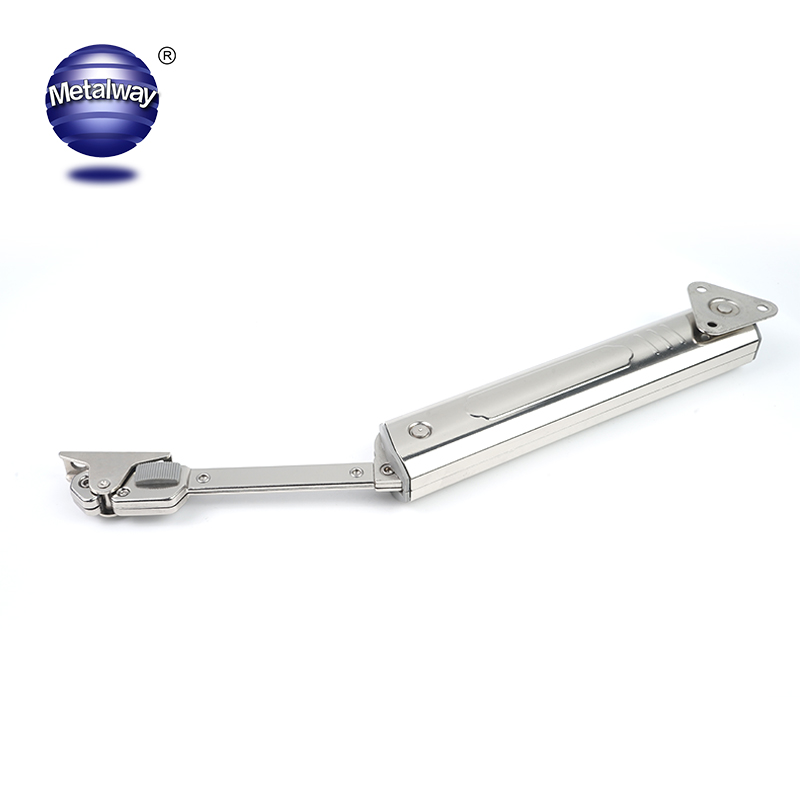
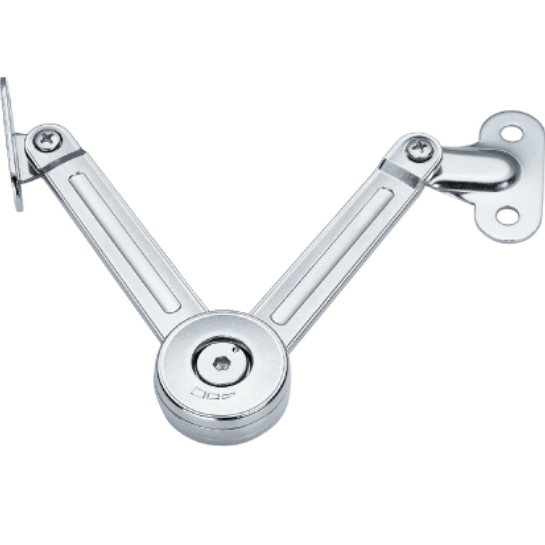
Pneumatic & Hydraulic Flap Stay Latches: Critical for overhead vertical-lift, bi-fold, and parallel-opening flaps. By pairing hydraulic soft-close damping with adjustable gas-assisted spring cylinders, these assemblies eliminate dangerous door drop while enabling variable stopping positions between 45° and 105° of rotational travel.
Heavy-Duty Slam Latches & Compression Catches: Engineered for marine galleys, RV cabinetry, and transit casework subject to continuous multi-axis vibration and G-forces. When shut, the pawl mechanism exerts 2mm to 4mm of axial compression against an elastomeric perimeter seal, dampening noise and preventing accidental drawer or door blowout.
A primary failure mode in imported furniture hardware is galvanic corrosion or structural embrittlement resulting from sub-par metal stock. Leading Chinese manufacturers like Foshan EHOME Hardware utilize rigorous spectrometer chemical verification to guarantee raw material purity:
Austenitic Stainless Steel (SUS304 vs. SUS316): With 18% chromium and 8% nickel, SUS304 represents the industry standard for kitchen cabinetry, wet-room vanities, and institutional medical casework. For coastal residential complexes, yacht fit-outs, and commercial pool storage lockers, molybdenum-stabilized SUS316 is mandated to counter localized pitting caused by airborne chlorides. Our stamping and precision CNC lathe lines maintain strict trace element control to prevent micro-fissuring during deep-draw forming operations.
Die-Cast Zinc Alloy (Zamak 3 / Zamak 5): Zinc die-casting enables intricate internal cam profiles, self-lubricating pin channels, and robust housing walls. EHOME ensures that Zamak 3 alloys adhere strictly to EN 12844 limits, with lead (Pb), cadmium (Cd), and tin (Sn) levels held below 0.005% to completely avert intercrystalline corrosion (zinc pest), a common defect observed in discount hardware suppliers.
Latch / Catch Category
Core Structural Material
Kinematic Retention Force
Certified Cycle Life
Standard Surface Treatment
Primary Target Architecture
Hydraulic Flap Lift Stay
SUS304 Stainless / Zamak 5 Alloy
Adjustable 80N – 180N Torque
60,000 Cycles (DIN EN 15570)
Vapor Satin Brushed / Multi-layer Chrome
Overhead Kitchen Cabinets, Office Credenzas
Push-to-Open Magnetic Latch
Virgin ABS + NdFeB Core + SUS Strike
1.8 kgf – 4.2 kgf Magnetic Pull
100,000 Depressions
Matte Anthracite / Pure White / Satin Metallic
Handleless Modern Wardrobes, Minimalist Joinery
Double Ball Roller Catch
Solid Extruded H59 Brass / SUS304
Dual Spring Preload (5N to 25N)
80,000 Cycles (ANSI/BHMA A156.9)
Electrophoretic Brass / PVD Matt Black
Bespoke Architectural Millwork, Luxury Hotel Vanities
Compression Slam Latch
High-Tensile Die-Cast Zinc Alloy
350N Static Holding Tensile
50,000 Cycles (G-Force Rated)
Heavy-Duty Thermoset Epoxy Powder Coating
Marine Galleys, Mobile RVs, Specialized Medical Carts
Future Purchasing & Technological Trends in Cabinet Hardware
How automation, acoustic ergonomics, and supply-chain nearshoring strategies are reshaping global B2B cabinet latch procurement specifications.
1. Concealed Hardware & Phantom Mechanics
Architectural minimalism is driving an industry shift toward fully mortised, invisible cabinet catches. Designers demand hardware that resides within 12mm to 16mm CNC router routings inside carcass walls, leaving zero visible mechanical components on cabinet exteriors while preserving silent, fluid latching motion.
2. Psychoacoustic Engineering & Decibel Control
Global furniture brands are elevating cabinet operation from a purely physical task to an acoustic sensory experience. Modern B2B procurement specifications mandate operating noise thresholds below 38 dBA, achieved via integrated liquid-silicone dampeners, micro-elastomeric stop pads, and dual-speed deceleration valves.
3. Carbon Accounting & Circular Metallurgy
With the European Union CBAM (Carbon Border Adjustment Mechanism) and global ESG audits escalating, Tier-1 buyers require life-cycle environmental product declarations (EPDs). Leading Chinese factories are adopting closed-loop zinc reclamation and hexavalent-chromium-free trivalent electroplating processes.
4. High-Yield Factory Automation & Rapid Tooling
Progressive die stamping and automated assembly cells have shortened new-product tooling lead times from 60 days to 18–25 days. Importers can now prototype customized latch retention geometries, laser-engraved logos, and bespoke spring constants with lower initial investment thresholds.
5. Anti-Microbial & Medical-Grade PVD Finishes
Hospitality, senior living casework, and healthcare laboratories are demanding Physical Vapor Deposition (PVD) titanium finishes infused with ionic copper or silver nanoparticles. These coatings deliver extraordinary scratch hardness (over 2500 Vickers) while neutralizing surface pathogens.
6. SKU Consolidation & Multi-Series Order Bundling
Rather than managing distinct vendors for cabinet latches, sofa legs, flap hinges, and shelf brackets, multinational distributors are standardizing on full-spectrum Foshan supply partners capable of consolidating mixed-SKU containerized shipments under a single bill of lading.
Headquartered in Foshan, Guangdong—the epicenter of global furniture and metal processing—EHOME operates 2,000㎡ of specialized workshop space with TÜV Rheinland verified manufacturing standards.
TÜV Rheinland Verified
On-site evaluated technical facilities, verifying our production machinery, testing rigs, and international trade governance capabilities.
Full OEM/ODM Tooling
In-house 3D CAD/CAM tooling, sample preparation within 7 business days, custom latch strike geometry, and tailored spring load tuning.
Dual-Stage Quality Control
Rigorous spectral incoming raw material analysis paired with 100% final inspection for tensile pull, spring stroke, and packaging integrity.
10+ Years Export Experience
Export documentation, palletized multi-SKU freight consolidation, compliant barcodes, and retail-ready color packaging for 50+ countries.
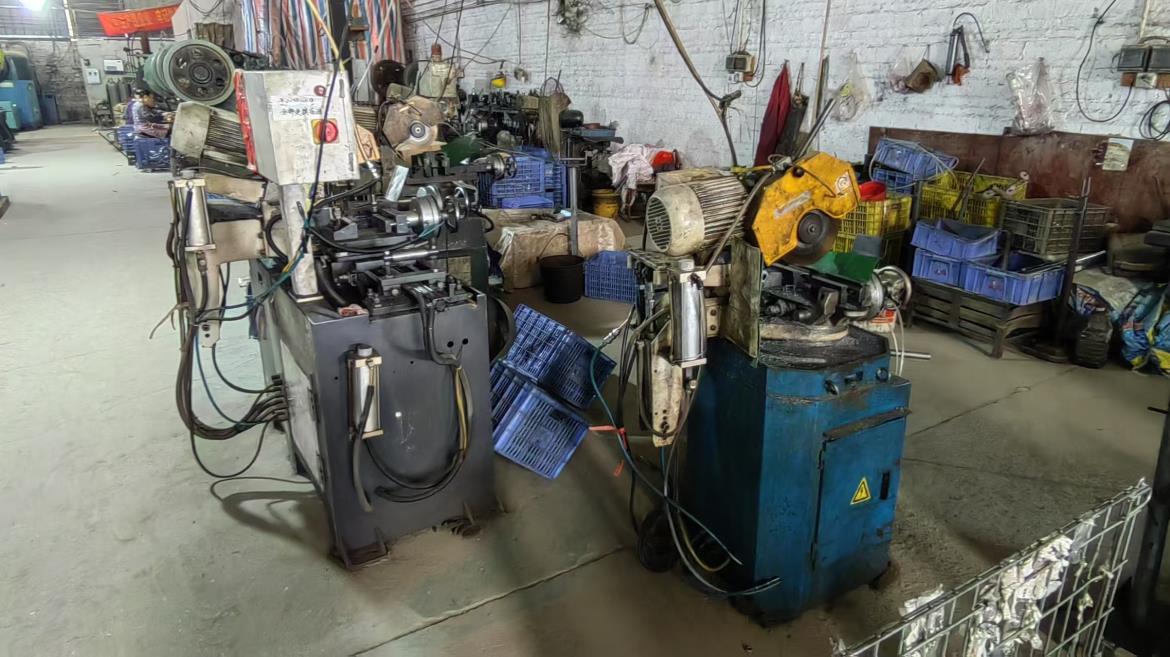
Automatic high-speed cutoff lines for stainless bar stock and seamless profiles.
Step 02
Progressive Stamping
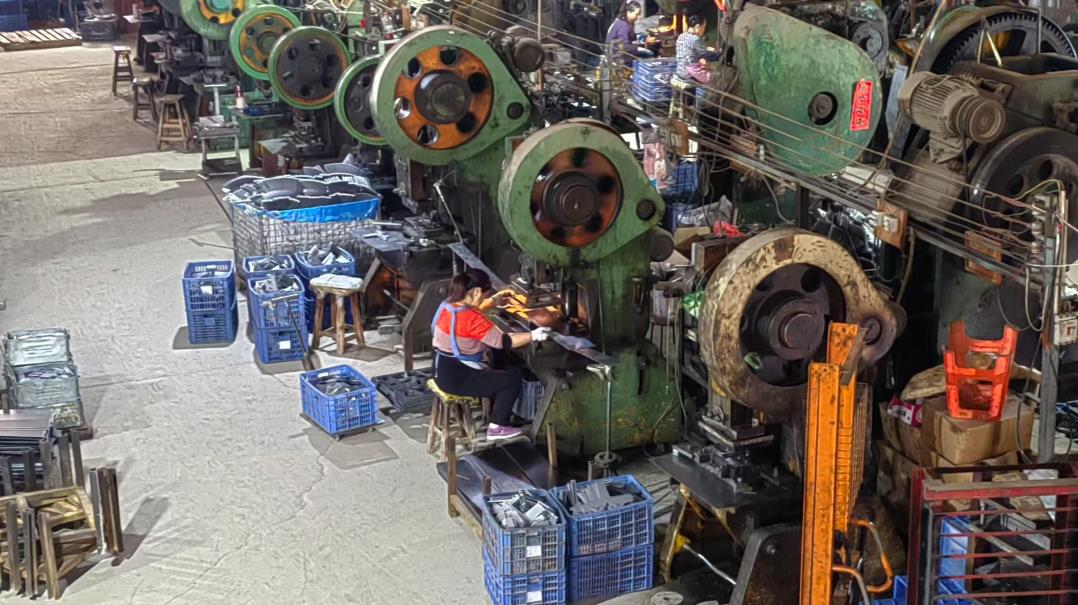
High-tonnage stamping presses forming precision latch brackets and strikes.
Step 03
Robotic Welding
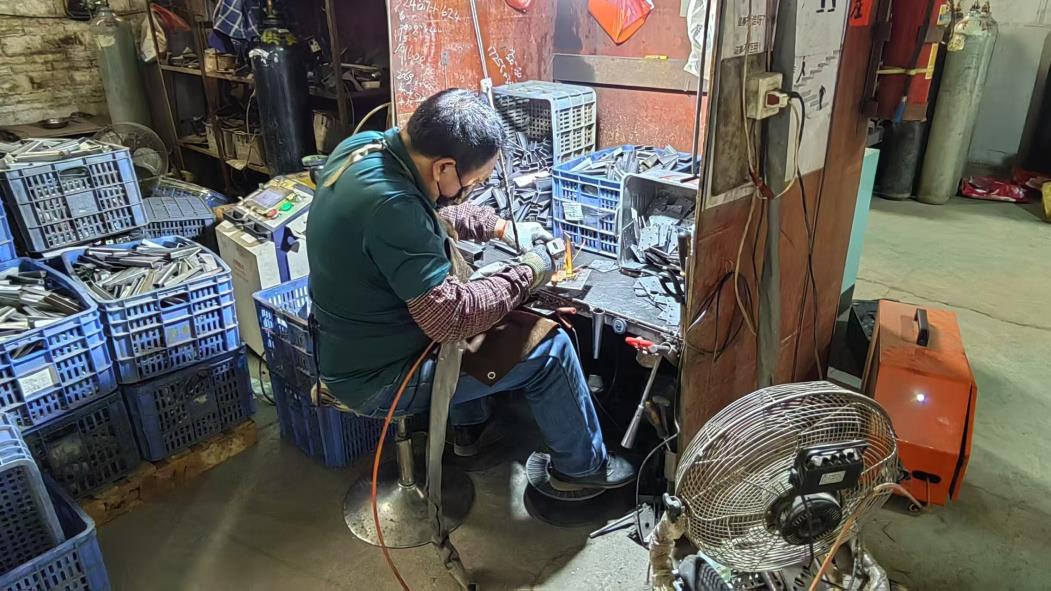
Solid-joint TIG/MIG welding delivering structural load support on brackets and legs.
Step 04
Surface Polishing
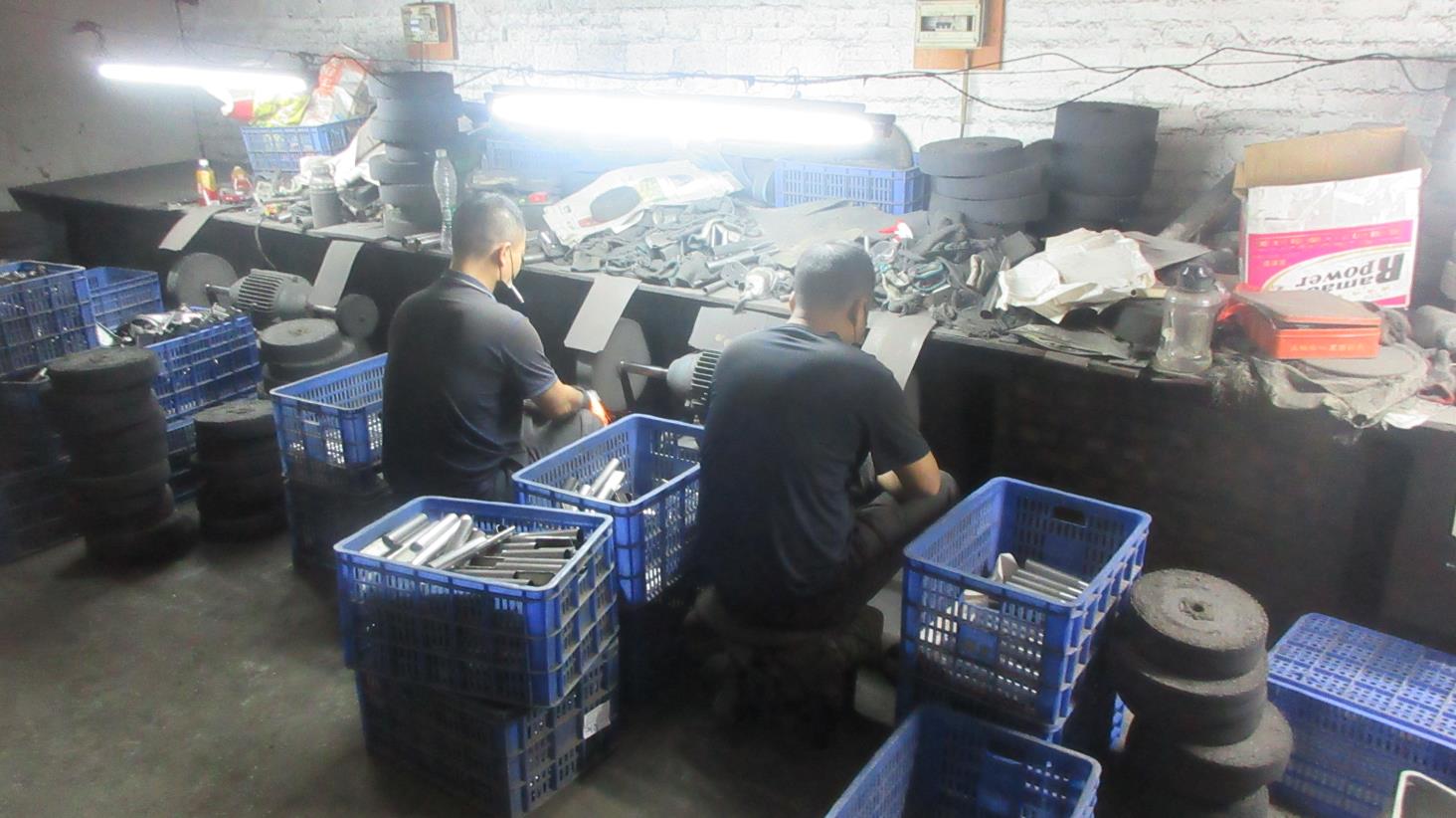
Multi-stage mirror finishing and satin brushing prior to electroplating or PVD.
Step 05
Bench Assembly & QC
Functional cycle testing, torque verification, and protective export packing.
B2B Buyer Knowledge Base
Frequently Asked Questions on Cabinet Latches Sourcing
Direct answers from our engineering desk covering MOQs, custom tooling, salt spray durability, and logistical workflows.
What is the standard Minimum Order Quantity (MOQ) for cabinet latches?
For standard stocked models (such as conventional magnetic push latches or ball catches), MOQs start from 500 to 1,000 pieces. For custom OEM finishes (PVD brass, gunmetal) or bespoke mounting hole spacings, MOQs typically range between 2,000 and 5,000 pieces. Mixed-SKU orders consolidating hinges, shelf pegs, and sofa legs into a single container are fully supported.
Can you manufacture custom latch geometries according to client CAD drawings?
Yes. EHOME offers comprehensive ODM and sample-based customization. We accept 3D files in STEP, IGES, or DWG formats. Our tooling shop can fabricate prototype progressive stamping dies and injection molds within 15 to 25 days, with pre-production approval samples dispatched via air express.
How do you evaluate and guarantee anti-corrosion surface performance?
All electroplated and coated cabinet door latches undergo standardized neutral salt spray (NSS) testing per ASTM B117 / ISO 9227. Standard indoor hardware passes 48 to 72 hours without red rust, while our marine and bathroom-grade SUS304 / SUS316 hardware is certified for 120 to 240+ hours NSS exposure.
Which latch mechanism is best suited for handle-less kitchen cabinets?
For handle-less installations, heavy-duty push-to-open magnetic latches featuring extended 35mm–45mm ejection plungers are recommended. These provide sufficient clearance to allow your fingers to grasp thick doors even when fitted with high-rebound European concealed hinges.
What are your production lead times and FOB shipping port arrangements?
Standard lead times for mass production are 20 to 35 calendar days following deposit and sample confirmation. Being based in Foshan, we ship primarily through Shenzhen (Yantian/Shekou) or Guangzhou (Nansha) ports, offering seamless multi-modal logistics across global shipping lines.
How do you safeguard against latch spring degradation and fatigue?
We source our internal compression and torsion springs exclusively from ISO-certified spring wire suppliers utilizing high-tensile SWP-B music wire or SUS302 stainless steel. Each spring batch undergoes dynamic cyclic fatigue screening to verify zero permanent set after 50,000 compressions.
Ready to Optimize Your Hardware Supply Chain?
Whether you require standard ANSI/BHMA-compliant cabinet door catches, bespoke OEM hydraulic lift stays, or consolidated furniture hardware containers, Foshan EHOME Hardware delivers factory-direct precision and verified reliability.