Featured OEM Architectural & Interior Mechanical Systems
Explore our precision-manufactured hardware inventory engineered for heavy commercial loads, marine corrosive environments, and modular interior architectural fit-outs. Complete CAD/BIM models and mill test certificates (MTC) available upon request.
Heavy-Duty
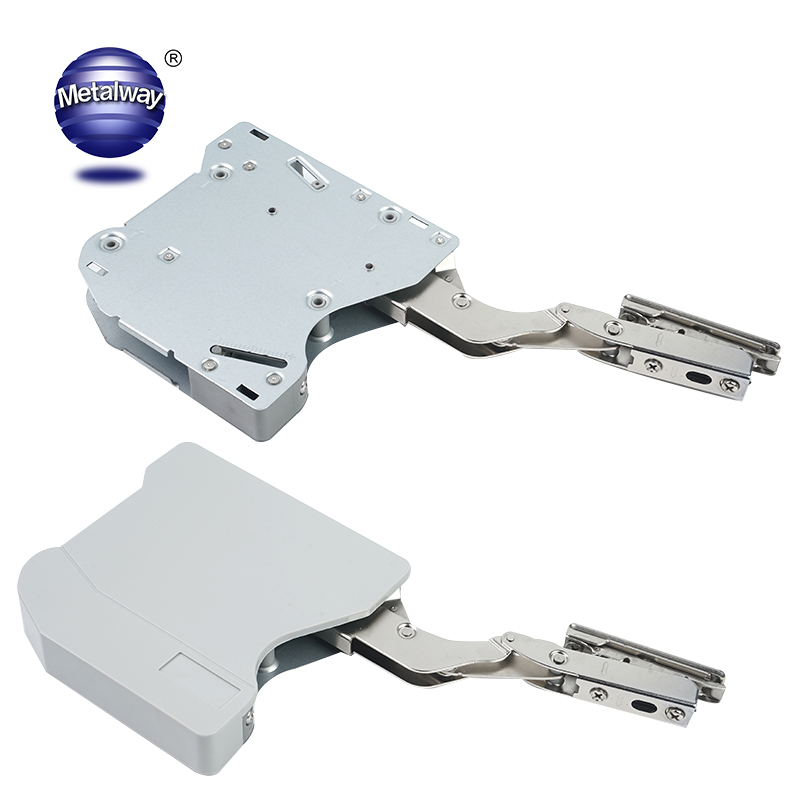
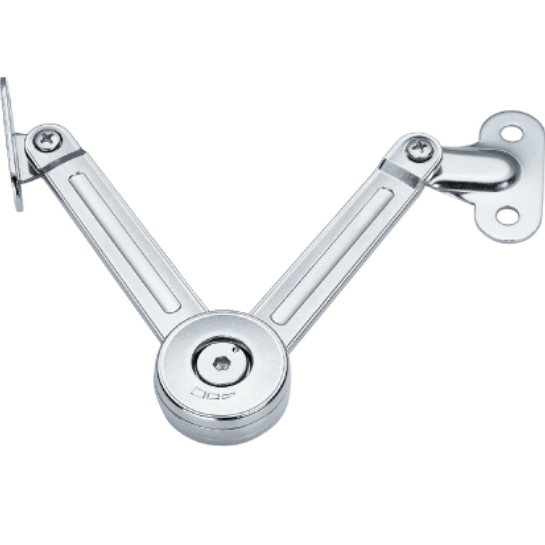
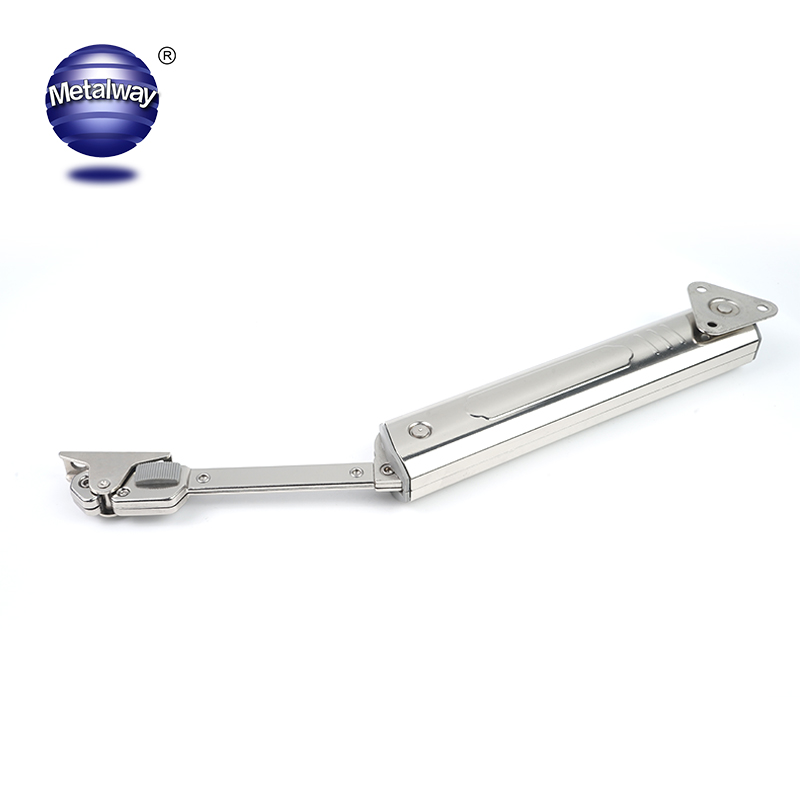
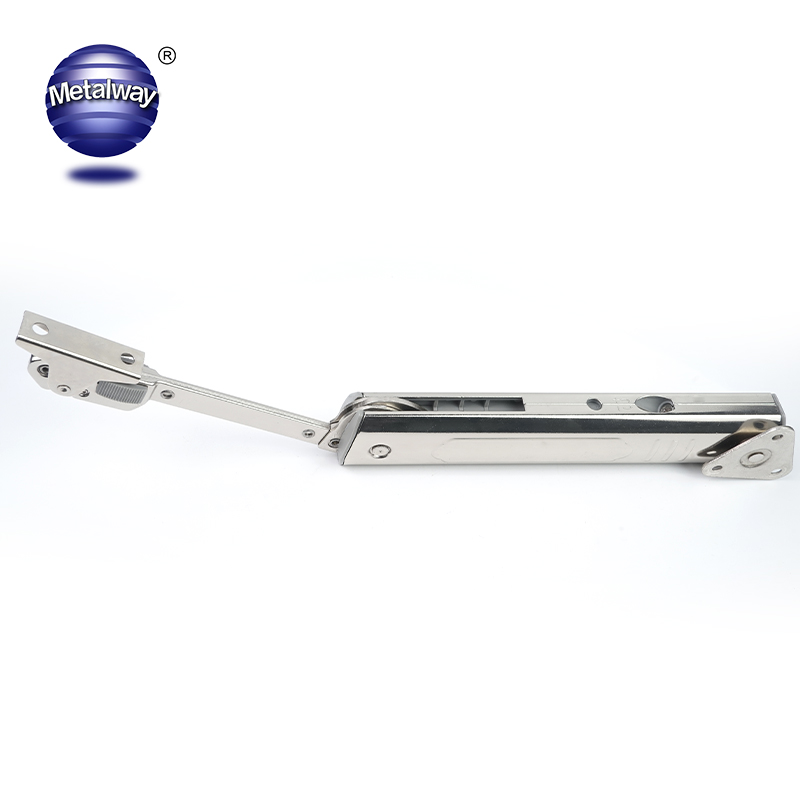
Kitchen Heavy Duty Hydraulic Lid Stay Arm Cabinet Support Flap Stay for Furniture
Material Science: Selecting Stainless Steel Grades for Structural Integrity
Structural architectural railing systems and glass balustrades operate under severe dynamic loads, thermal cycling, and aggressive chemical exposure. Selecting the appropriate stainless steel alloy and forming methodology is the primary determinant of long-term project safety and lifecycle return on investment (ROI).
AISI 304 Austenitic Stainless Steel
Composed of 18% Chromium and 8% Nickel, Grade 304 remains the premier choice for internal balustrades, commercial stair railings, and climate-controlled architectural spaces. Providing an optimal balance of ductility, tensile strength (515 MPa min), and cost efficiency, it is ideally specified in low-chloride municipal interiors and commercial lobbies.
AISI 316 Marine-Grade Alloy
With the vital addition of 2.0% to 3.0% Molybdenum, Grade 316 significantly increases resistance to localized pitting and crevice corrosion in high-salinity marine zones, swimming pool enclosures, and industrial perimeters. Its PREN rating (Pitting Resistance Equivalent Number) of ~23 to 25 ensures structural hardware retains its passive chromium oxide layer under aggressive chloride attack.
Duplex 2205 (EN 1.4462) Structural Heavyweights
Engineered for extreme structural installations such as coastal frameless glass base shoes, spigots, and heavy public infrastructure. Duplex 2205 provides a biphasic austenitic-ferritic microstructure that delivers nearly double the yield strength (450 MPa yield) of 316, alongside a PREN rating exceeding 35, effectively eliminating stress corrosion cracking risks.
Future Procurement Dynamics: Navigating the 2026–2030 Hardware Horizon
Procurement directors and commercial hardware distributors are rethinking their supply chains. The intersection of stringent building performance codes, sustainability mandates, and the shift toward modular construction is redefining procurement criteria for architectural hardware.
BIM Integration & Parametric Libraries
Global engineering firms require comprehensive digital twins. Modern procurement mandates that suppliers provide high-precision Autodesk Revit families, IFC parameters, and STEP files directly to streamline structural calculations and crash detection prior to bulk production runs.
Traceability & Circular Metallurgy
With the expansion of EU CBAM (Carbon Border Adjustment Mechanism) and US LEED v4 certifications, global buyers demand material traceability. Our supply lines utilize EAF (Electric Arc Furnace) stainless billets with up to 75% recycled scrap content accompanied by EN 10204 3.1 chemical spectrometry.
Factory Consolidation Over Fragmentation
Managing disparate vendors for glass clamps, handrail brackets, bathroom accessories, and structural furniture hardware inflates shipping costs and QA overhead. Tier-1 buyers increasingly consolidate multiple product lines with verified manufacturing partners capable of cross-category QC.
Tolerance Demands: Sub-0.05mm
As laminated tempered architectural glass (e.g., SentryGlas interlayers) replaces standard monolithic panels, fitting tolerances have narrowed drastically. Railing spigots and glass brackets must guarantee absolute flatness and perpendicularity to prevent point-load stress fractures during wind loading.
R&D Roadmap
Technological Innovations in Architectural Hardware Engineering
From physical vapor deposition (PVD) surface chemistry to dry-glaze rapid installation balustrades, technological advancement is focused on reducing on-site installation labor while expanding lifetime aesthetic endurance.
Advanced PVD Thin-Film Sputtering
Traditional electroplating is rapidly being phased out by architectural specifiers due to chemical peeling risks and environmental liabilities. Our multi-chamber PVD (Physical Vapor Deposition) sputtering deposits a titanium carbide layer (0.3–0.5 µm) that bonds atomically with stainless steel. This produces flawless Matte Black, Brushed Brass, and Gunmetal Gray finishes achieving surface hardness up to 2000 HV.
Modular Dry-Glaze Balustrade Systems
Wet-glaze installations relying on pourable grout and cementitious compounds suffer from prolonged cure times, messy job sites, and difficult glass replacement. Our modern structural glass spigots and base channel profiles utilize high-grade EPDM gaskets coupled with patented eccentric cam-locks, shortening installation times by up to 65% while meeting ASTM E935 load specifications.
Kinematic Dampening in High-Cycle Pivots
Interior structural hardware now demands silent, zero-effort kinetic control. Leveraging micro-hydraulic circuits and silicone fluid damping cartridges, our latest generation flap stays and soft-close support arms maintain smooth deceleration across extreme thermal ranges (-20°C to +60°C), eliminating hydraulic bounce and hinge strain.
Industrial Pedigree
Why Global Contractors & OEMs Source From Foshan EHOME Hardware
Located in the heart of Foshan, Guangdong—the world's most concentrated metalworking and hardware manufacturing cluster—Foshan EHOME Hardware delivers 13 years of on-site verified production authority, complete metallurgical traceability, and robust export supply security.
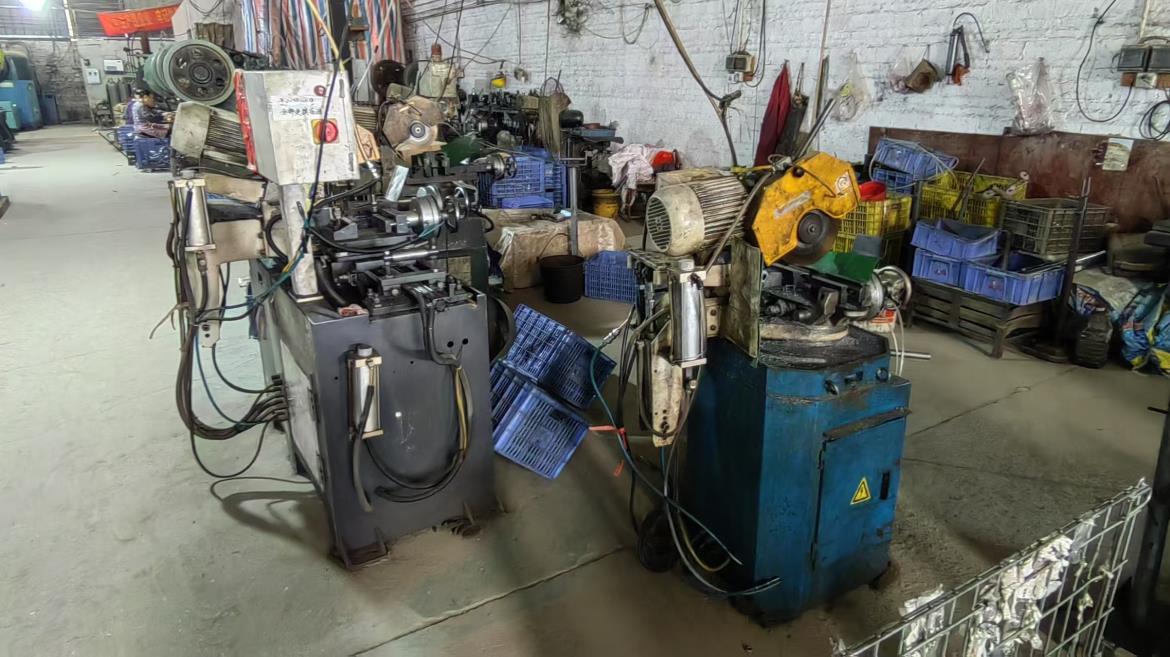
1. Precision Tube Cutting & Blanking
High-speed laser cutting heads ensure burr-free chamfers and precise length tolerances (±0.1 mm) on all stainless tubular railing components.
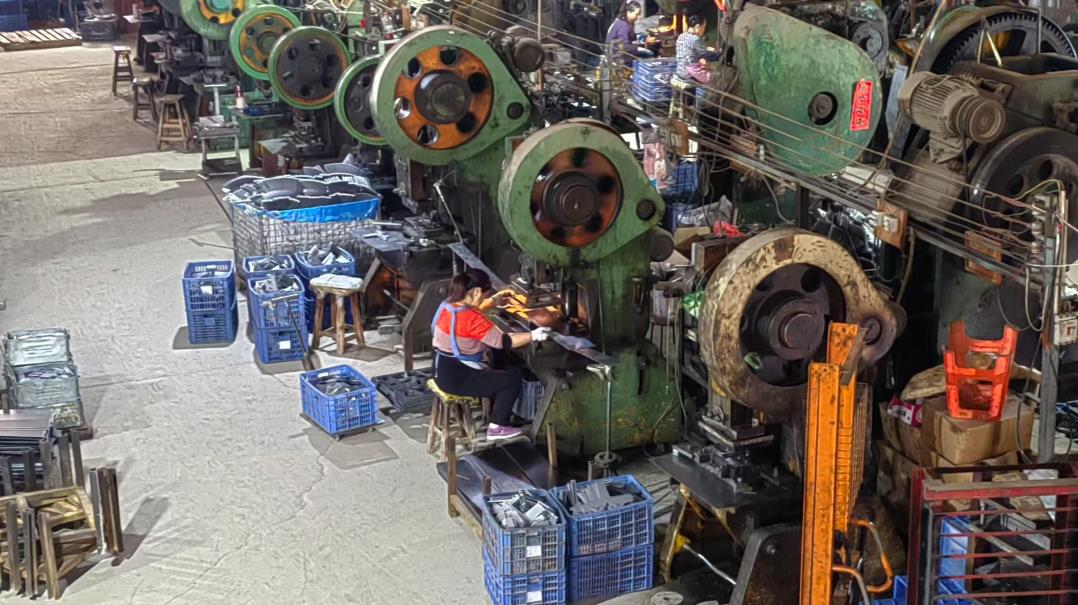
2. Heavy-Tonnage Die Stamping
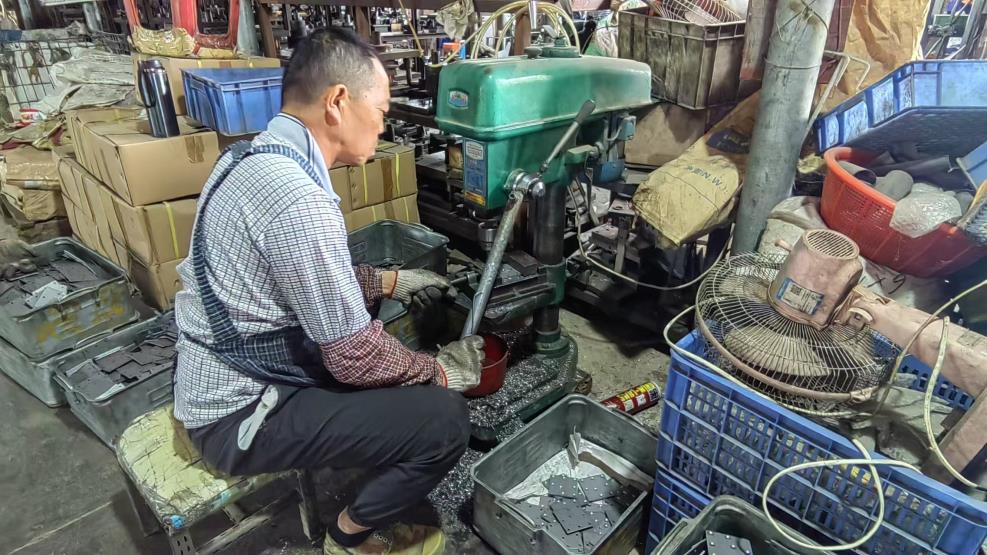
Progressive stamping presses ranging from 60 to 250 tons form structural base flanges, corner brackets, and heavy mounting plates.
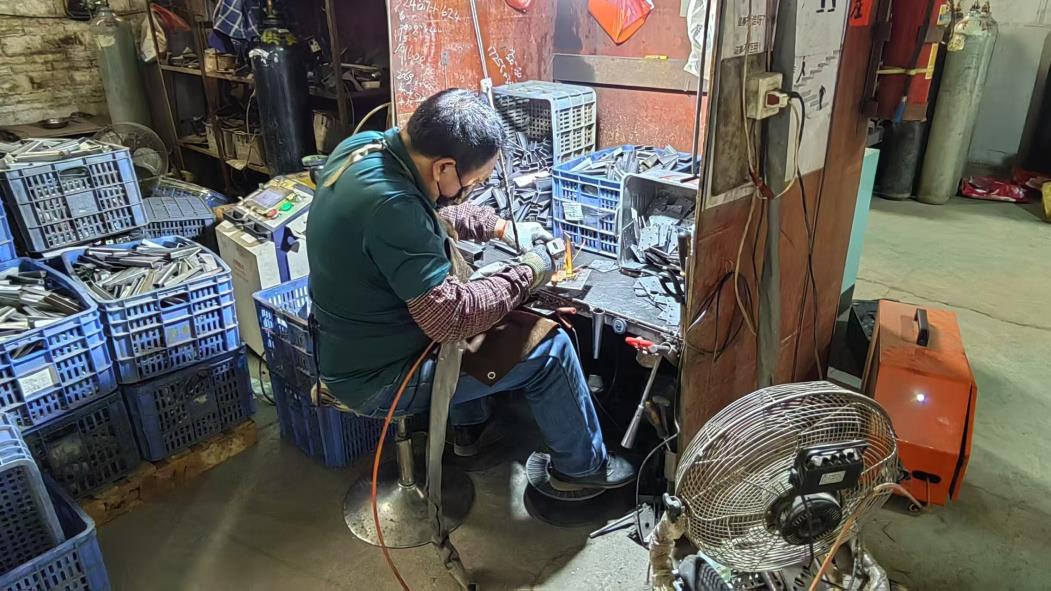
3. Precision TIG & Laser Welding
Full-penetration argon gas-shielded TIG welding produces seam integrity capable of withstanding critical bending moments and shear stresses.
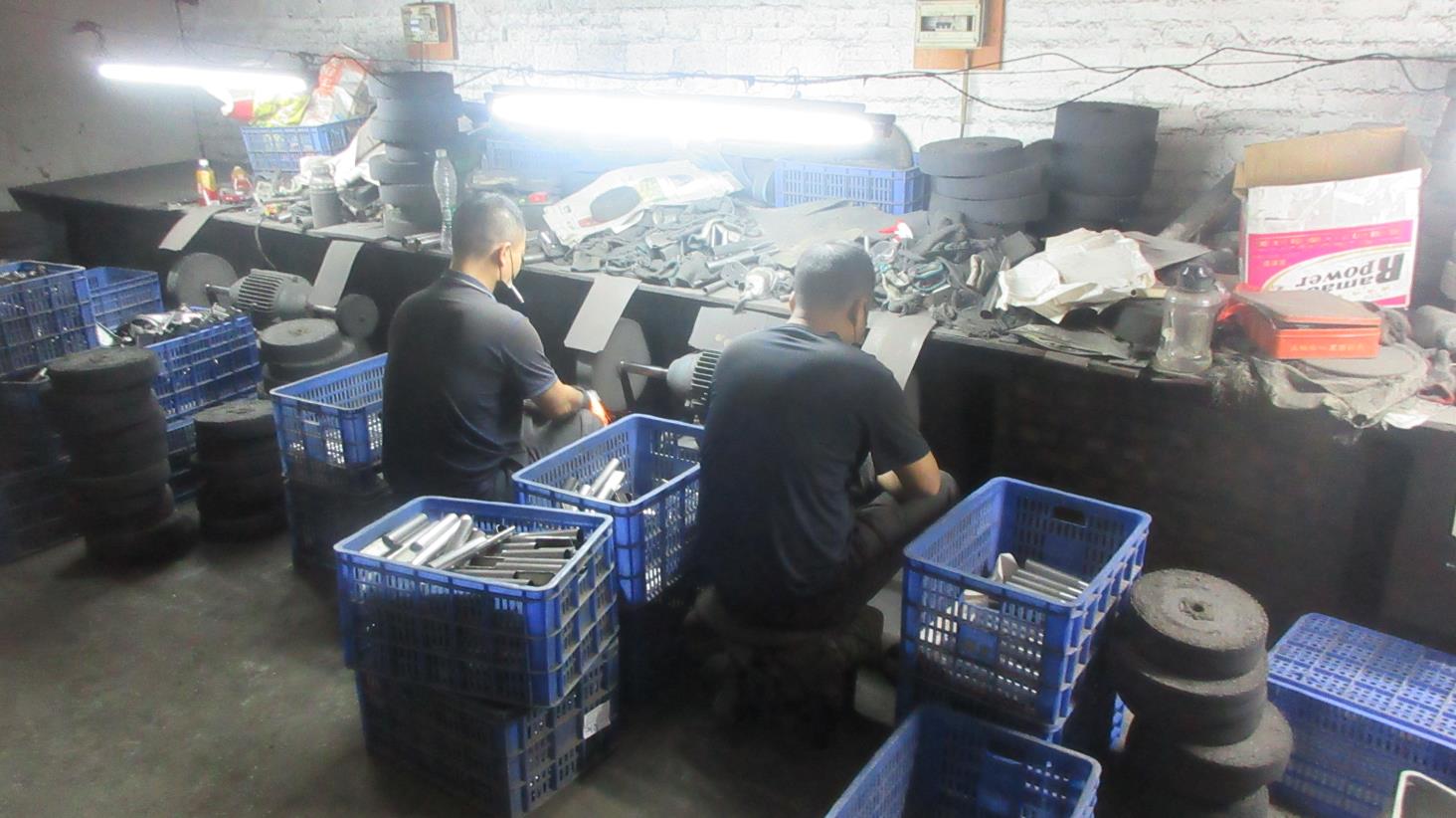
4. Multi-Stage Surface Polishing
Sisal and cotton buffing wheels yield standard Ra < 0.2µm 800-grit mirror finishes and uniform 240-grit architectural directional satin finishes.
5. Controlled Kinetic Assembly
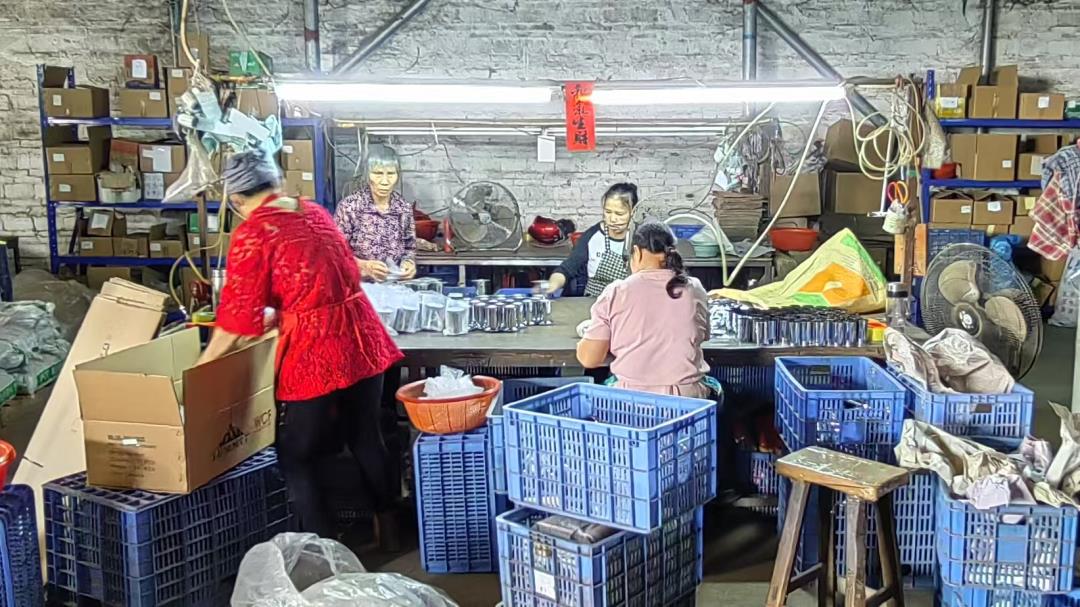
Dust-controlled clean assembly benches for hydraulic seals, dampers, internal mechanical linkages, and pre-packaged hardware kits.
6. Multi-Axis CNC Machining & QC
Strict quality control checkpoints verify pitch diameter, countersink angles, and thread concentricity with CMM and optical projectors.
Critical engineering criteria, alloy compliance, minimum order quantities, and custom tooling schedules direct from our chief manufacturing engineers.
Q1:How does EHOME verify stainless steel chemical composition and prevent counterfeit alloys?
Every heat of incoming stainless steel bar, plate, and casting undergoes handheld XRF (X-ray fluorescence) spectrometer testing prior to offloading. We verify exact percentages of Nickel (8.0%+ for 304, 10.0%+ for 316) and Molybdenum (2.0%+ for 316). Mill Test Certificates (MTC) conforming to EN 10204 Type 3.1 accompany every single production batch shipped from our Foshan facility.
Q2:What are the lead times for custom tooling (OEM/ODM) vs. standard catalog items?
For custom castings (lost-wax tooling) or progressive stamping dies, prototype tooling requires 18 to 22 calendar days, with initial T1 sample submission via air express within 5 days thereafter. Following dimensional sign-off by your engineering team, mass production typically completes in 25 to 35 business days. Standard in-stock catalog hardware dispatches in 3 to 7 business days.
Q3:What structural design load standards do your glass spigots and railing brackets satisfy?
Our structural balustrade fittings are engineered to exceed the rigorous criteria set forth by IBC 2024 (International Building Code) Section 1607.8, requiring a 200 lb (0.89 kN) concentrated load and 50 plf (0.73 kN/m) uniform linear load along the top rail. We conduct destructive proof-load testing and cyclical fatigue testing according to ASTM E935 standards with full test logs available.
Q4:Can we combine mixed hardware SKUs into a single container order to optimize freight?
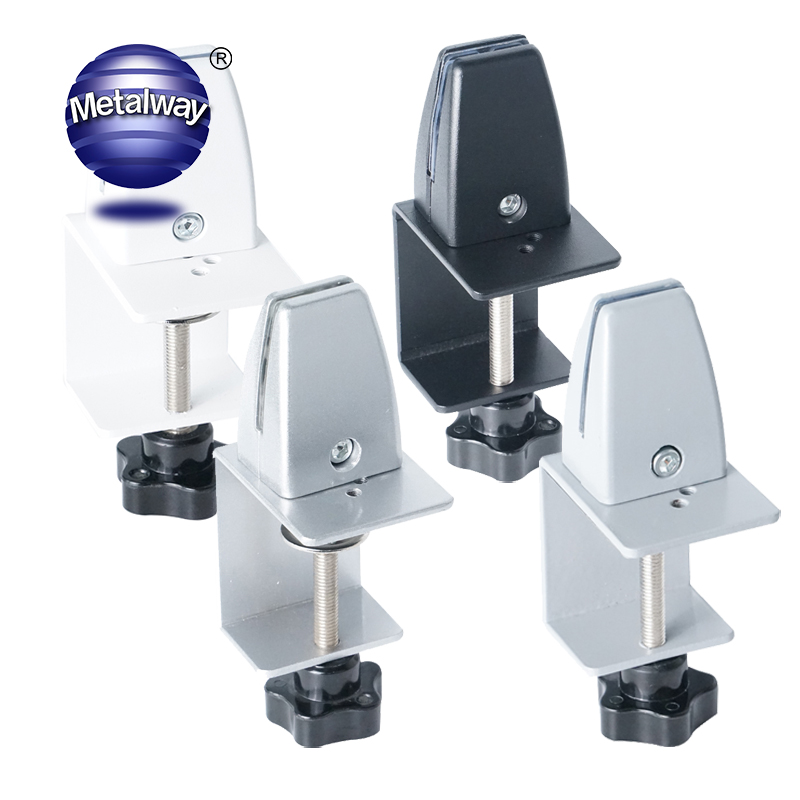
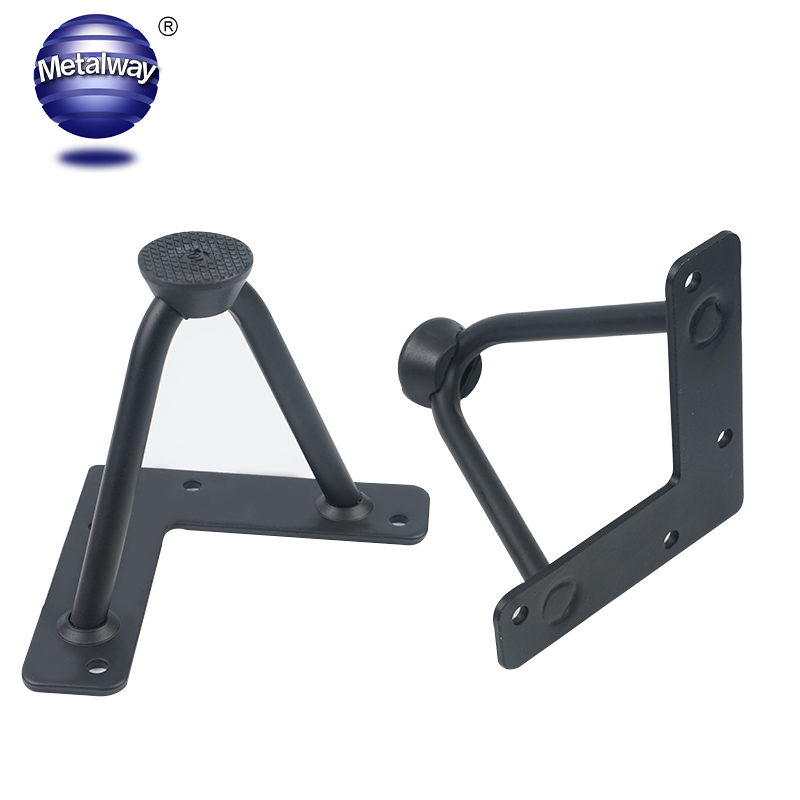
Yes. A key logistical advantage of Foshan EHOME is our multi-category manufacturing footprint. Importers can freely combine stainless railing spigots, office desk partition clamps, hydraulic lid stays, table legs, and bathroom ADA grab bars on a single bill of lading (BOL). This consolidation drastically reduces sea freight overhead, clearance fees, and port handling charges.
Q5:What surface finish treatments are available for exterior and marine exposure?
We offer 240/320-grit mechanical satin brushed, 800-grit ultra-mirror polish, electropolishing (which removes microscopic surface peaks and enriches the chromium layer for maximum pitting defense), and multi-chamber industrial PVD physical vapor deposition in Matte Black, Satin Gold, Rose Gold, and Deep Graphite. All outdoor finishes pass 240+ hours ASTM B117 neutral salt spray testing without pit formation.
Q6:What packaging standards protect precision-polished fittings during intermodal ocean transit?
To prevent hairline surface abrasion and humidity oxidation, each finished component is individually packed in an anti-scratch pearl cotton (EPE) pouch, then boxed into reinforced multi-wall corrugated cardboard inner cartons. Inner cartons are master-packed with desiccant packs into heavy-duty 5-ply export master cartons, which are then stretch-wrapped and strapped onto heat-treated, fumigated ISPM-15 compliant solid wood or plywood pallets.
Initiate Your Custom Hardware Engineering Project
Whether you require precision silica sol investment casting for municipal handrails, custom PVD finishes for commercial balustrades, or consolidated OEM hardware lines, our senior technical engineering team is ready to analyze your 2D/3D CAD drawings.