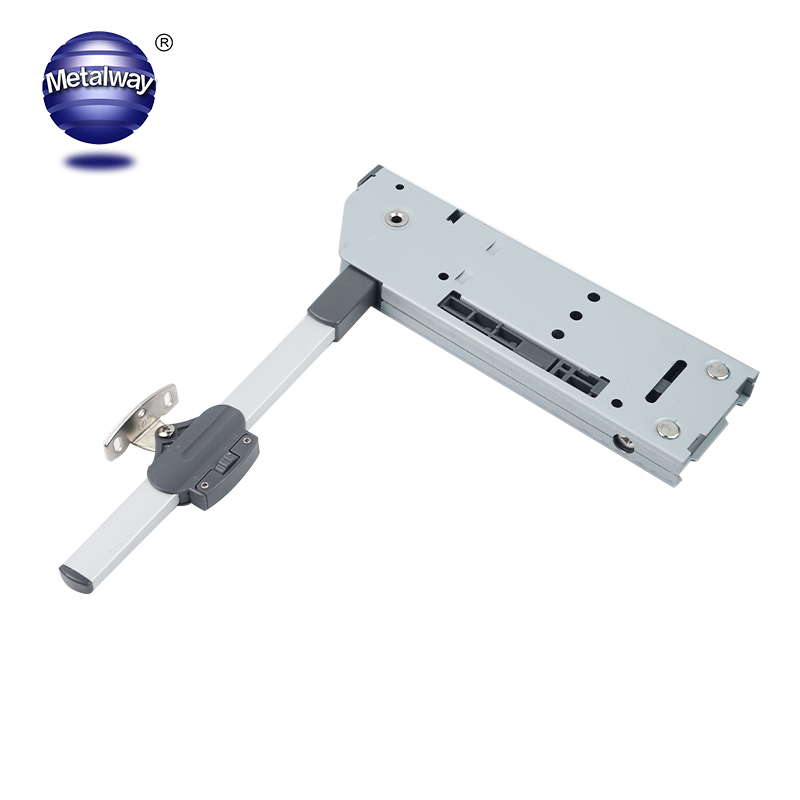
Recommended Architectural & Hardware Assemblies
Engineered to exacting tolerances, our precision balustrade, cabinet, and glass mounting systems are verified on-site by TÜV Rheinland for global commercial and luxury residential applications.
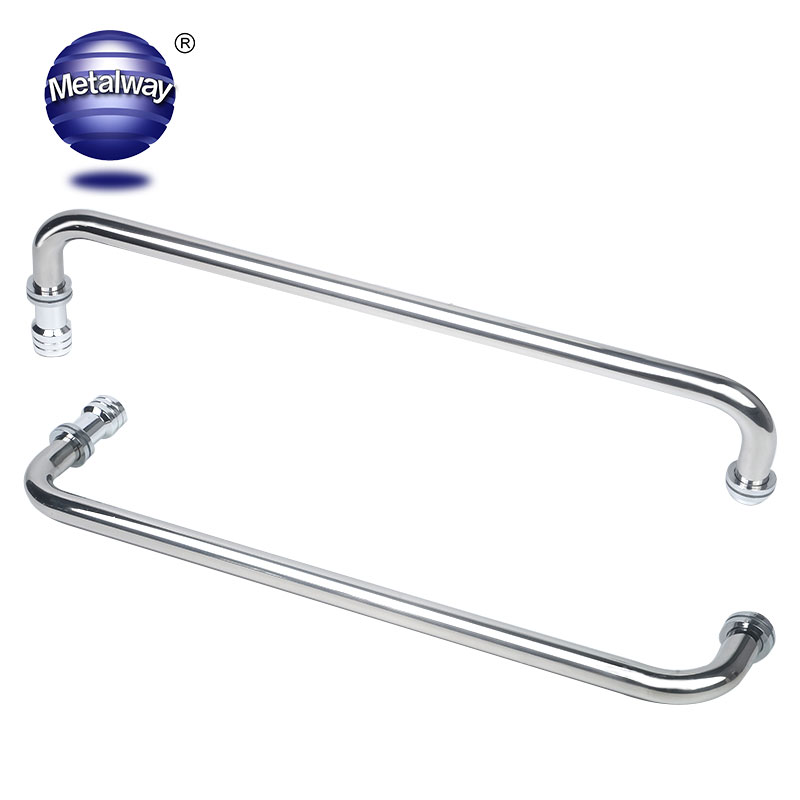
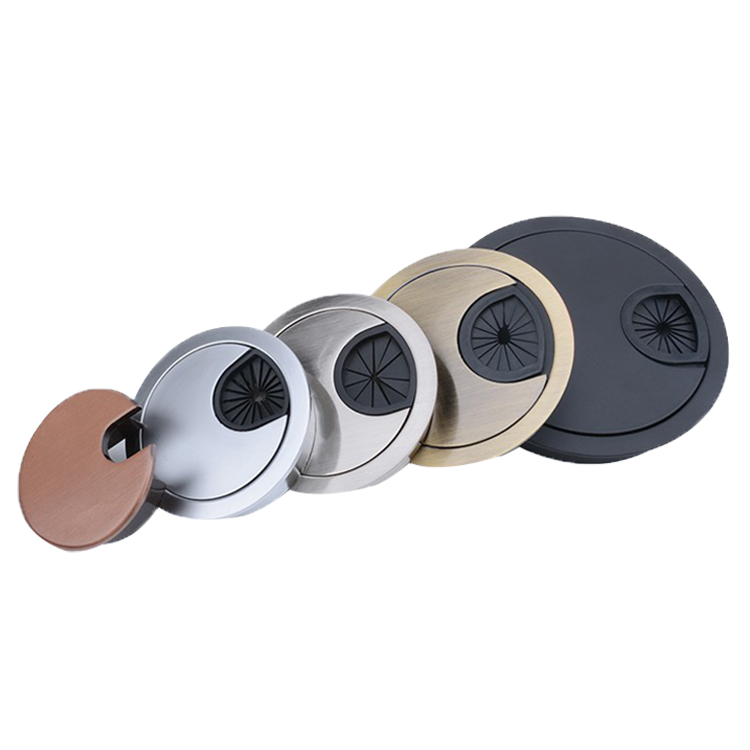
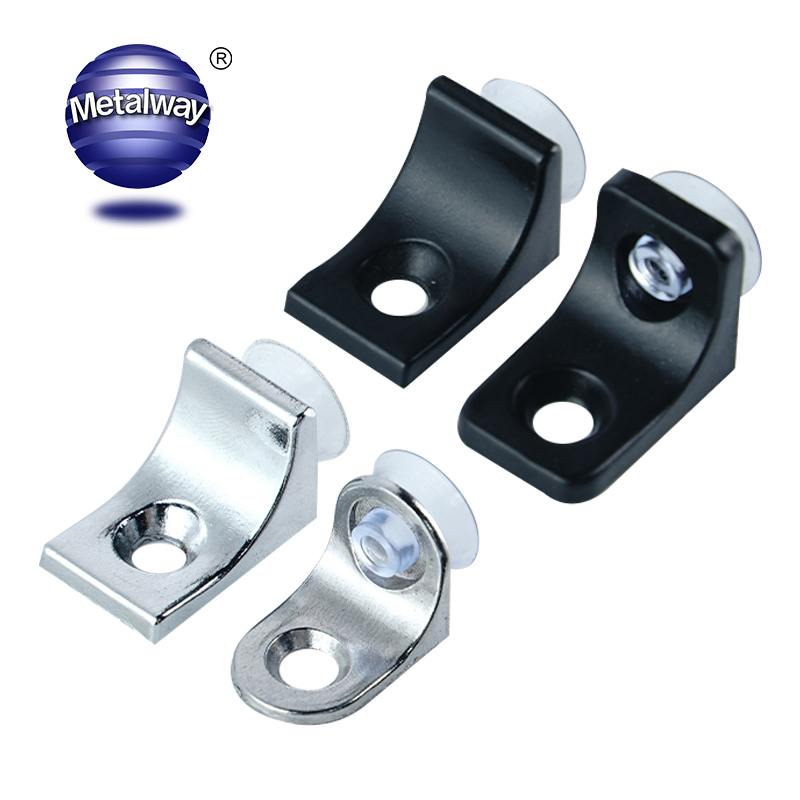
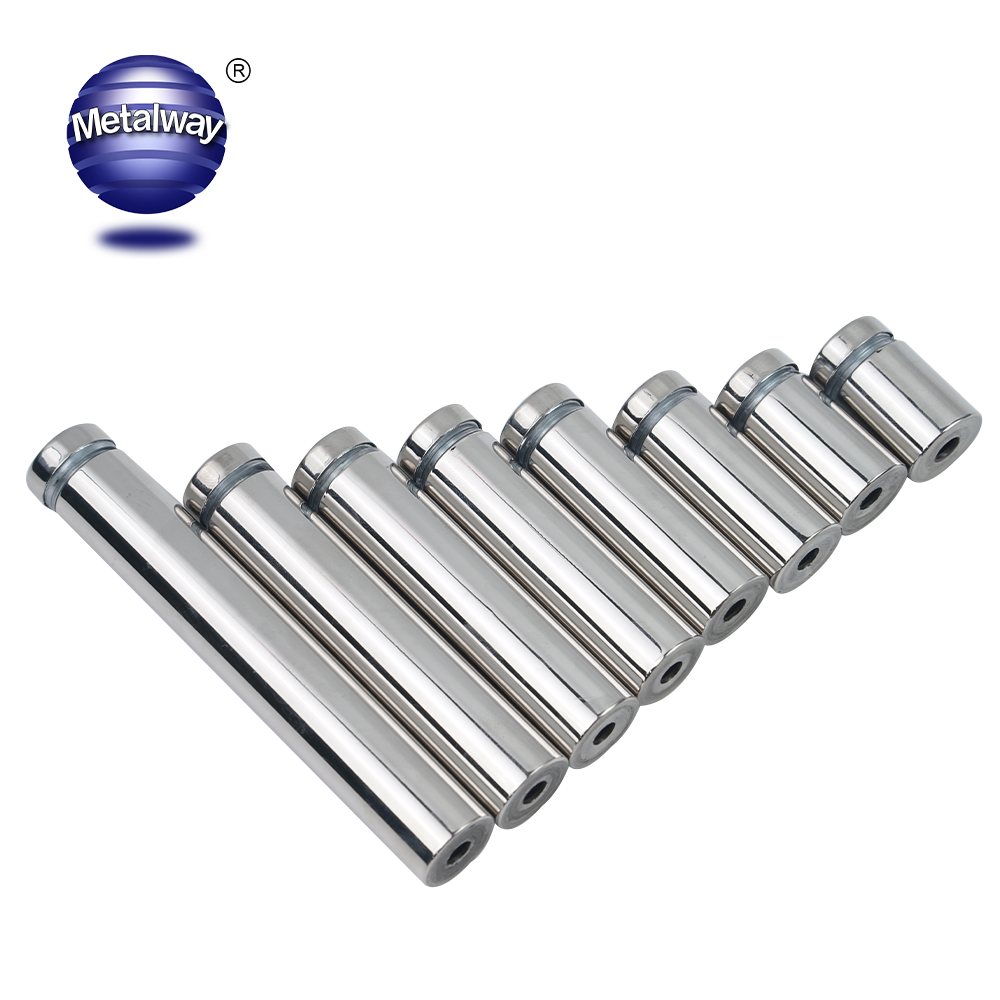
Engineering Glass Railing Spigots: Structural Mechanics & Metallurgy
A technical overview of frameless architectural glazing hardware, load path analysis, and casting integrity for commercial and marine specifications.
Mechanical Load Pathways & Bending Moment Resistances
In modern frameless balustrade engineering, the glass railing spigot operates as the critical structural anchor holding cantilevered monolithic or laminated glass panels. Unlike post-supported railings where point loads distribute across multiple linear stanchions, spigot assemblies must independently withstand point load forces upwards of 1.5 kN to 3.0 kN applied at the top edge of a 1000mm–1200mm barrier under ASTM E985, IBC (International Building Code), and British BS 6180 standards.
The mechanical moment (torque) concentrated at the spigot base plate is extreme. To prevent catastrophic failure, deformation, or glass pinching, our spigot designs leverage precision core-drilled or base-plated geometries. Through finite element analysis (FEA), internal wall thicknesses are engineered to eliminate stress risers, while integrated compression friction plates lined with high-tensile vulcanized EPDM gaskets evenly distribute clamping pressure, completely preventing localized thermal or mechanical point fractures on tempered panels.
| Alloy Grade | PREN Value | Yield Strength (Rp0.2) | Tensile Strength (Rm) | Recommended Deployment Environment |
|---|---|---|---|---|
| Duplex 2205 (EN 1.4462) | 34 – 38 | ≥ 450 MPa | 650 – 880 MPa | Coastal perimeters, marine seawalls, public swimming pools, splash zones |
| Marine Grade SUS316 | 23 – 25 | ≥ 205 MPa | 515 – 690 MPa | External commercial balustrades, outdoor balconies, suburban developments |
| Standard SUS304 | 18 – 20 | ≥ 190 MPa | 500 – 620 MPa | Indoor luxury atriums, conditioned interior stairways, low-humidity spaces |
| Die-Cast Zamak Zinc Alloy | N/A | ~ 200 MPa | 280 – 330 MPa | Interior light-duty office partitions, internal furniture glass clips |
Future B2B Procurement Trends in Glass Hardware (2025–2030)
Anticipating regulatory updates, supply chain demands, and environmental standards shaping large-scale hardware distribution.
Duplex 2205 Replacing SUS316 in Global Tenders
Global procurement teams across North America, Australasia, and the Middle East are shifting project tenders from SUS316 to Duplex 2205. With near-double the mechanical yield strength and exceptional Pitting Resistance Equivalent Numbers (PREN ≥ 35), Duplex 2205 prevents stress-corrosion cracking induced by chlorines and coastal salt mist, drastically mitigating liability claims.
Pre-Packaged Project Bundles & Fast-Track Kits
Tier-1 contractors demand integrated SKU bundling rather than disparate component sourcing. Modern procurement prioritizes suppliers capable of pairing matching spigots, tilt-adjustment grub screws, drainage spacers, expansion anchors, and heavy-duty silicone buffers into barcode-scanned installation packaging to streamline site assembly.
Stricter Environmental & Embodied Carbon Standards
Green building certifications (LEED v4.1, BREEAM) are penalizing heavy virgin-ore smelting. Tier-1 buyers require foundries utilizing closed-loop scrap recycling, scrap-rate transparency, and low-VOC physical vapor deposition (PVD) coating facilities that abandon toxic chemical electroplating in favor of clean vacuum metallization.
Technological & Design Evolution in Railing Systems
Innovations optimizing labor efficiency, aesthetic versatility, and site-level micro-adjustments.
3D Patented Tilt-Adjustable Friction Clamp Tech
Traditional non-drilled spigots require time-consuming manual shimming to align glass panels across uneven concrete slabs. Contemporary engineering adopts multi-axial internal adjustment screws, enabling a single installer to rectify plum horizontal and vertical pitch by ±3 degrees via simple hex allen adjustments from within the balustrade line.
Advanced PVD & Ultra-Durable Powder Coatings
While satin and mirror finishes remain staples, architectural specs now demand Matte Architectural Black, Brushed Champagne Gold, and Gunmetal Gray. Our zero-defect automated PVD deposition coats spigot bodies in micro-thin titanium nitride compounds that endure 1,000+ hours of continuous neutral salt spray (ASTM B117) testing without micro-delamination.
Integrated Drainage & Core-Drill Hybrid Bases
Pool safety enclosures and high-rise perimeters demand active runoff management. New spigot profiles integrate concealed drainage channels that allow pooled rainwater and chlorinated water to evacuate freely beneath base covers, eliminating stagnant pooling, calcium efflorescence, and substrate staining on high-end coping stones.
Why Partner with Foshan EHOME Hardware Co., Ltd.
Rooted in Foshan, Guangdong—China's world-class metal processing cluster—EHOME Hardware delivers end-to-end reliability, engineering rigor, and global trade compliance.
13 Years Manufacturing Mastery
Operating a dedicated 2,000± m² manufacturing floor backed by over 50 skilled metalworking specialists, certified punching equipment, automatic pipe cutters, high-precision hydraulic presses, and automated polishing facilities.
TÜV Rheinland Verified Credibility
Independently audited and assessed on-site by TÜV Rheinland. Our facility maintains transparent operations, audited quality control systems, CE and CPR structural certifications, and consistent 5.0/5 customer ratings on international B2B platforms.
Agile OEM/ODM & Mold Development
Rapid rapid-prototyping turnaround: tailored 2D/3D CAD review within 24 hours, functional toolings and custom sample readiness within 7 days, and custom extrusion or investment casting designed precisely to your wind load parameters.
Consolidated Multi-Category Supply
Overcome container fragmentation. Cross-source glass hardware, balustrades, furniture legs, cabinet handles, and bathroom partition hardware in a single consolidated purchase order to slash logistics expenses and streamline customs clearance.
Glass Railing Spigots & Architectural Hardware: B2B FAQ
Direct, highly-detailed engineering answers addressing common compliance, load testing, tooling, and shipping inquiries.
What are the key structural distinctions between Core-Drilled and Base-Plated Spigots? ▾
Core-Drilled Spigots feature an extended anchoring shaft (typically 100mm to 150mm) that is sunk directly into core-drilled concrete foundations and bonded with high-strength structural non-shrink grout. They provide superior shear and bending moment performance, making them the preferred choice for structural balcony edges and public parapets. Base-Plated Spigots rely on a welded or single-cast foot with 4 anchoring holes bolted down via M10 or M12 stainless steel expansion anchors. Base plates are simpler to retrofit onto finished deck surfaces and timber beams, though they require structural verification of the base substrate to resist pull-out forces.
Which glass thicknesses and panel compositions are supported by your spigot assemblies? ▾
Standard production molds accommodate glass thicknesses ranging from 10mm (3/8") to 21.52mm (13/16"). This encompasses monolithic toughened glass (10mm, 12mm, 15mm) and laminated toughened panels (e.g., 5+1.52PVB/SGP+5, 8+1.52SGP+8, or 10+1.52SGP+10). Each spigot kit includes customized vulcanized EPDM or Santoprene rubber pressure pads calibrated to the exact decimal thickness to ensure complete frictional hold without causing micro-cracking across glass laminates under high wind loads.
How do you guarantee alloy purity and eliminate the risk of corrosion in marine projects? ▾
We execute dual-tier metallurgical verification. Every raw batch of stainless steel billets or cast components undergoes handheld optical emission spectroscopy (XRF analyzer) testing upon receipt to verify nickel, chromium, and molybdenum percentages (e.g., Mo ≥ 2.0% for SUS316; Mo 3.0-3.5% & N 0.14-0.20% for Duplex 2205). Mill Test Certificates (MTC) conforming to EN 10204 3.1 standards are generated for every production run, supplemented by periodic salt-spray corrosion cycle reports.
What are the factory's typical tooling cycles and OEM mass production lead times? ▾
For custom investment casting tooling or aluminum extrusion dies, mold manufacturing and first-article sample production requires 15 to 20 business days. Standard in-catalog spigot samples ship within 5 to 7 days. High-volume contract production (full container loads ranging from 5,000 to 20,000 spigots) completes in 25 to 35 calendar days, confirmed strictly on the proforma invoice with staged QC milestone reporting.
Can EHOME Hardware supply custom private-label branding and drop-ship retail packaging? ▾
Yes. We offer turnkey ODM services including fiber laser logo etching on spigot bodies or base covers, high-density custom-molded EVA protective foam trays, barcoded retail color boxes, installation manuals, and drop-tested double-wall five-ply corrugated master cartons reinforced on fumigated pallets for seamless ocean freight transit.
Ready to Scale Your Architectural Hardware Supply Chain?
Consult with our engineering department in Foshan today. Receive comprehensive technical drawings, material test certifications, and an actionable FOB/CIF quotation within 24 hours.
Send an Inquiry