Heavy-Duty Mount
Custom-fabricated brackets, industrial support assemblies, and hardware systems engineered to stringent tensile, shear, and environmental durability criteria.
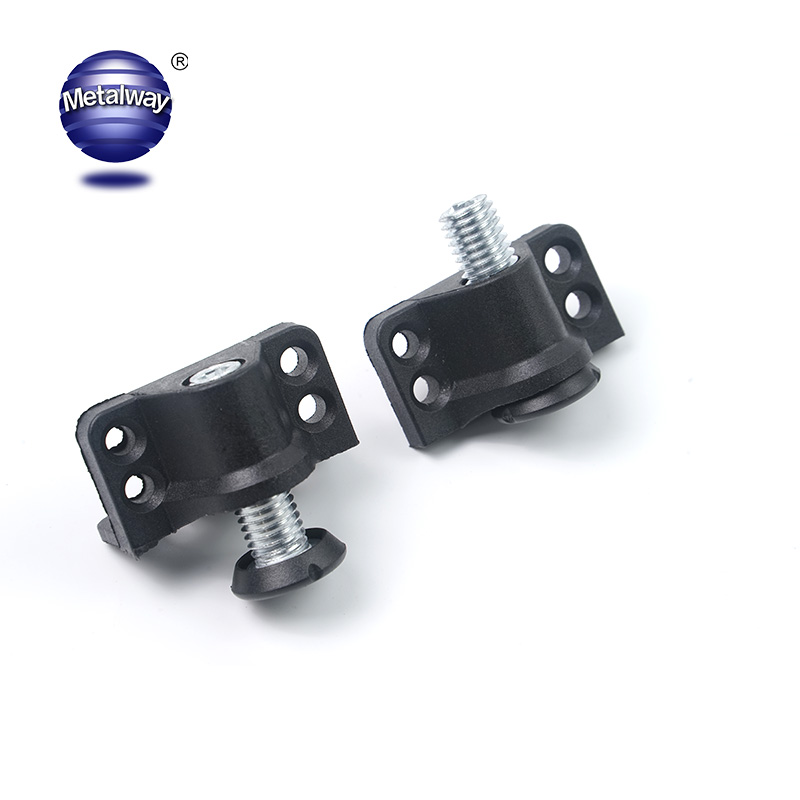
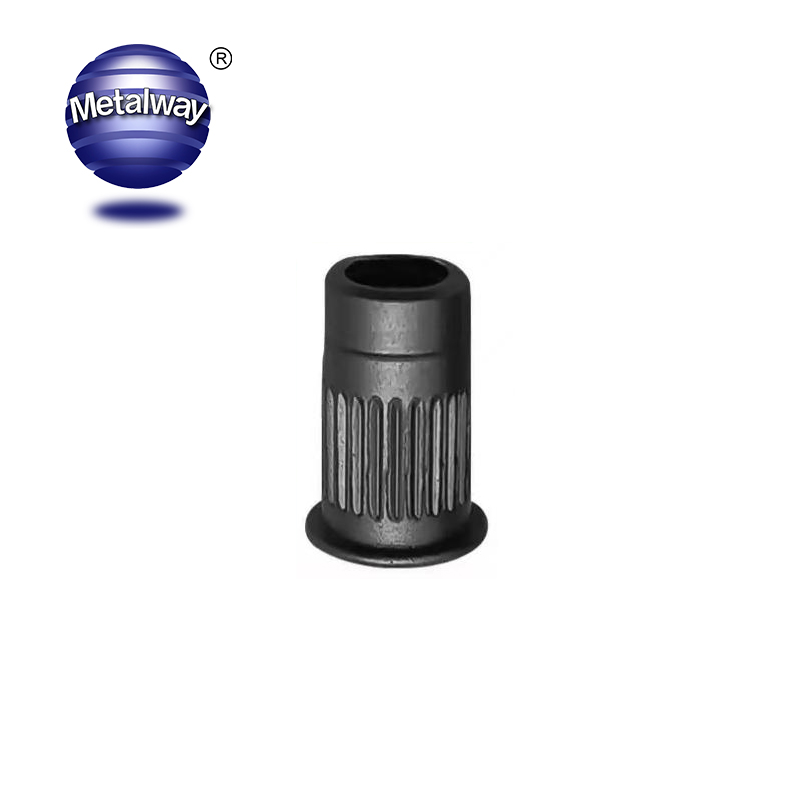
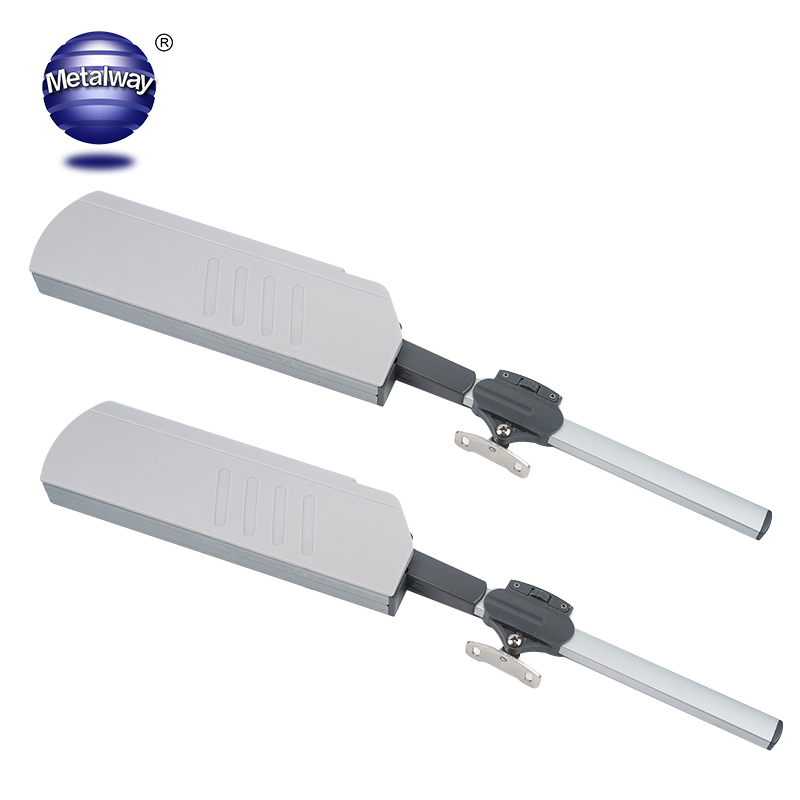
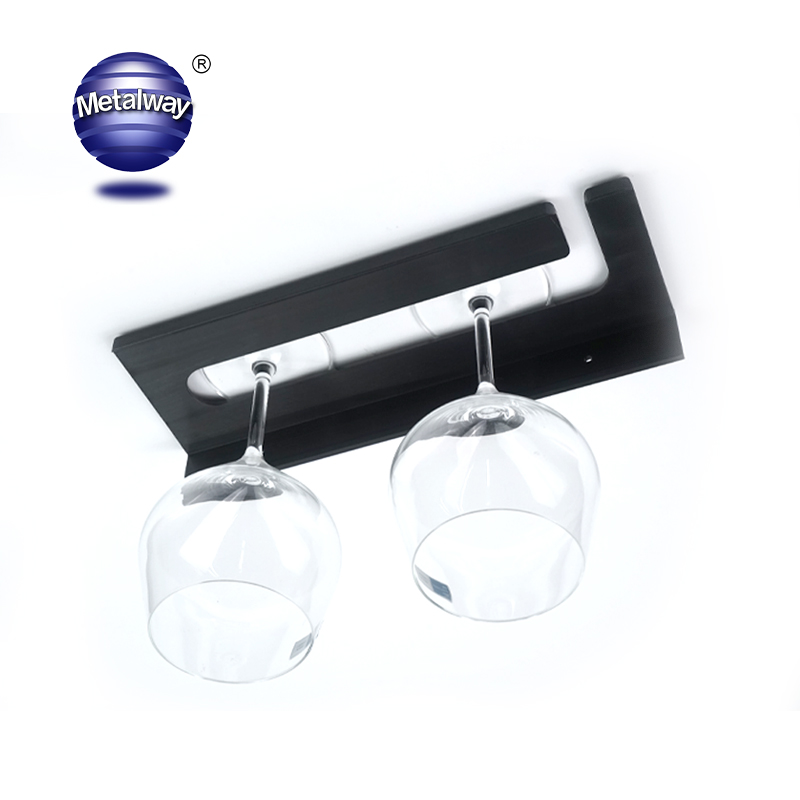
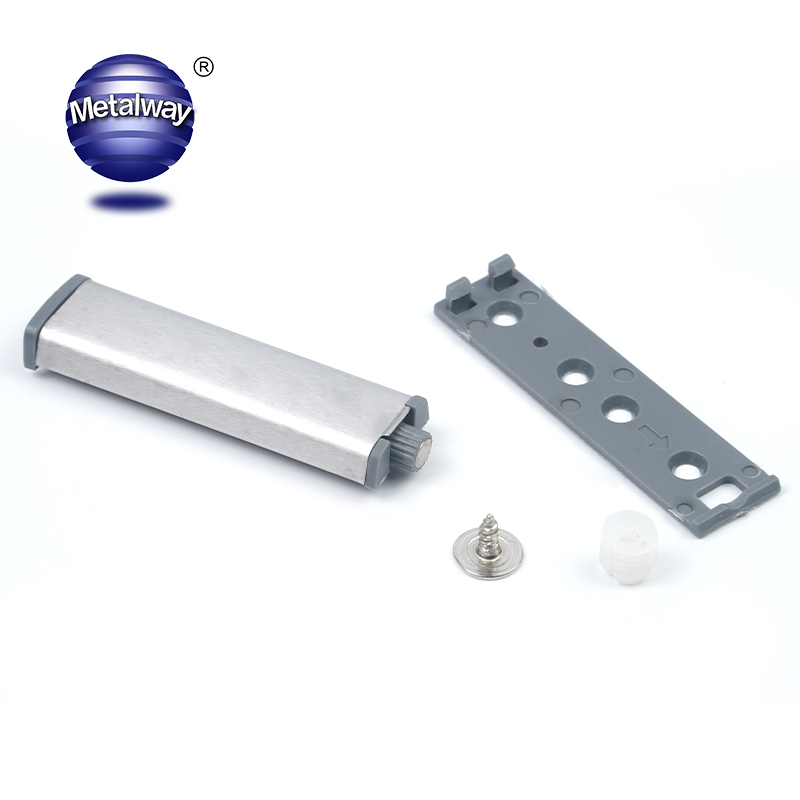
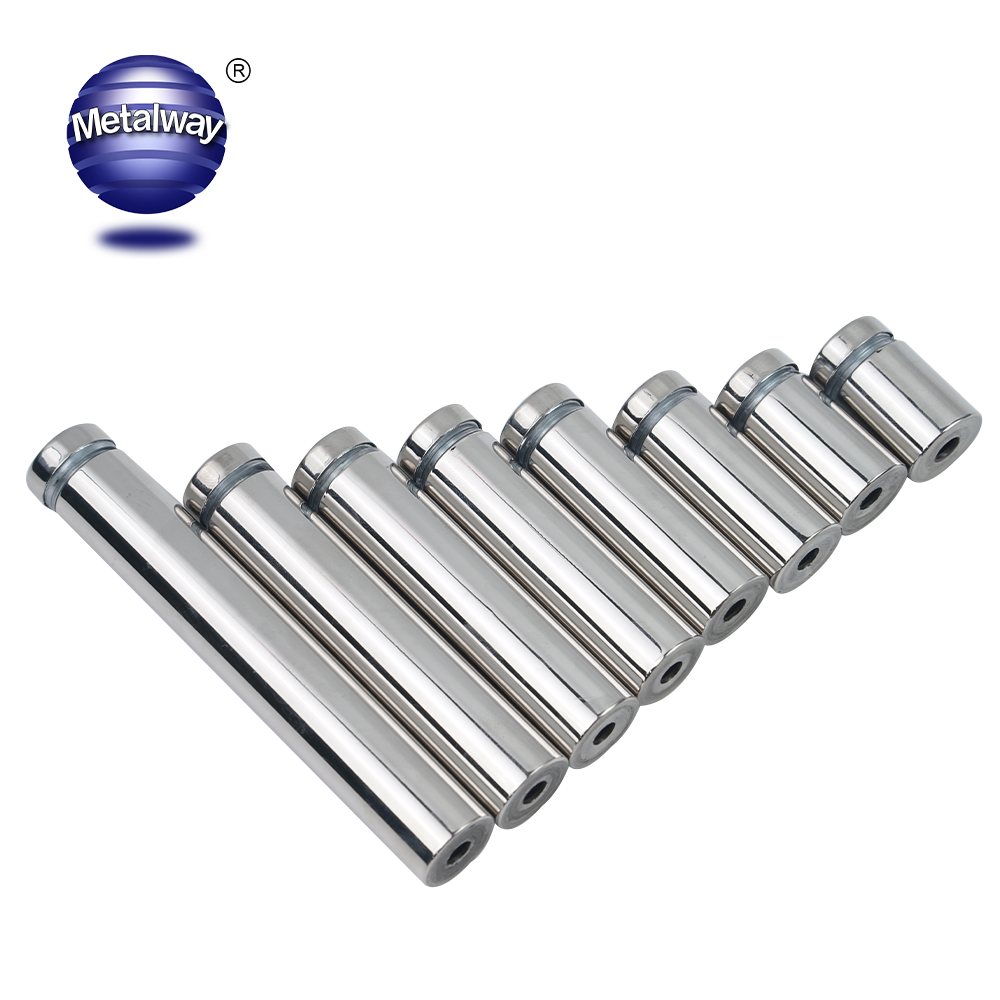
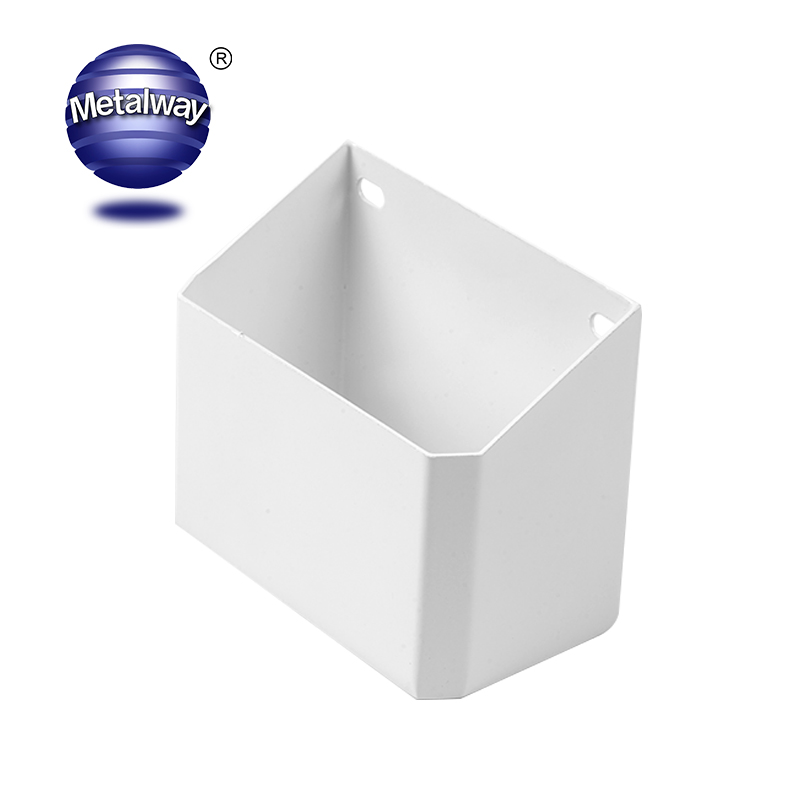
In modern architectural construction, modular joinery, and specialized commercial furniture manufacturing, the specification of OEM/ODM heavy-duty brackets has shifted from basic commodity purchasing to high-precision structural integration. Engineering a bracket that supports static and dynamic payloads up to 800 kg demands deep technical competence in cold-stamping kinetics, robotic gas metal arc welding (GMAW), finite element analysis (FEA), and surface passivity.
As an on-site verified hardware manufacturer headquartered in Foshan, China—the epicenter of global hardware supply chains—EHOME delivers full-lifecycle manufacturing capabilities. We bridge the gap between initial custom CAD drafts and container-load turnkey deliveries, maintaining strict compliance with CE, CPR, and international ASTM load-bearing directives.
Selecting the correct metallurgical profile determines ultimate yield strength, elongation properties, and resistance to chemical stress-cracking:
| Base Alloy / Material | Tensile Strength (MPa) | Primary Mechanical Strengths | Recommended Environmental Scope | Engineered Finish Types |
|---|---|---|---|---|
| Austenitic SUS304 | ≥ 520 | High ductileness, exceptional pitting resistance | Coastal facades, commercial kitchens, wet showers | Brushed Satin, Mirror Polish, PVD Titanium |
| Cold-Rolled Carbon Steel (SPCC) | ≥ 270 – 440 | Maximum rigidity, cost-effective high shear yield | Internal structural framing, floating shelf consoles | Electrostatic Powder Coat, Zinc/Chrome Plate |
| Extruded Aluminum 6063-T6 | ≥ 240 | Superior strength-to-weight ratio, crisp tolerances | Acoustic partitions, glass edge clamps, display systems | Anodized (15μm), Sandblasted Matte Black |
| Pressure Die-Cast Zamak 3/5 | ≥ 280 | Complex geometric repeatability, anti-vibration damping | Kinematic connectors, corner locking joints | Multi-phase Copper-Nickel-Chrome electroplating |
Global procurement teams at Fortune 500 contract furniture companies, commercial interior contractors, and architectural supply chains are restructuring their vendor portfolios around four macro shifts:
Buyers are shifting away from fragmented sourcing. By procuring heavy-duty brackets, cabinet mechanisms, and furniture legs under one roof, enterprises eliminate redundant inspection costs, lower container consolidation fees, and minimize shipping lead times.
Procurement teams demand rapid-response prototyping. Rather than accepting off-the-shelf catalog items, buyers require custom bracket geometry, stamped corporate insignias, and custom retail packaging engineered directly from step files within a 7-day turnaround window.
In accordance with stricter global commercial codes, procurement contracts increasingly stipulate verifiable testing regimes: 96-hour neutral salt-spray (NSS) corrosion testing, cycle-deflection certifications, and third-party on-site facility audits by firms such as TÜV Rheinland.
The manufacturing paradigms underlying structural bracket fabrication have progressed dramatically over the past five years:
1. Kinematic Multi-Linkage & Damping Integration: Simple static brackets are increasingly replaced by hybrid active mechanisms. Modern commercial interiors demand heavy-duty folding consoles and counterweight flap stays equipped with multi-stage hydraulic fluid or high-pressure nitrogen dampers that guarantee silent, controlled deceleration.
2. Tooling Precision & Continuous Progressive Stamping: By implementing progressive stamping dies running on high-tonnage punch presses, bracket hole centers, counterbores, and swaged structural ribs maintain repeatability within ±0.05 mm, eliminating field misalignment during modular site assembly.
3. Eco-Friendly High-Adhesion Surface Metallurgy: Hexavalent chromium processes have been replaced by RoHS-compliant trivalent passivation, advanced PVD (Physical Vapor Deposition) magnetron sputtering, and architectural polyester thermoset powder coatings that yield exceptional surface microhardness while resisting caustic detergents.
Operating a dedicated 2,000+ m² manufacturing workshop in Foshan, China with integrated stamping, machining, and inspection stations.
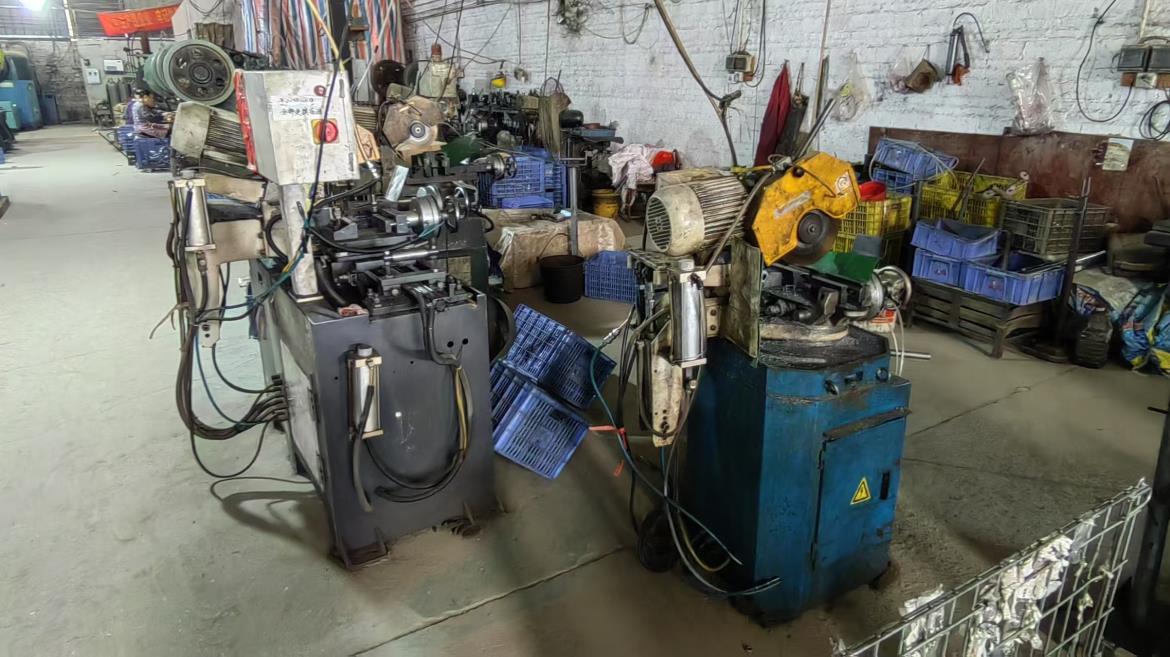
Strict dimensional cutoff with automated length gauges.
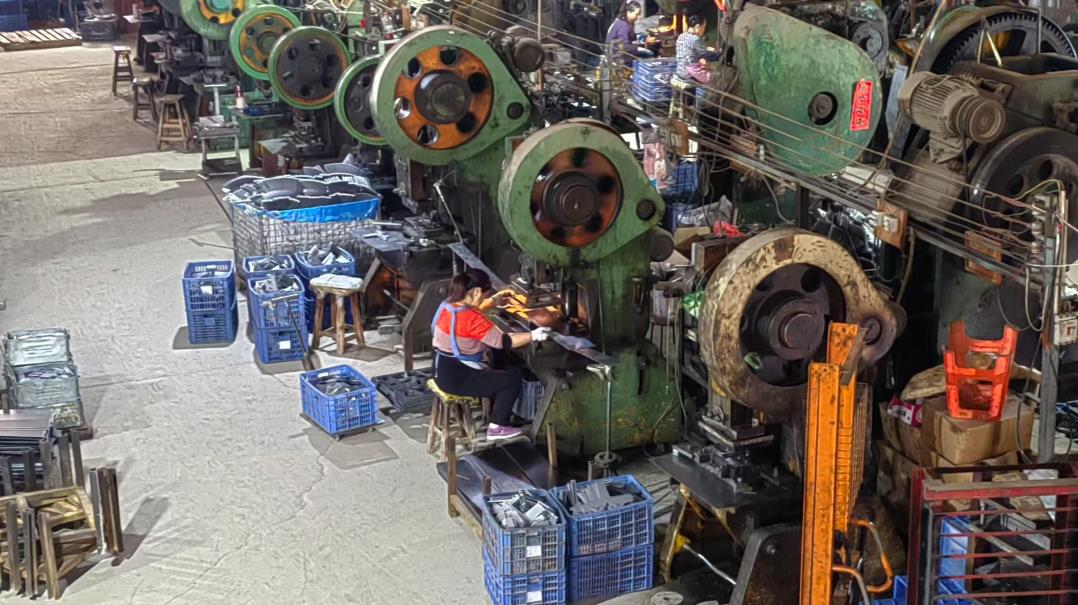
Multi-stage progressive forming dies for heavy consoles.
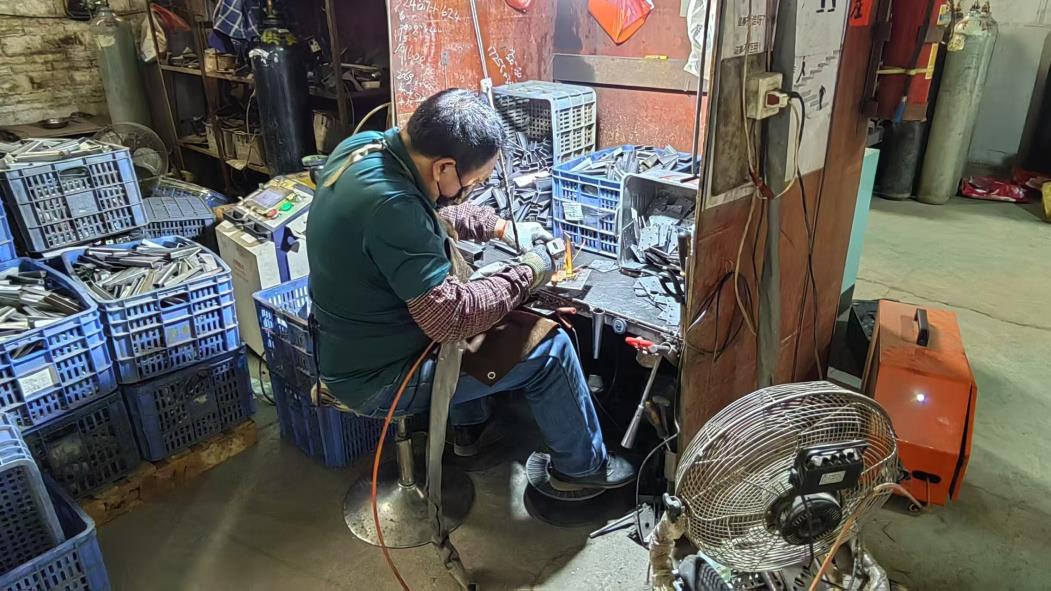
Continuous seam and TIG welding for rated loads.
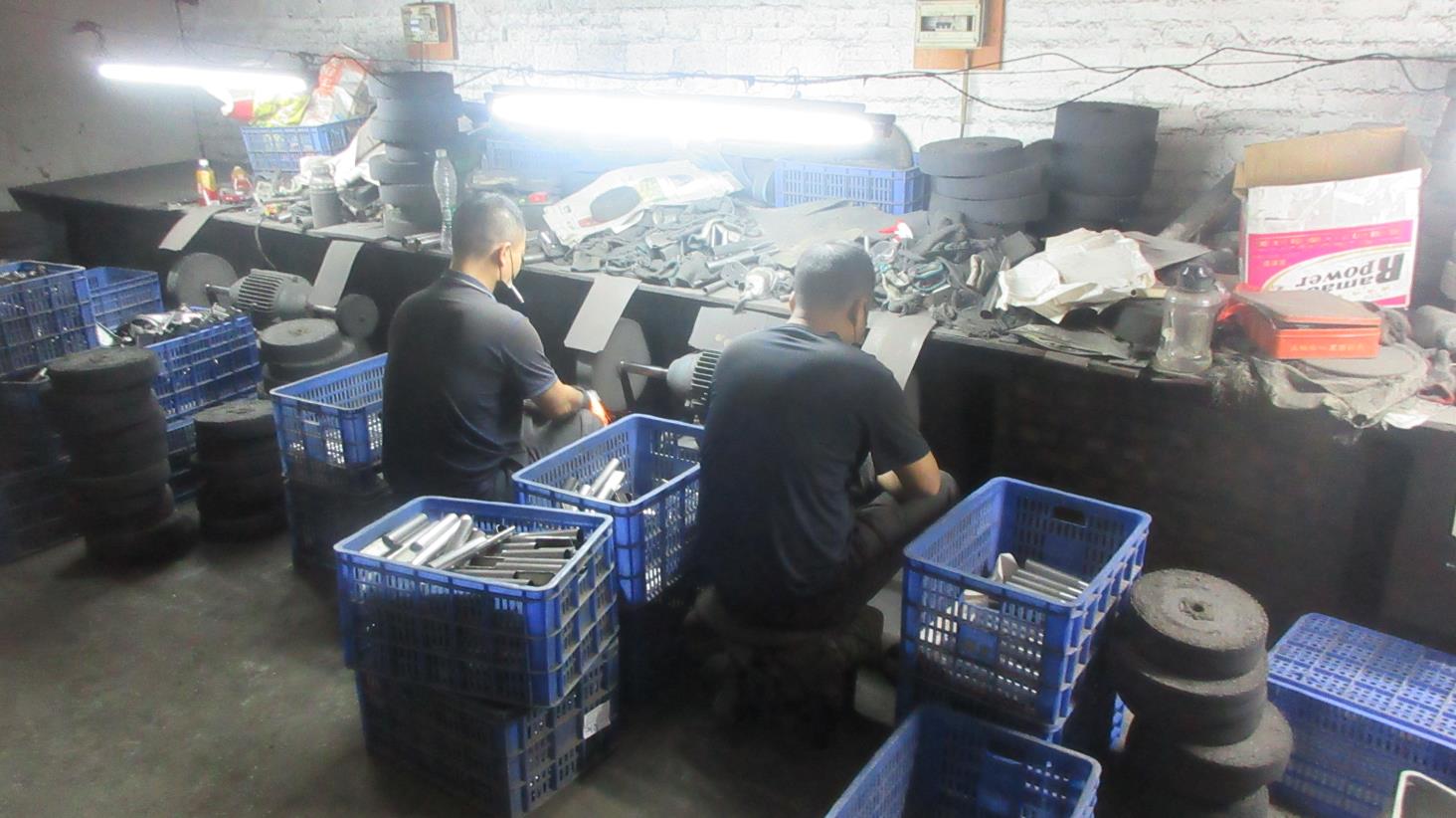
Manual and mechanized mirror buffing before plating.
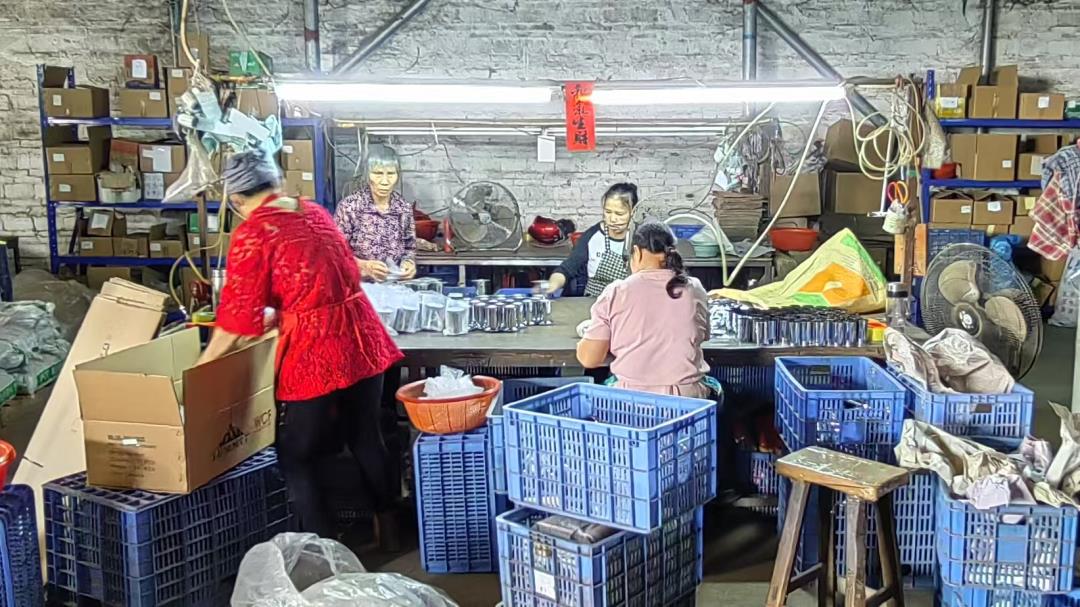
Bench testing of hydraulic pins and soft-close stays.
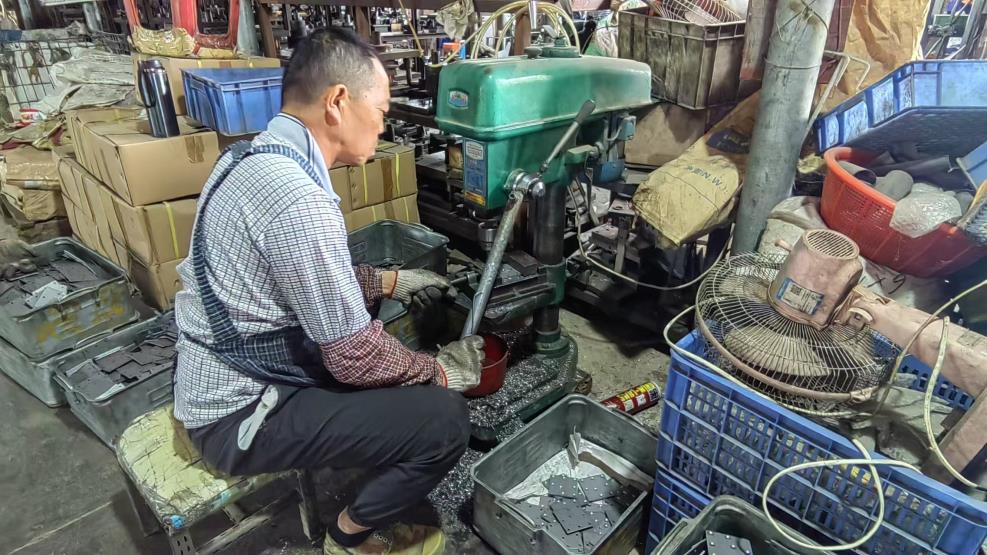
Multi-spindle countersinking for flush anchor fits.
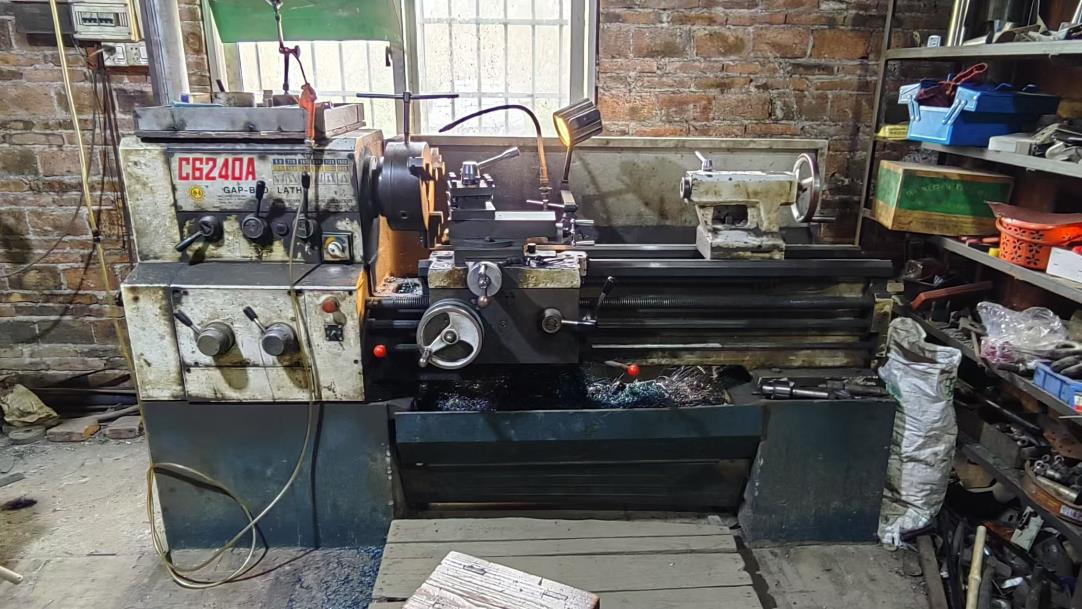
Solid standoff pins and precision turned bush rings.
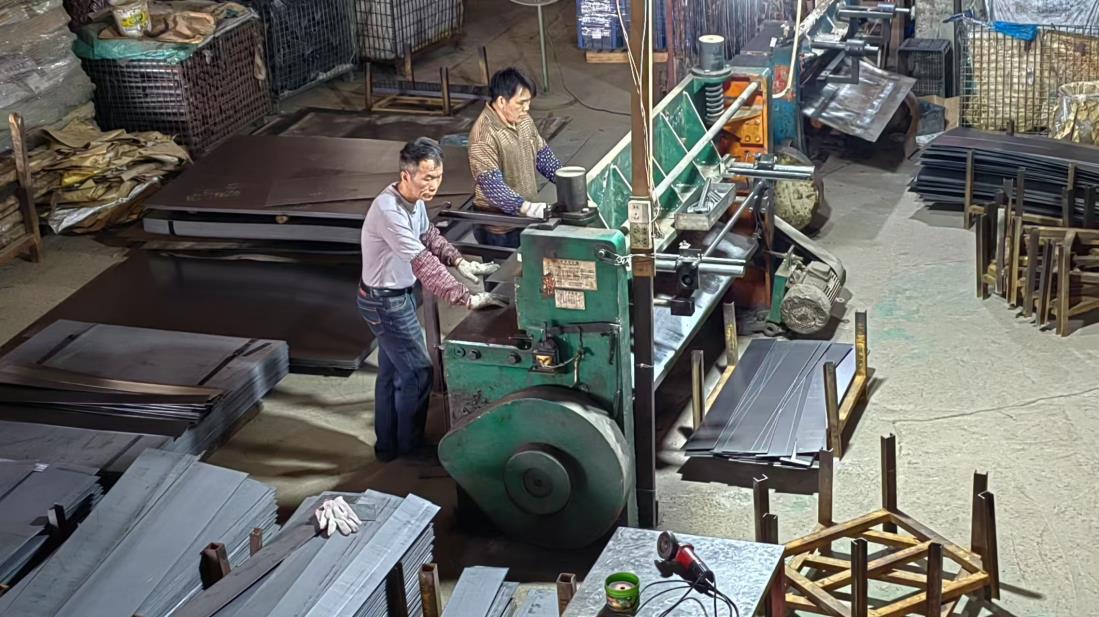
Clean raw material sizing with zero burr formation.
Combining local manufacturing depth in Foshan with rigorous international quality standards.
Production facilities assessed on-site by TÜV Rheinland. We handle laser shearing, forming, stamping, polishing, and packing with end-to-end accountability.
Every shipment passes strict incoming raw material spectral testing and finished goods dimensional, mechanical, and salt-fog compliance checkpoints.
Full support for CAD/SolidWorks drawings, custom tooling, custom alloy grades (SUS304, Iron, Al-Alloy, Zinc), and retail-ready private-label packaging.
13+ years exporting across Europe, North America, and APAC. Multi-category PO consolidation combines brackets, legs, and hinges into single sea-freight containers.
Direct answers concerning lead times, material grade selection, minimum orders, and customization capabilities.
MOQs depend directly on production tooling requirements and material specifications. For stocked baseline hardware or standard heavy-duty folding shelf brackets, orders begin at just 80 to 200 pairs. For bespoke stamped brackets requiring dedicated punch dies, standard MOQ starts between 1,000 and 5,000 pieces. We also support cross-series consolidated purchase orders (e.g., combining brackets, table legs, and glass clamps) to optimize full container loads (FCL).
We apply computer-aided FEA (Finite Element Analysis) stress simulations to calculate theoretical shear and deflection points prior to cutting metal. During physical pilot runs, samples are subjected to destructive static load presses with a 2.0x to 2.5x working safety coefficient. In addition, dynamic actuation testing confirms the cyclic integrity of hydraulic hinges and retractable flap brackets across >50,000 continuous movements.
Yes. Our in-house engineering center specializes in both print-to-part manufacturing and reverse engineering from physical customer samples. We accept standard DWG, DXF, STP, and IGS file formats. Tooling modification, die casting mold manufacture, CNC sample prototyping, and laser-etched branding are managed on-site with standard prototypes delivered in roughly 7 to 10 days.
For ferrous assemblies, we apply automated phosphating cleaning pretreatments followed by electrostatic polyester powder coating, or multi-step electroplating (acid copper strike → semi-bright nickel → microporous chrome). We verify coat uniformity and thickness according to ISO standards, ensuring components clear neutral salt spray (NSS) environmental test parameters (ranging from 48 up to 240 hours based on project criteria).
Standard lead times for high-volume bracket production range from 15 to 35 days from confirmed deposit and final drawing sign-off. As experienced exporters located near Foshan, Guangzhou, and Shenzhen ports, our export logistics team manages Bill of Lading, Certificate of Origin (CO, Form E), commercial invoices, packing lists, and pre-shipment quality inspection reports for streamlined customs processing globally.