Verified Manufacturing Specialties & Components
Tested for extreme dynamic load endurance, cyclical anti-fatigue stability, and precision metallurgical performance across architectural and commercial cabinetry systems.
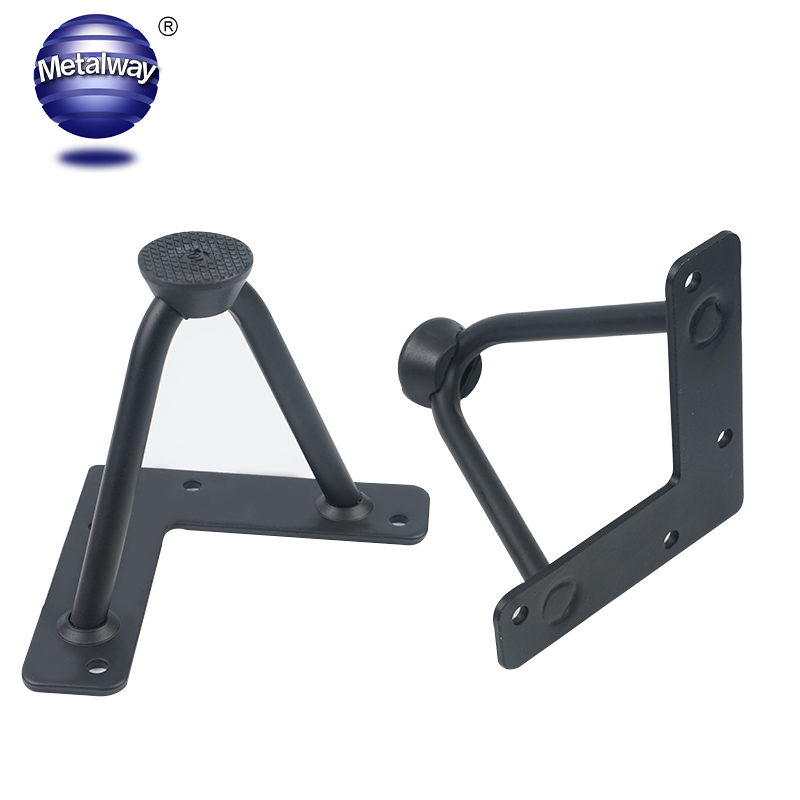
Furniture Leg Metal Table Customized Hairpin Leg
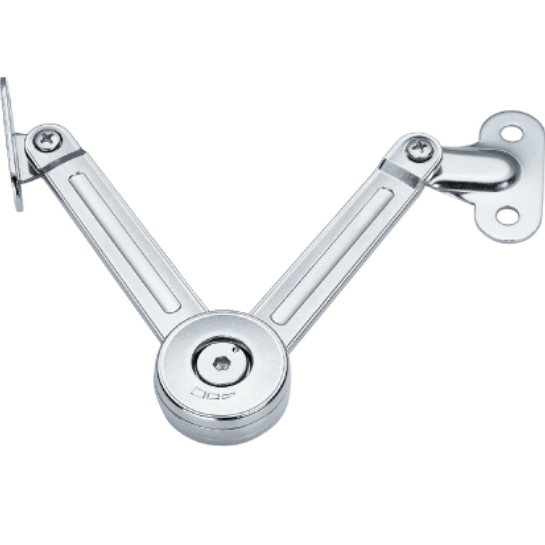
Zinc Alloy Kitchen Flap Door Hydraulic Soft Close Door Lid Stay
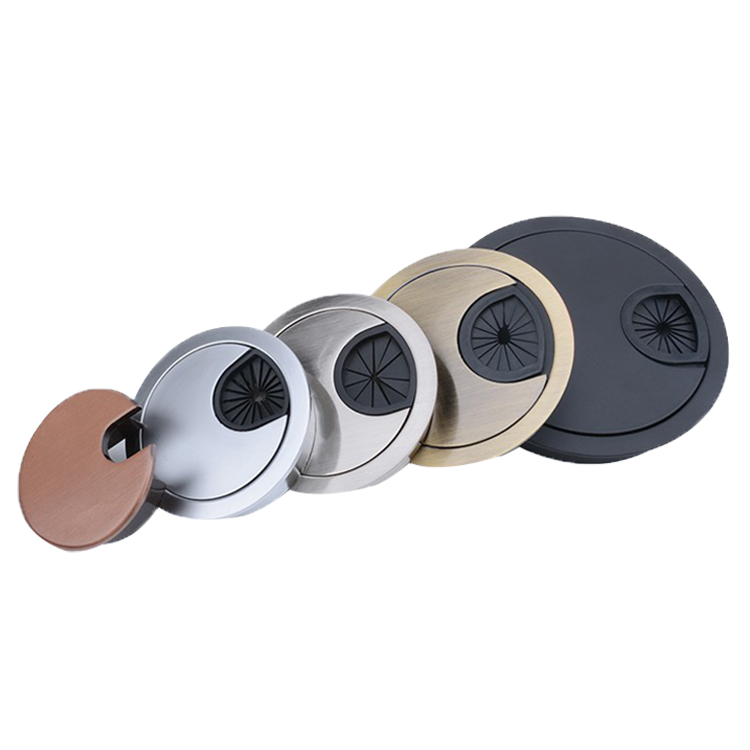
Modern Zinc Alloy 60mm Cable Grommet for Workstations
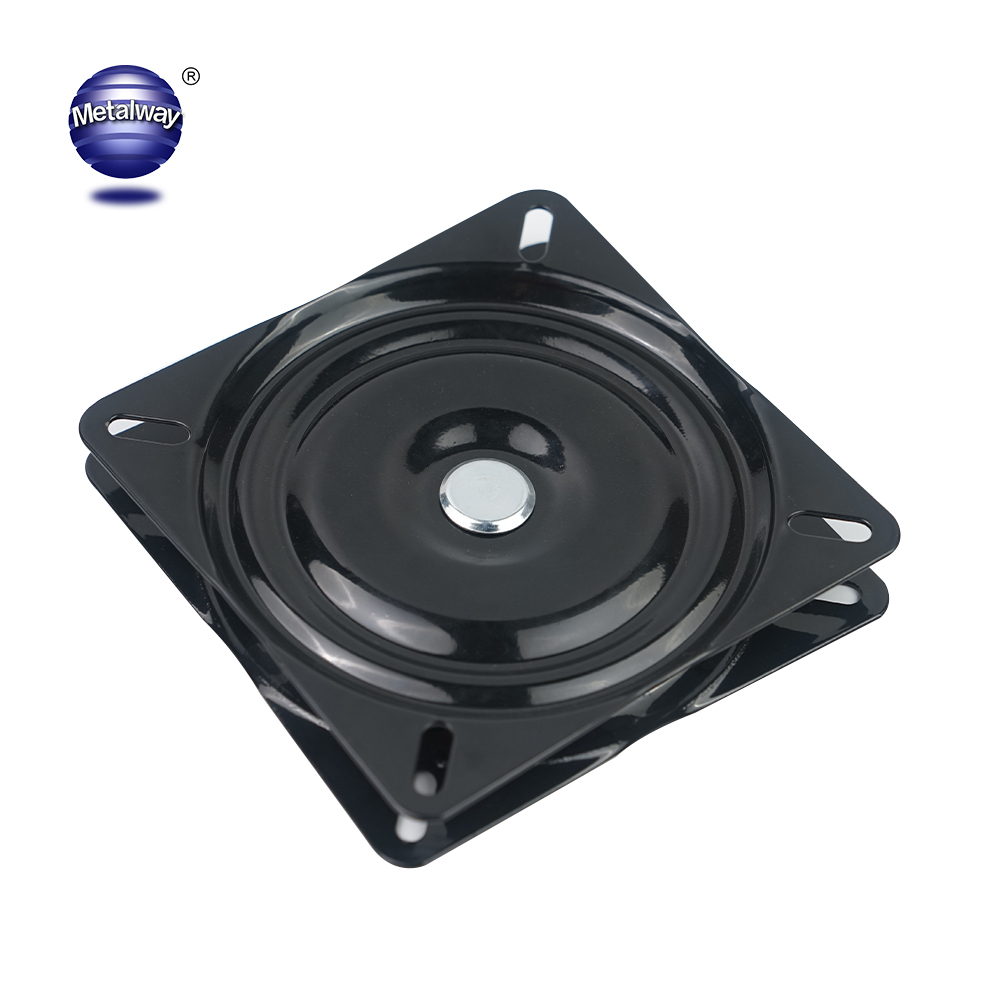
360° Rotating Square Turntable Bearing Swivel Plate
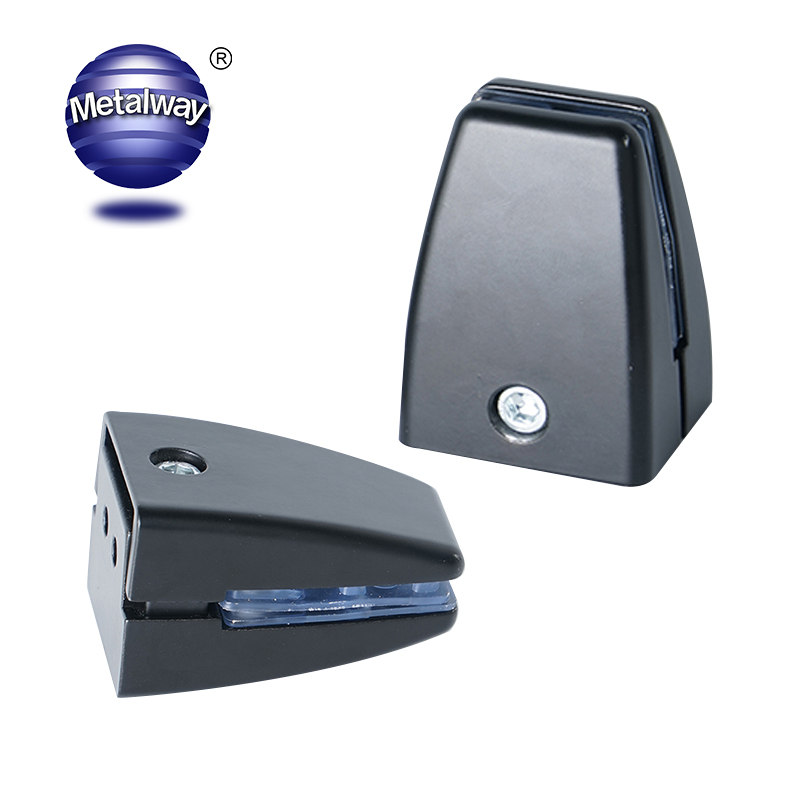
Adjustable Aluminum L-Shaped Desktop Divider Panel Clamp
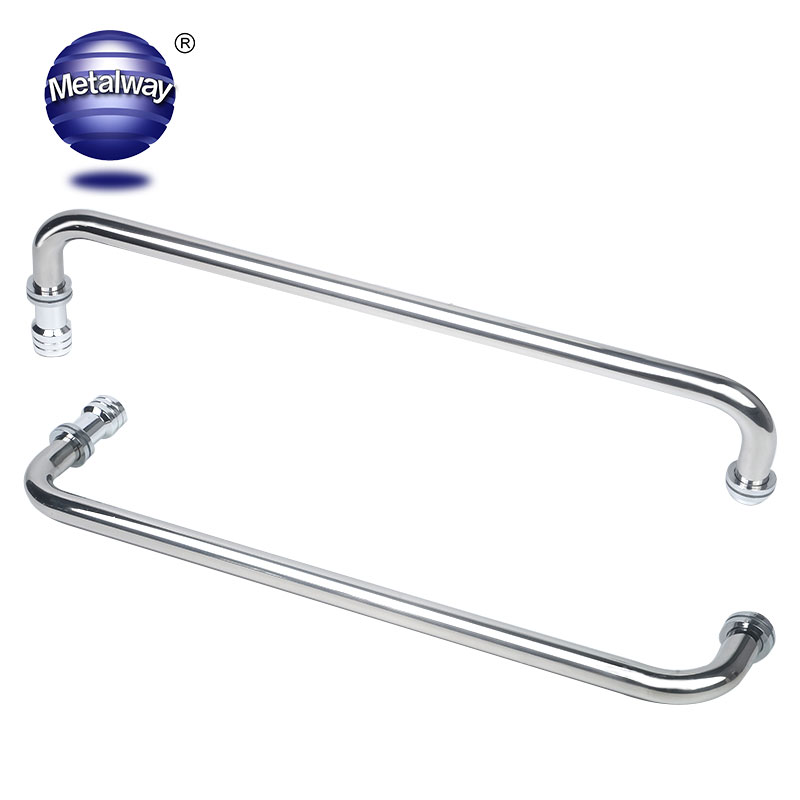
Customizable SUS304 Anti-Corrosion Wall-Mounted Safety Rails
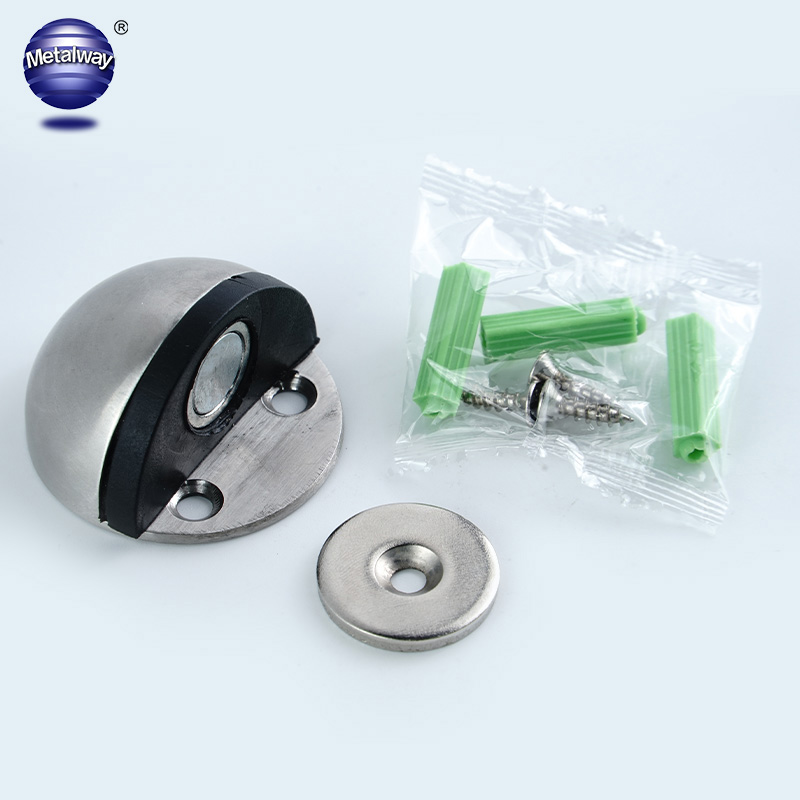
Half Moon Stainless Steel Floor Mounted Rubber Door Stopper
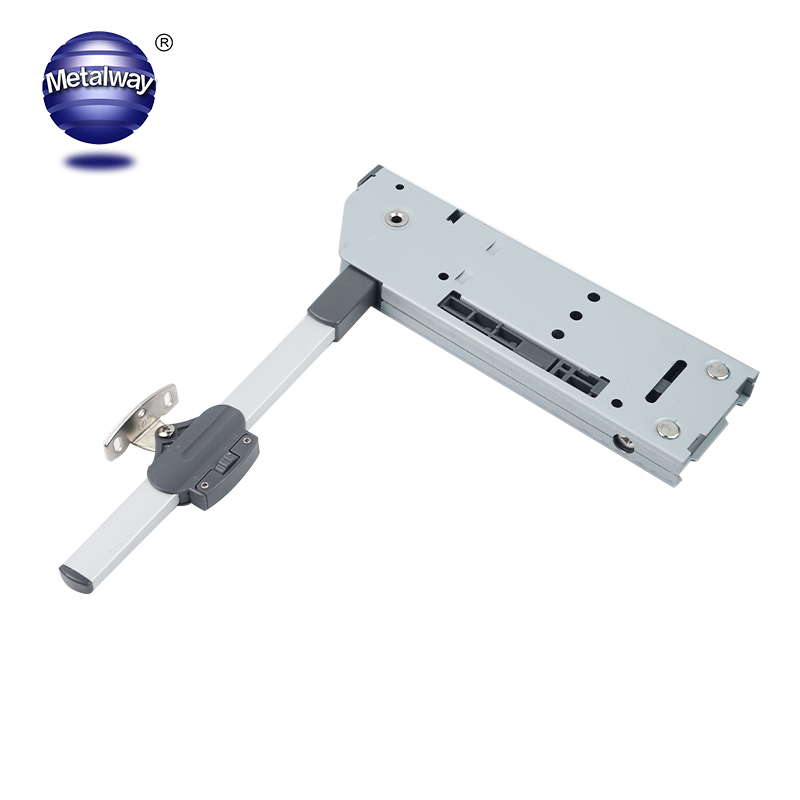
Vertical Swing Bi-Fold Lift-Up Cabinet Mechanism System
Architectural Pivot Kinematics & Mechanical Engineering Whitepaper
In contemporary architectural design and precision millwork engineering, pivot hinges have emerged as the paramount structural solution to overcome the mechanical deficiencies inherent to traditional side-hung butt hinges. Where traditional hinges exert immense, continuous lateral cantilever torque on door frames and jambs, an engineered pivot hinge transfers up to 95% of the total static and dynamic door assembly load directly to the floor substrate. This fundamental mechanical shift eliminates structural door sagging, accommodates expansive leaf dimensions exceeding 1500 mm in width, and easily carries massive architectural slabs weighing upwards of 500 kilograms.
Dynamic Load Vectoring & Radial Bearing Optimization
Industrial pivot assemblies engineered at Foshan EHOME Hardware Co., Ltd. integrate dual-bearing kinematic configurations. The lower pivot assembly functions as the primary thrust component, engineered with specialized duplex stainless steel needle bearings or precision-ground spherical thrust ball bearings. This configuration manages massive vertical axial loads while neutralizing continuous radial rotational friction. In contrast, the top pivot mechanism acts purely as an omnidirectional alignment anchor, engineered with spring-damped guide pins and self-lubricating PTFE or POM bronze bushings to absorb high lateral shear forces without binding or cyclical squeaking.
When specifying hardware for oversized glass partitions, frameless acoustic panels, or revolving commercial entrance portals, engineering teams must evaluate the relationship between the pivot center-point offset and structural leaf clearance. Offset pivot geometries allow deeper door clearance around ornate wall architectural moldings, whereas center-hung concealed pivot systems facilitate seamless double-action (180-degree or 360-degree continuous) rotation with concealed concealed ceiling and floor pockets.
Comparative Metallurgical Matrix for Industrial Pivot Assemblies
Selecting the optimal structural alloy requires balancing Rockwell tensile yield strength, volumetric density, galvanic resistance, and machinability:
| Material Specification | Yield Strength (MPa) | Corrosion Resistance | Ideal Application Scenario | Recommended Surface Finishing |
|---|---|---|---|---|
| Austenitic SUS304 | ≥ 205 - 310 | High (Atmospheric/Moist) | Commercial washrooms, exterior architectural entrances | Brushed Satin, Mirror Polish, PVD Titanium Black/Gold |
| Marine Grade SUS316 | ≥ 290 - 450 | Extreme (Marine/Chloride) | Coastal resorts, yacht cabinetry, swimming pool partitions | Electropolished, PVD Physical Vapor Deposition |
| Zinc Alloy Zamak 5 | ≥ 250 - 280 | Moderate (Internal) | Intricate interior cabinetry, decorative flap mechanisms | Electroplated Chrome, Matte Powder Coating, Antique Brass |
| Extruded 6063-T5 Aluminum | ≥ 145 - 185 | High (Anodized Barrier) | Demountable office divider systems, low-mass kinetic louvers | Anodized Champagne, Hard Anodized Architectural Black |
| Carbon Steel Q235B | ≥ 235 - 345 | Requires Protective Coating | Structural table turntables, heavy sofa swivels, internal frames | Zinc Dichromate, Black Electrophoresis, Powder Coat |
Future Procurement Trends & Architectural Drivers
Analyzing key structural shifts in global architectural hardware procurement, regulatory mandates, and next-generation kinematic mechanism integration.
Fully Concealed Hydraulic Self-Closing
The global building sector is shifting rapidly away from floor box breakers. Specifiers demand ultra-compact hydraulic pivot mechanisms integrated entirely within the bottom door leaf profile, eliminating floor excavation while meeting ADA barrier-free closing force requirements.
Multi-Axis In-Situ Calibration
Post-installation settling poses severe aesthetic and functional risks for monolithic door leaves. Modern B2B procurement mandates true 3D micro-adjustability (depth ±3mm, lateral ±3mm, vertical ±4mm) accessible via discreet hex-key adjustment screws without unhanging the door assembly.
Consolidated Hardware Sourcing
Importers and commercial builders are aggressively decoupling from fragmented niche vendors. Consolidating architectural pivots, furniture legs, cabinet handles, and structural glass clamps within a single verified Foshan manufacturing partner drives down ocean freight waste and lowers SKU defect overhead.
Foshan EHOME Hardware: Industrial Capabilities & OEM/ODM Verification
Operating in the epicenter of South China's architectural hardware cluster in Foshan, Foshan EHOME Hardware Co., Ltd. brings over 13 years of specialized hardware manufacturing and export engineering excellence. Verified on-site by international testing authority TÜV Rheinland, our modern manufacturing facility bridges the gap between precision CAD/CAM engineering and high-volume mass production.
Integrated Manufacturing Floor & In-House Tooling
Our vertically integrated production framework guarantees micro-millimeter tolerance control from raw unformed metal stock through final export packaging. With in-house automated shearing machines, precision punch stamping presses, solid-joint TIG/MIG welding cells, robotic surface grinders, and multi-axis CNC lathe stations, we execute customized tooling turnarounds for complex OEM/ODM projects within 15 to 25 business days.
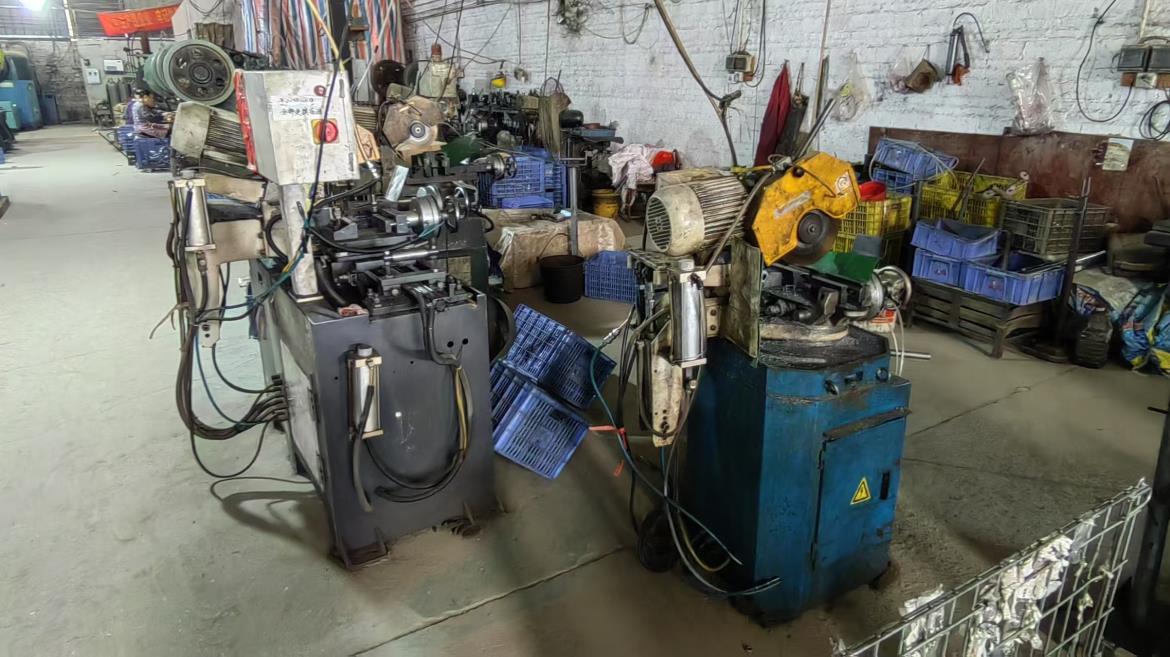
Precision Cutting Cells
Automated raw stock cutting maintaining ±0.1mm dimensional tolerance.
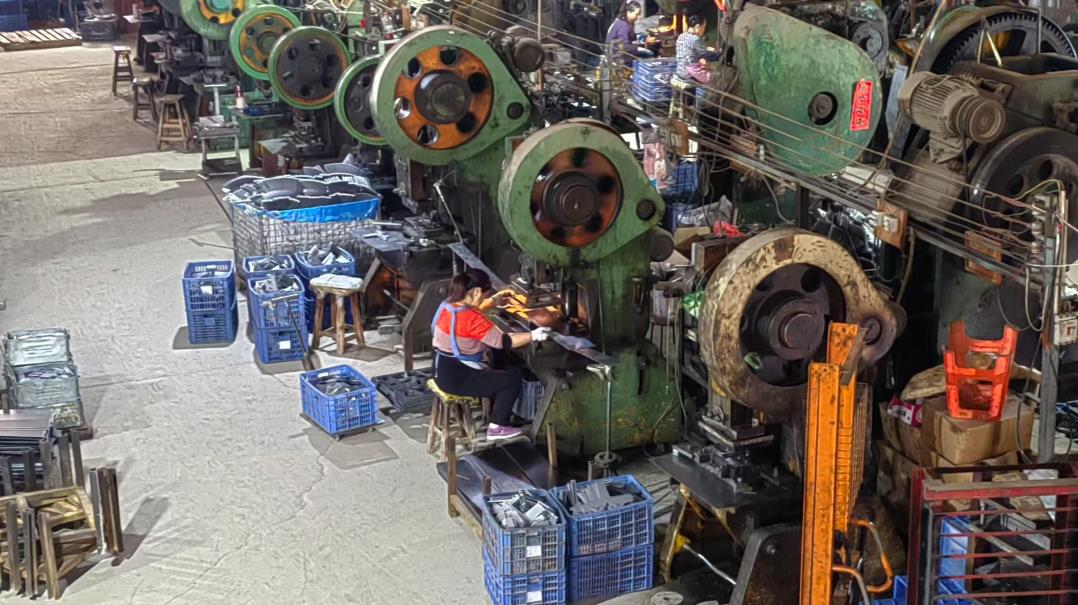
Progressive Stamping
Heavy tonnage die-stamping for high-durability hinge leaves and structural plates.
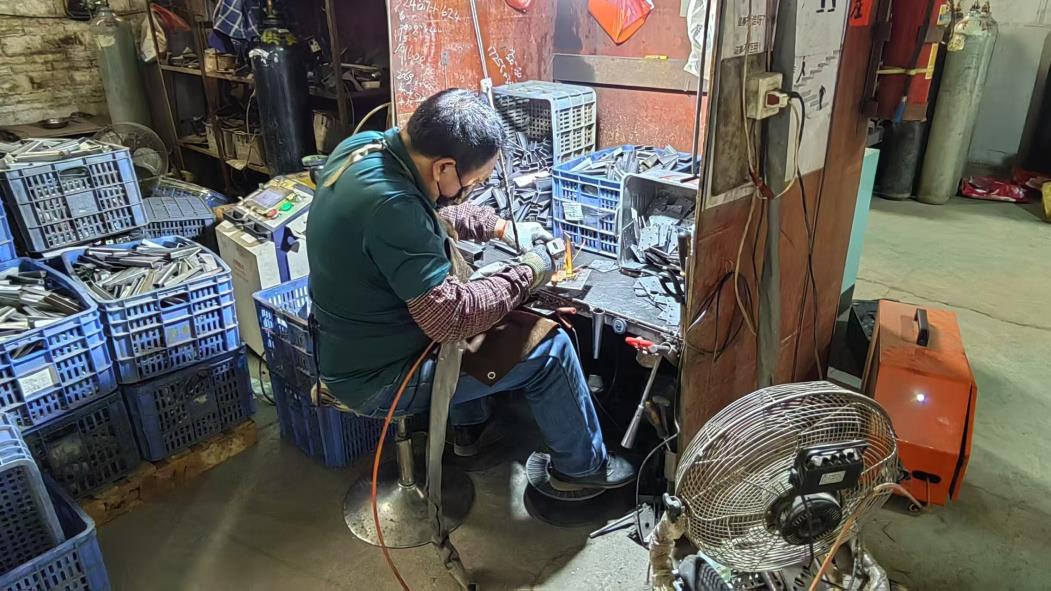
Structural Welding
High-integrity TIG/MIG joints preventing weld fatigue under heavy dynamic moment torque.
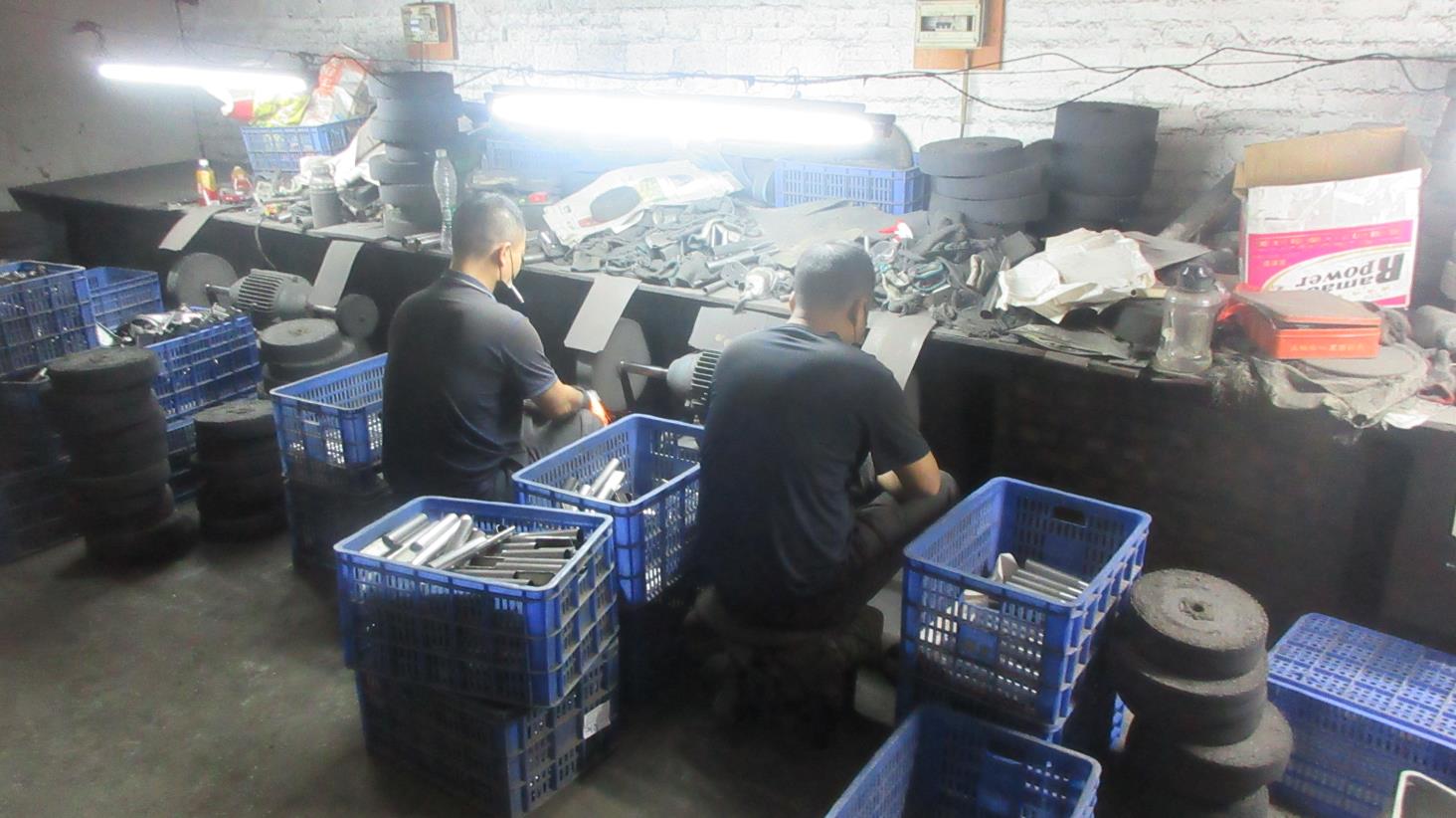
Multi-Stage Polishing
Automated mirror buffing and hairline satin brushing prior to electroplating or PVD.
Technical FAQs for Hardware Buyers & Engineers
Direct technical answers addressing installation mechanics, minimum order quantities, testing standards, and custom metallurgy configurations.
Engineer Your Custom Pivot Solutions With Foshan EHOME
Consult with our engineering and export team today. Submit your structural drawings, annual procurement projections, or bespoke finish requirements for rapid quote generation and sample coordination.
Contact Us