Shelf Support
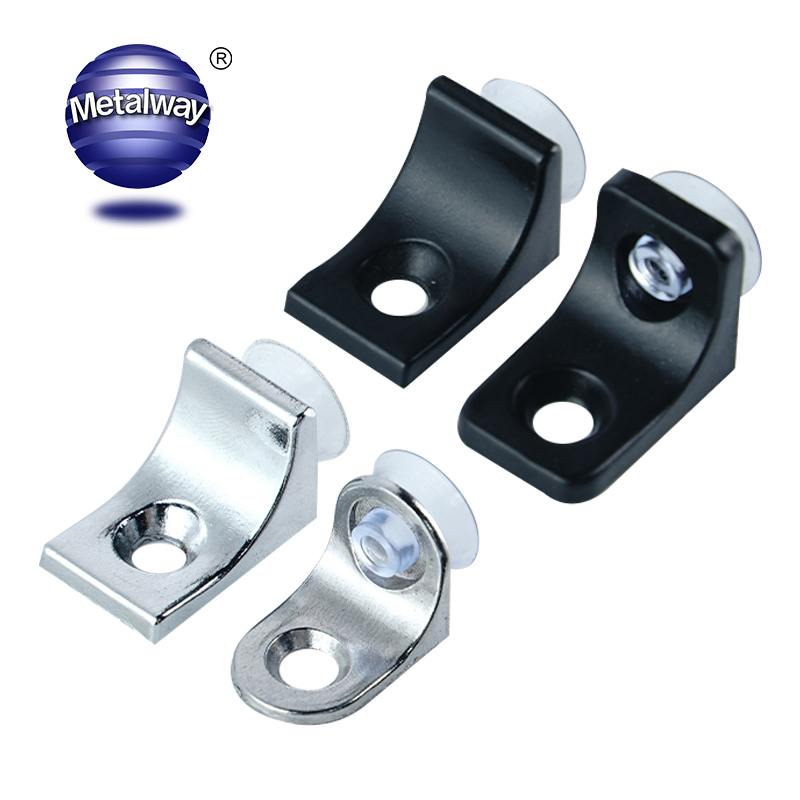
Factory-calibrated hardware engineered for heavy commercial loads, structural integrity, and architectural aesthetic harmony.
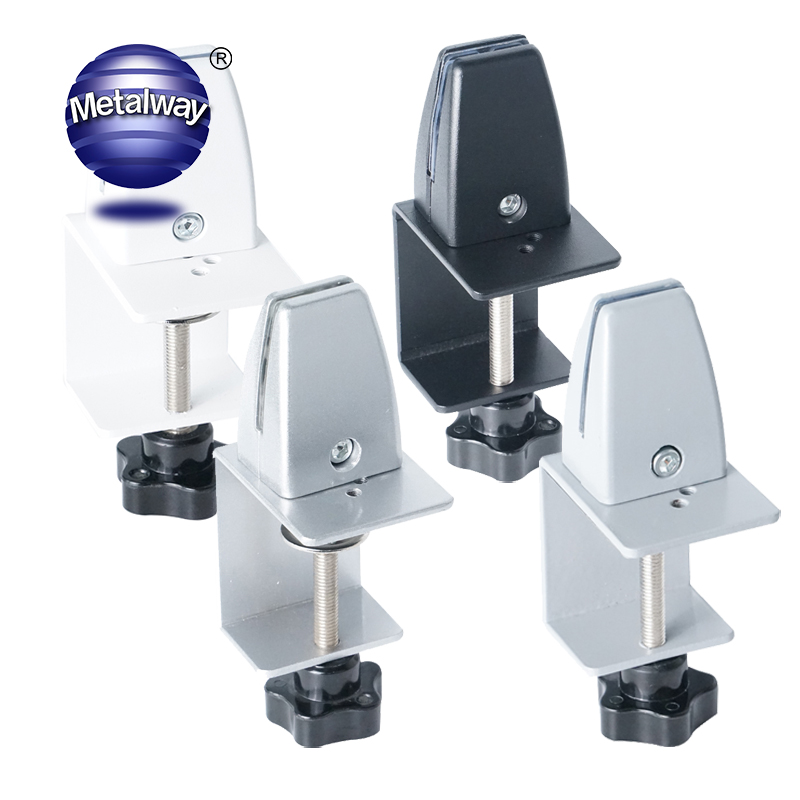
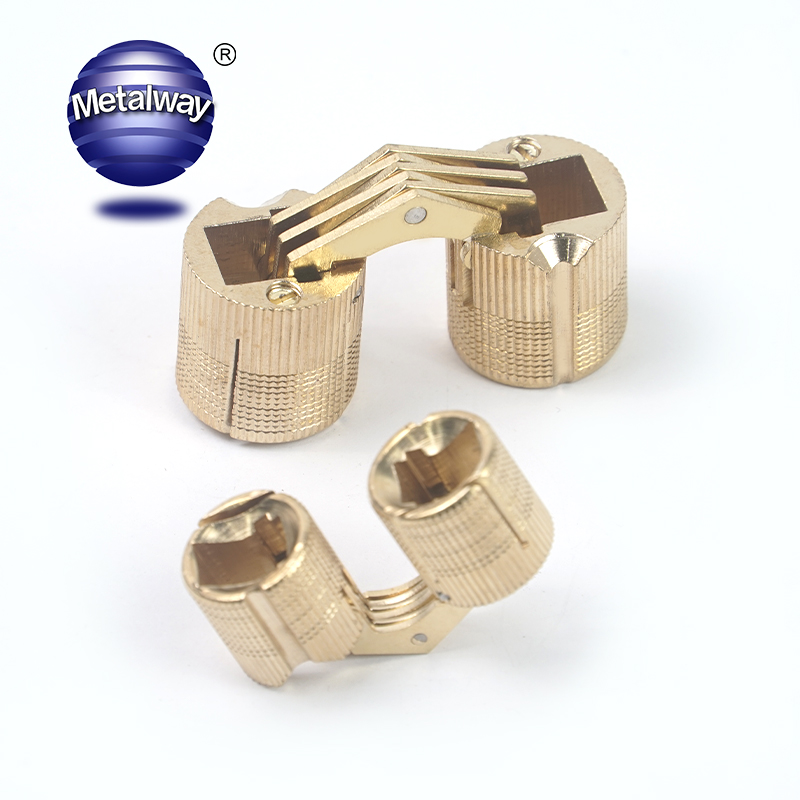
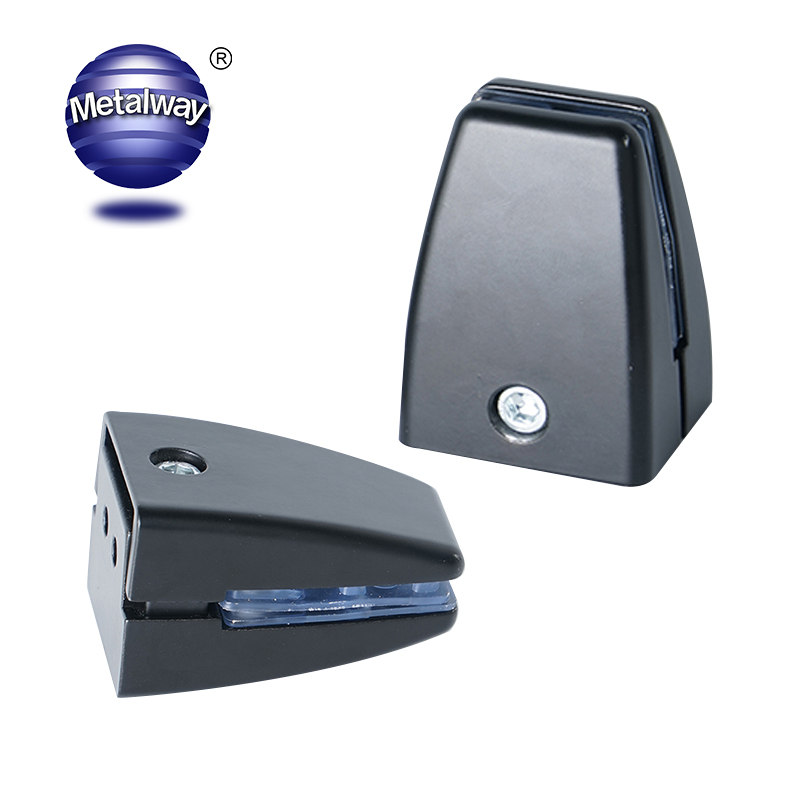
Sourcing architectural furniture legs requires strict adherence to metallurgical tolerances, surface passivation, and dynamic weight load certifications.
High-grade suppliers avoid scrap remelting. Whether deploying structural carbon steel, extruded 6063-T5 aluminum, or Zamak 3 alloys, raw billets must comply with ASTM chemical limits. Coffee table legs require minimum wall thicknesses of 1.5mm to 2.5mm to prevent catastrophic shear or bending during dynamic point-load impacts.
Surface integrity protects visual appearance and functional life. Leading factories execute complete automated pre-treatment: degreasing, ultrasonic cleaning, and acid deoxidation before electroplating or electrostatic powder coating. Certified suppliers run ASTM B117 neutral salt spray testing exceeding 48 to 96 hours without micro-pitting or bubbling.
Manual welding creates uneven heat-affected zones (HAZ) and spatter defects. Top manufacturers utilize 6-axis robotic MIG/TIG welding workstations to produce continuous seams between top mounting flanges and tubular or profiled leg uprights. This prevents vibration fatigue and weld cracking under heavy marble or stone slabs.
How evolving interior ergonomics, circular economy requirements, and mixed-material architectural styles are redefining the global supply chain.
The modern residential living room frequently doubles as an executive work station. Fixed-height table architecture is rapidly giving ground to smooth, counterbalanced pneumatic lift-top structures and telescopic leg columns. Commercial hospitality brands are sourcing furniture legs that integrate silent gas dampers, allowing rapid transition from coffee table lounge heights (450mm) to functional dining or collaborative computing altitudes (650mm - 720mm) without visible cables or intrusive scissor arms.
With the implementation of strict European EPR (Extended Producer Responsibility) directives and ESG mandates, furniture legs permanently welded to frames are being phased out. Enterprise buyers now mandate modular, mechanical fastener connections that allow full disassembly for raw material recycling at end-of-life. Additionally, traditional cyanide plating is being replaced by environmentally stable Physical Vapor Deposition (PVD) titanium vaporization, yielding ultra-hard anti-scratch finishes in satin brass, champagne gold, and gunmetal grey.
Analyze mechanical limits, corrosion properties, and manufacturing viability across primary alloys before finalizing your custom tooling.
| Alloy Classification | Yield Strength (MPa) | Corrosion Resistance | Optimal Aesthetic Finishes | Recommended Sourcing Scenarios |
|---|---|---|---|---|
| Austenitic SUS304 | ≥ 205 | Superior (Grade A) | Satin Hairline, Mirror Polish, PVD | Outdoor patios, marine resorts, high-humidity luxury hotel environments. |
| Extruded 6063-T5 Alum | ≥ 145 | High (Self-Passivating) | Anodized Matte, Fine Powder Coat | Lightweight knock-down tables, modular frames, minimalist linear profiles. |
| Zamak 3 (Zinc Alloy) | ≥ 208 | Moderate to High | Mirror Chrome, Antique Brass, Nickel | Complex 3D organic geometry, sculptured corner junctions, decorative end caps. |
| Structural Carbon Steel (Q235) | ≥ 235 | Requires Barrier | Epoxy Powder Coating, Electroplate | Heavy sintered stone or solid marble tops, hairpin legs, high-volume budgets. |
| Solid Extruded C3604 Brass | ≥ 310 | High Natural Passivation | Hand Brushed, Clear Electrophoretic | Ultra-luxury residential collections, statement furniture, bespoke hotel suites. |
Integrated manufacturing within China’s prime industrial furniture cluster gives our buyers distinct supply-chain efficiencies.
Combine coffee table legs, cabinet handles, concealed barrel hinges, gas lift mechanisms, and glass clamps into a single container order to reduce logistics overhead and simplify documentation.
Our manufacturing plant, tooling capacity, and operational workflows are independently audited and certified on site by TÜV Rheinland, providing complete verification for enterprise risk assessments.
Send CAD, STP, or initial physical samples. Our product engineering team handles complete mold flow analysis, rapid prototyping within 7 days, and custom extrusion tooling for bespoke furniture collections.
From spectrographic raw alloy analysis to micrometer dimensional tolerance verification and drop-test packaging certification, our QC team inspects every production run before dispatch.
Technical solutions, minimum order structures, packaging certifications, and supply chain timelines answered by our manufacturing team.
Consult directly with our Foshan product engineers. Share your technical drawings, expected load ratings, or specific finish requirements to receive an itemized DFM review, sampling plan, and direct export quotation within 24 hours.
Contact Us