Factory-Direct Hardware Systems & Components
Direct supply solutions evaluated on cycle longevity, fatigue endurance, and architectural finishing compatibility.
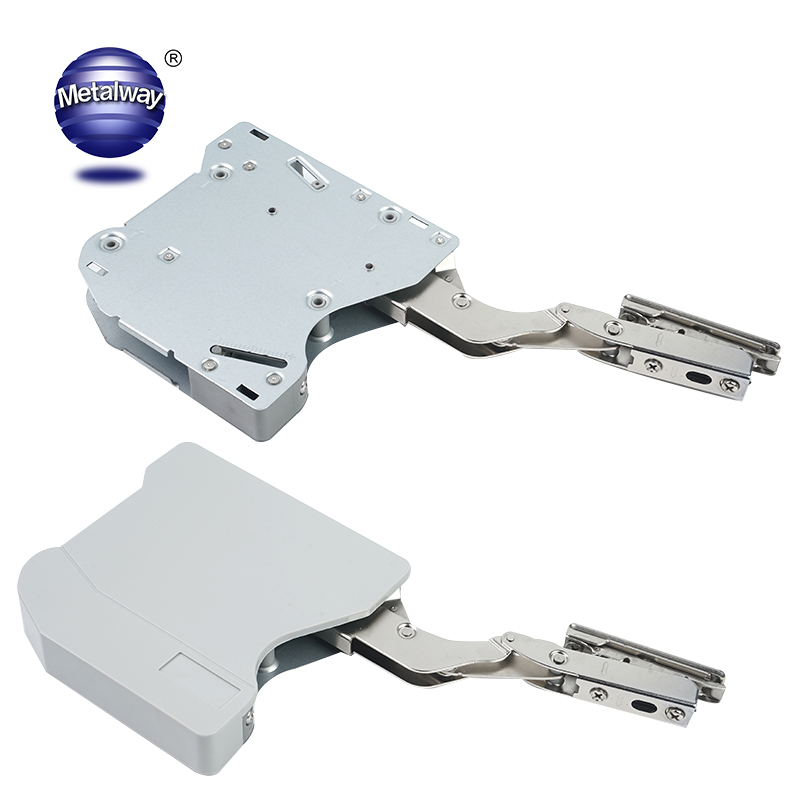
Cycle Rating: ≥ 50,000 Action Cycles
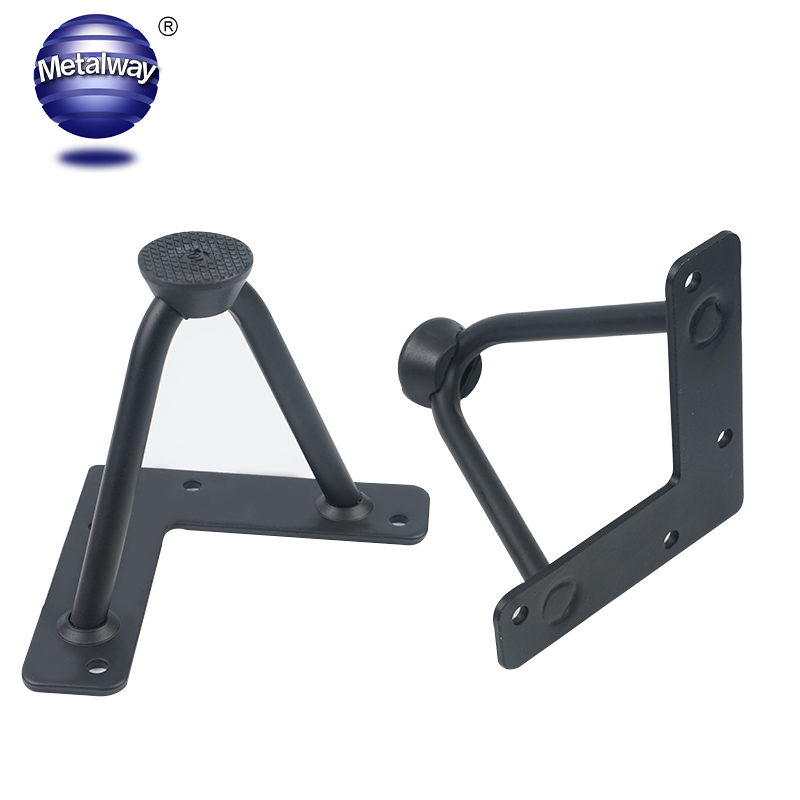
Finish: Satin Black / Electrophoretic Coat
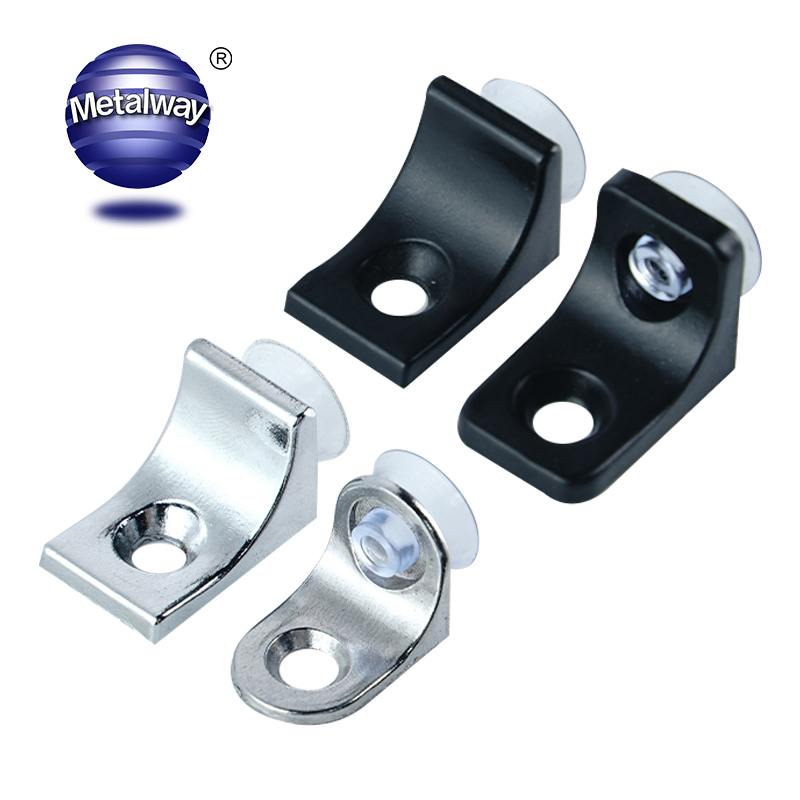
Corrosion: 48h Neutral Salt Spray Validated
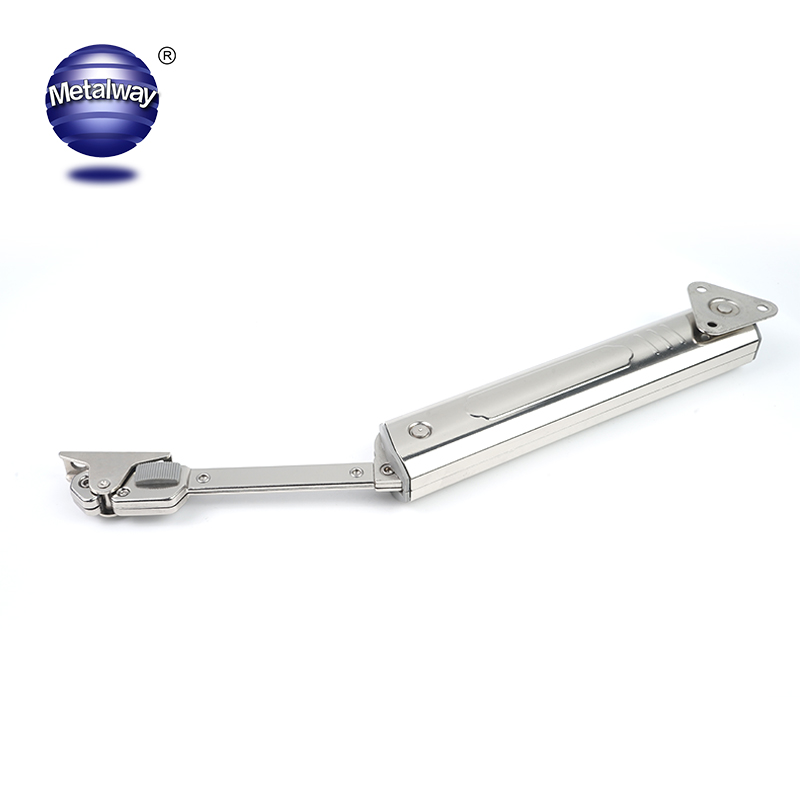
Kinematics: Multi-Angle Stop Integration
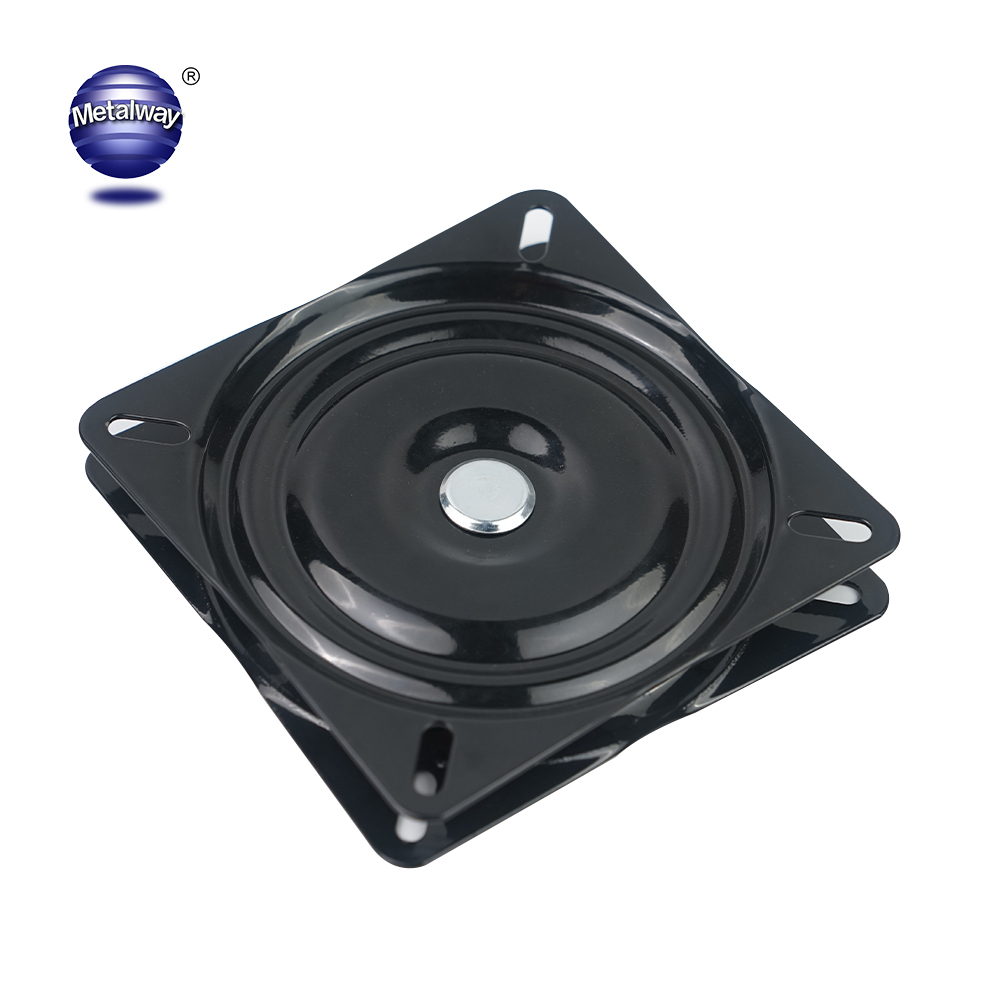
Torque: Zero-Wobble Controlled Resistance
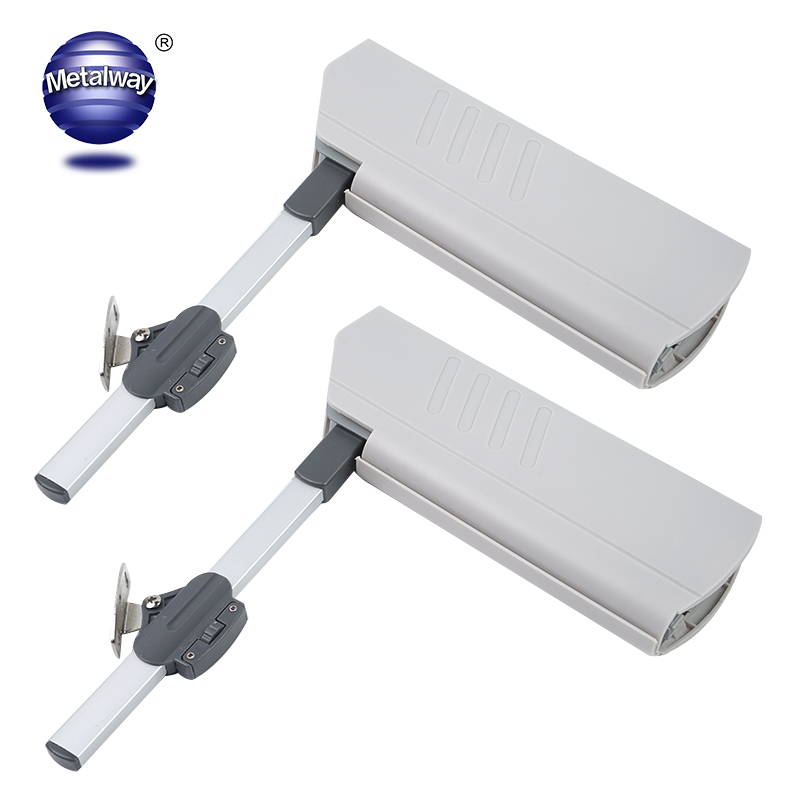
Damping: Hydro-Pneumatic Smooth Return
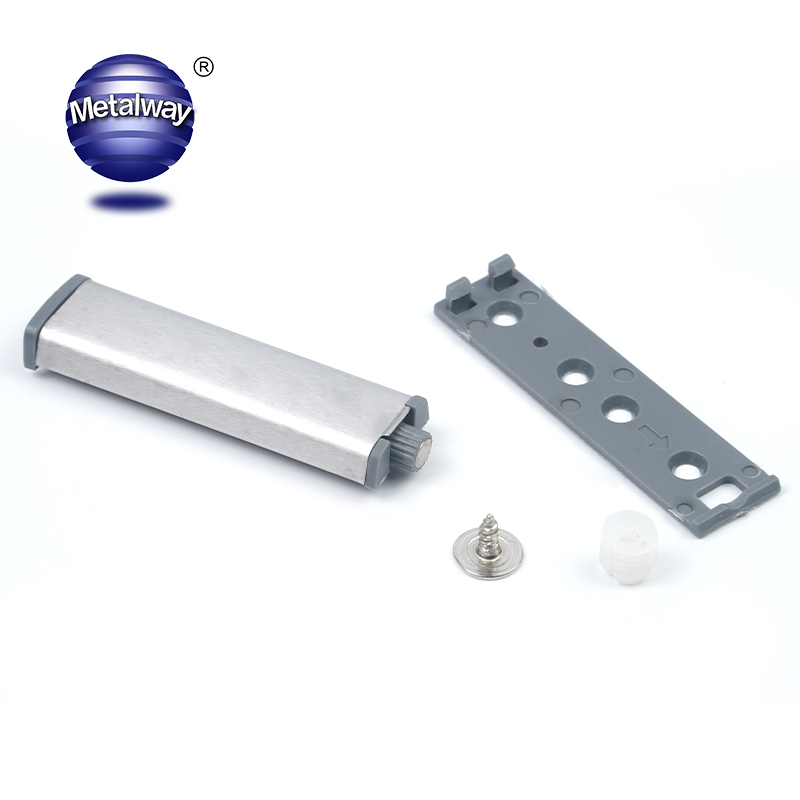
Spring Fatigue: Over 80,000 Ejections
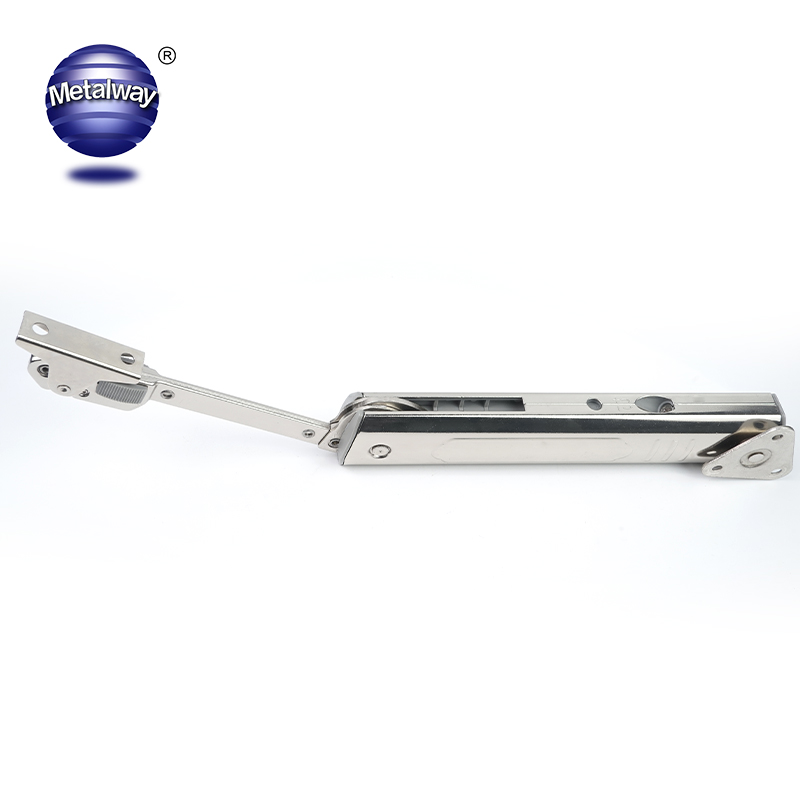
Application: Architectural Millwork
Global Manufacturer Evaluation & Procurement Benchmark
A methodical analysis of primary Tier-1 metal furniture feet suppliers across mechanical tolerance, alloy metallurgy, and process reliability.
In the global furniture manufacturing and architectural hardware procurement ecosystems, selecting the right metal furniture feet manufacturer is no longer simply an aesthetic or cost-per-unit decision. Modern contract furniture—ranging from commercial office configurations to heavy-duty residential upholstery and healthcare cabinetry—places immense mechanical shear, compression, and corrosion resistance demands on substructural metal hardware. When evaluating the Top 10 Metal Furniture Feet Manufacturers & Factories across China, Italy, Germany, and North America, enterprise procurement officers must scrutinize metallurgical composition, automated cold-forming precision, robotic welding integrity, and chemical electroplating thickness.
The manufacturing landscape has stratified into three main tiers. Tier 1 encompasses high-precision, vertically integrated fabrication facilities (predominantly clustered around industrial epicenters like Foshan, Guangdong) capable of managing stamping, laser cutting, CNC lathe turning, die-casting, and electroplating under rigorous internal ISO-aligned quality management regimes. Tier 2 consists of specialized assembly hubs reliant on decentralized sub-tier casting and plating workshops, which frequently introduces variations in wall thickness and salt-spray resistance. Tier 3 includes trading consolidators with minimal direct technical accountability. Understanding these metallurgical and structural baselines empowers B2B buyers to mitigate supply chain disruptions and product liability risks.
| Manufacturer Classification | Primary Alloys Handled | Wall Thickness Tolerance | Salt Spray Standard (NSS) | Typical OEM Minimums | Engineering Suitability |
|---|---|---|---|---|---|
| Integrated Foshan Industrialists (e.g., EHOME) | SUS304, Cold-Rolled Carbon Steel, Zamak-3 Zinc | ±0.05 mm (CNC Stamped) | 72h – 120h (PVD / Multi-layer) | 200 – 1,000 pcs (Flexible) | High-load hospitality, architectural millwork, modular upholstery |
| Boutique Northern Italian Ateliers | Solid Extruded Brass, Cast Bronze, SUS316 | ±0.02 mm (Turned Rod) | 96h (Hand-Patinated Clear Coat) | 1,000+ pcs (Rigid tooling) | Luxury bespoke residential, gallery contract editions |
| Central European Automation Specialists | Stampline Carbon Steel, Cast Aluminium EN AC-46000 | ±0.08 mm (High-speed punch) | 48h – 72h (Standard Powder Coat) | 5,000+ pcs (Automated runs) | RTA mass retail desks, standardized ergonomic workbenches |
| Generic Assemblers & Sourcing Brokers | Recycled Iron Scrap, Secondary Zinc Scrap | ±0.25 mm (Manual Brake) | 24h (Flash Plated) | Variable / Unpredictable | Low-budget promotional furniture, short-lifecycle displays |
For contract furniture engineers and high-volume cabinet manufacturers, specifying the right balance between raw material tensile yield and decorative finishing longevity determines customer satisfaction. For example, hairpins and conical sofa legs engineered from hot-rolled scrap steel suffer from micro-porosity and inconsistent crystalline grain boundaries, leading to bracket shear failures when lateral forces (dynamic dragging) exceed 1.8 kN. Conversely, cold-drawn mild steel rod (e.g., Q235B) coupled with continuous robotic MIG/TIG welding along a 3.0 mm cold-stamped mounting plate guarantees static load integrity surpassing 350 kg per leg assembly.
Future Sourcing & Procurement Trends in Metal Hardware
Actionable forecasting for global purchasing managers navigating the 2025–2030 macro hardware landscape.
Near-Zero Carbon & Recycled Metallurgy
Global architectural standards (LEED v4.1, BREEAM) are compelling corporate furniture brands to demand certified Post-Consumer Recycled (PCR) content in all zinc alloy and aluminum extrusions without sacrificing tensile strength or plating adhesion.
Modular Multi-Substrate Attachment
Procurement teams are shifting away from static, single-use leg brackets toward modular click-and-lock sub-base systems. These systems allow end-users or assembly crews to swap conical, hairpin, and square profile legs without re-drilling the core wooden or metal carcass.
Ultra-Resilient PVD & Antimicrobial Finishes
Driven by commercial and clinical interior mandates, traditional electroplating is evolving toward Physical Vapor Deposition (PVD) titanium nitriding and antimicrobial zinc passivation layers that resist harsh institutional quaternary disinfectants.
Product Engineering & Mechanical Development Trends
How cutting-edge factories are adapting production machinery to solve modern load-bearing challenges.
Integrated Micro-Leveling Kinetics
Architectural interior slabs in modern urban developments rarely exhibit absolute floor planarity. The market demands furniture feet with fully integrated, concealed dynamic levelers composed of high-strength POM footpads and brass M8/M10 threaded shafts to eliminate floor scratching and rocking.
Hybrid Casting & Extrusion Geometries
Traditional manufacturing restricted legs to tubular rolls or solid bent bars. Modern factories combine die-cast zinc mounting knuckles with seamless cold-drawn aluminum alloy bodies, maximizing stiffness-to-weight ratios while allowing fluid, organic curves.
Electrified & Cable-Integrated Architectural Stems
With smart furniture expansion, commercial meeting tables and living room cabinetry require metal support legs that double as concealed raceways for USB-C, inductive charging, and IoT wiring, demanding internal chamfered deburring and fire-safe conduit conduits.
Why Global Importers Partner with Foshan EHOME Hardware
Established in the heart of China's primary hardware manufacturing capital, Foshan EHOME Hardware Co., Ltd. combines 13 years of precision engineering mastery with advanced multi-category consolidation capabilities. Our vertically integrated production model eliminates third-party markups while safeguarding tolerances across every batch.
- TÜV Rheinland Audited Facility: Complete transparency with on-site verified tooling, testing equipment, and capacity metrics.
- End-to-End Vertical Quality Control: Strict dual-stage inspection—spectrometric raw material validation before stamping, and 100% surface inspection prior to export packing.
- Full OEM/ODM Engineering: Rapid prototyping from technical CAD/SolidWorks drawings within 7 business days, with bespoke tooling turnaround.
- Consolidated Container Logistics: Streamline furniture legs, cabinet pulls, pneumatic lid stays, and hinges under one purchase order and unified bill of lading.
Frequently Asked Questions on Metal Furniture Feet Procurement
Straightforward technical answers to assist procurement directors, quality engineers, and international importers.
1. Which metal alloy provides the highest load-to-cost ratio for commercial furniture feet?
Cold-rolled mild steel (Grade Q235B) provides the highest load-to-cost efficiency for heavy static upholstered sofas and large banquets. For complex sculptural shapes or moisture-prone spaces, die-cast Zamak-3 zinc alloy or extruded 6063-T5 aluminum alloy offers superior corrosion immunity and precision aesthetic finishes, albeit at a moderate price premium.
2. What minimum electroplating specifications prevent premature rust in coastal transit and humid markets?
For standard dry indoor furniture, a multi-layer nickel (10–12 μm) plus decorative chrome (0.2–0.3 μm) plating barrier passing 48 hours of Neutral Salt Spray (ASTM B117 / ISO 9227) is standard. For coastal regions or commercial dining environments subject to wet mopping, we mandate a copper undercoat (15 μm) followed by dual-layer nickel and protective organic sealant, achieving 96 to 120 hours NSS resistance.
3. How do you prevent thread stripping on internal leveling glides during heavy dynamic loading?
Thread stripping occurs when factories tap threads directly into thin sheet metal. At EHOME, our leveling mechanisms feature cold-extruded threaded collars or robotically welded carbon steel lock nuts with at least 5 to 6 full thread engagements (M8/M10), supporting lateral drag loads exceeding 2.2 kN without stripping.
4. What is the typical lead time and tooling turnaround for custom OEM furniture leg profiles?
Standard design samples are dispatched within 5 to 7 business days. For customized OEM/ODM projects requiring dedicated stamping dies or zinc alloy casting molds, tooling creation and initial First Article Inspection (FAI) sample delivery take 20 to 25 calendar days, followed by 15 to 35 days for mass container production.
5. Can multi-category SKUs be consolidated into a single factory shipment?
Yes. As a verified Foshan hardware manufacturer with cross-category production lines spanning furniture legs, cabinet handles, hydraulic support stays, and glass architectural fittings, we routinely consolidate diverse product categories into single LCL or FCL shipments, drastically cutting customs clearance expenses and overseas freight handling costs.
Optimize Your Hardware Sourcing Supply Chain Today
Consult with our senior technical engineering team to obtain direct factory quotations, material mill test certifications, or custom prototyping for your contract manufacturing requirements.
Send an Inquiry