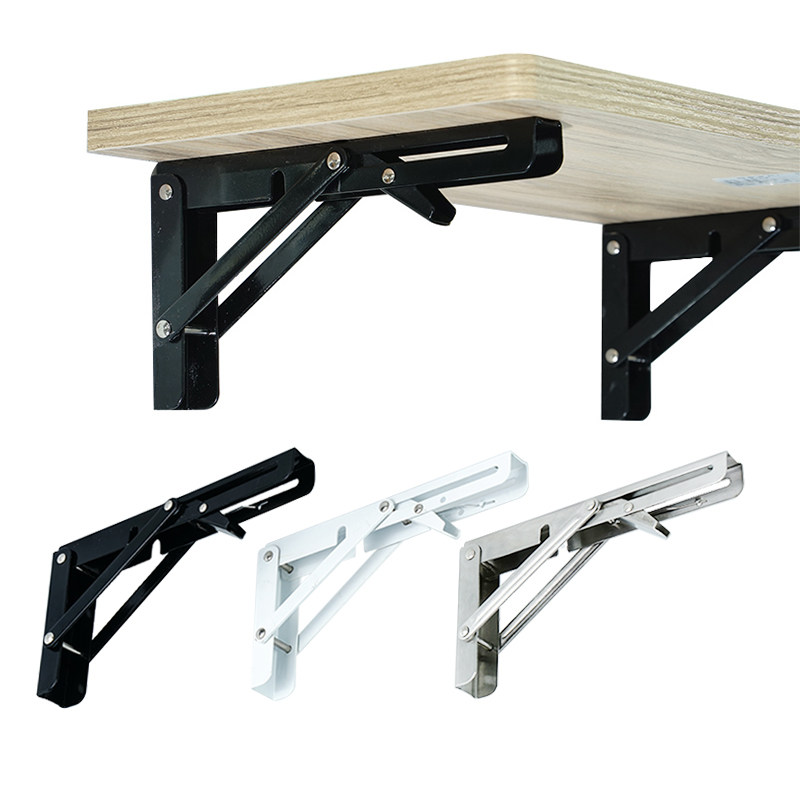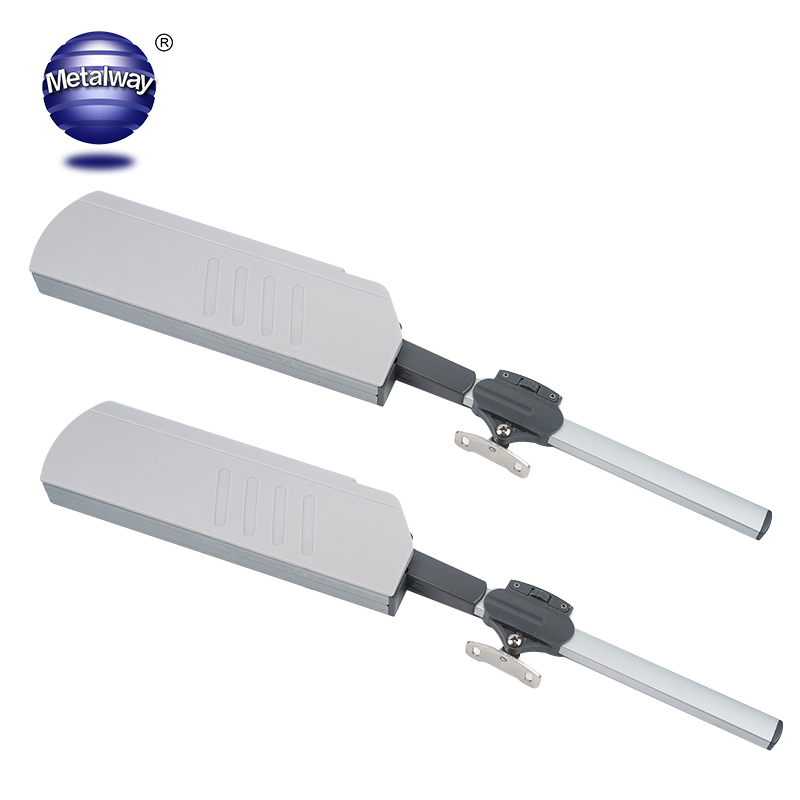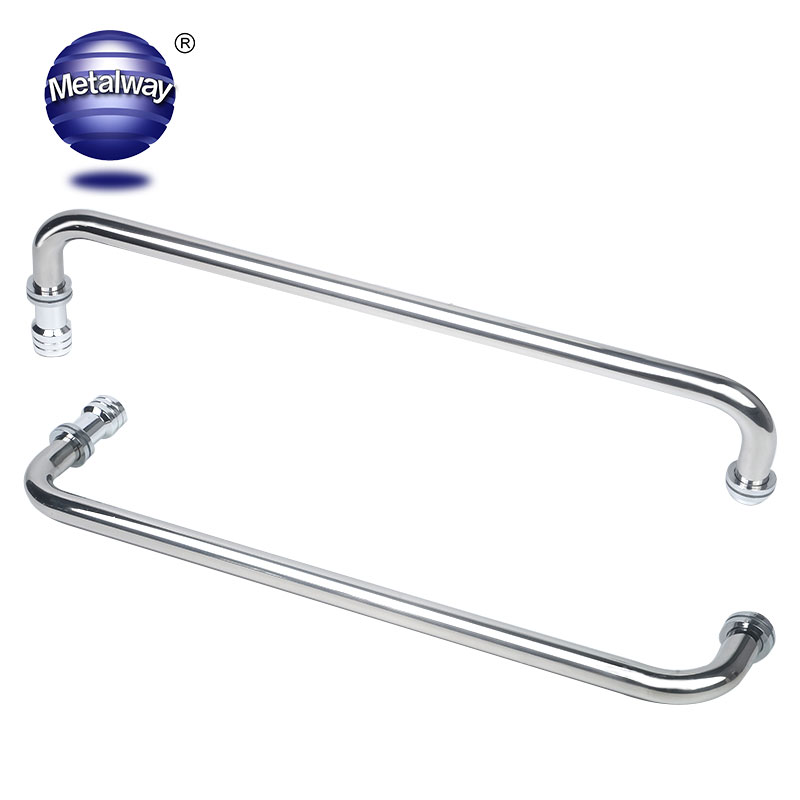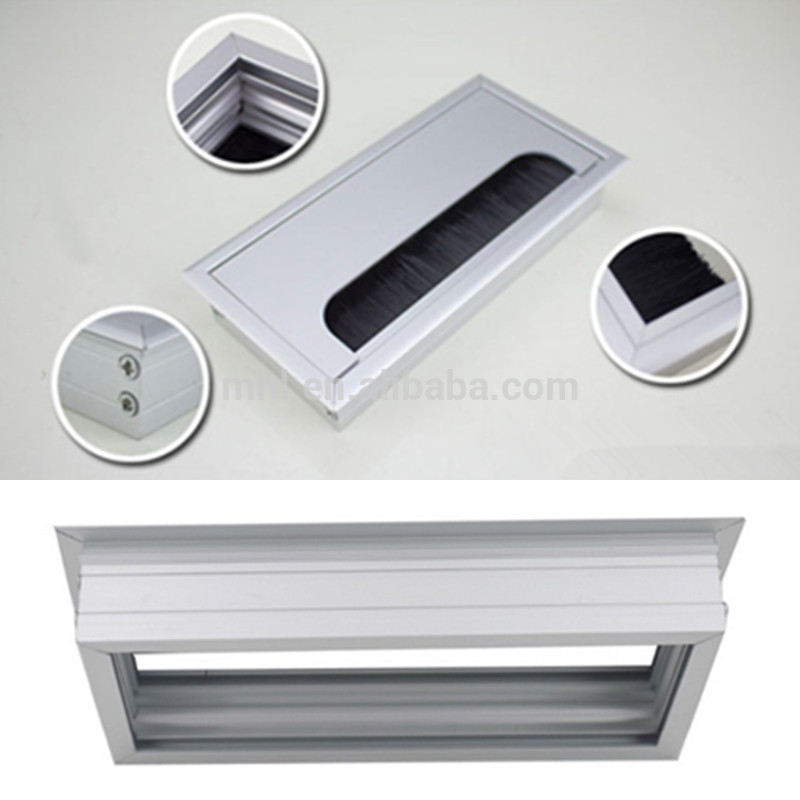
Engineered for high-traffic commercial partitions, architectural cabinetry, modular workstations, and luxury residential projects. Every assembly is subjected to strict dimensional and torque testing.
A comprehensive procurement guide detailing alloy purity, load vectors, anti-friction bearing integration, and accelerated salt-spray life expectancies.
Our brass hinges are engineered exclusively from high-density solid extruded billets (Cu 57-60%, Pb 0.8-1.9%, balance Zn). Extrusion eliminates internal porosity, blowholes, and micro-fissures common to sand-cast and low-pressure zinc-pot alloys, yielding a minimum tensile strength of 440 MPa.
High-traffic commercial doors require zero vertical sag over time. We engineer our brass butt hinges with dual or quadruple high-carbon chromium steel (GCr15) or marine-grade SUS304 ball-bearing races enclosed inside precision-machined brass knuckled caps with synthetic fluoropolymer seals.
Surface treatments withstand high humidity, coastal saline air, and abrasive cleaning agents. Utilizing multi-arc Physical Vapor Deposition (PVD) titanium plating and cross-linked electrophoretic clear lacquering, our architectural brass hinges achieve over 480 hours in neutral salt spray tests (ASTM B117).
| Hinge Manufacturing Technology | Tensile Strength (MPa) | Cycle Fatigue Rating (EN 1935) | Corrosion Resistance | Commercial Application Scope |
|---|---|---|---|---|
| Solid Extruded Brass (EHOME Standard) | 420 - 480 MPa | Grade 14 (200,000+ Cycles) | Superior (ASTM B117 > 480 hrs) | Heavy-duty commercial, luxury hotels, marine, high-rise fire doors |
| Die-Cast Zinc Alloy (Zamak 3/5) | 260 - 310 MPa | Grade 7 to 9 (40,000 Cycles) | Moderate (Intergranular corrosion risk) | Light residential internal doors, light cabinetry, economy fit-outs |
| Cold-Rolled Carbon Steel | 340 - 400 MPa | Grade 11 (100,000 Cycles) | Poor (Prone to oxidation if plating is compromised) | Dry interior architectural doors, utility spaces, general casework |
| Pressed Brass Leaf (Stamped Sheet) | 300 - 360 MPa | Grade 9 (50,000 Cycles) | High (Subject to knuckle deformation under high shear) | Medium-duty residential millwork, vanity doors, decorative shutters |
Key technological, regulatory, and aesthetic shifts shaping specifications for developers, wholesalers, and hardware procurement executives.
Architects are shifting away from traditional butt hinge profiles in favor of fully concealed brass cylinder hinges with 3-way adjustability (±2.5mm vertical, horizontal, and depth). This satisfies minimal shadow-gap wall designs without sacrificing the structural load capacity of heavy timber, acoustic, or security panels.
Global green building standards (LEED v4.1, BREEAM) require certified low-carbon manufacturing. Because brass is 100% recyclable without down-cycling its molecular characteristics, Tier-1 property developers specify closed-loop brass scrap reclamation systems during factory extrusion sourcing.
Safety regulations demand verified melting-point hardware on escape corridors. Extruded architectural brass, boasting a thermal melting threshold exceeding 900°C, remains stable in high-temperature conditions where aluminum or zinc castings deform, ensuring positive latching integrity during critical fire emergencies.
Interior design demands specialized aesthetics: Satin Brass, Living Antique Bronze, Gunmetal Grey, and Raw Brushed Gold. Importers are consolidating custom finishing with certified exporters equipped with in-house ultrasonic degreasing lines and closed-environment PVD coating chambers to eliminate color variance across production runs.
Smart buildings require concealed power-transfer hinges (carrying 4 to 8 conductor wires through knuckle cavities) alongside internal hydraulic cam-action closing dampers integrated directly into the hinge knuckle, eliminating exterior overhead door closers in luxury architectural applications.
Leading global buyers are reducing logistical friction by choosing qualified factories that can supply matching architectural brass door hinges, cabinet pulls, glass fittings, and furniture support legs in a single container order, ensuring uniform finish and streamlined export customs clearance.
Operational integrity verified on-site by TÜV Rheinland. We combine precision fabrication with strict raw material quality control to support global importers and OEMs.
Our workshop in Foshan, Guangdong is fully assessed and verified on-site by TÜV Rheinland. We maintain transparent operational records, documented export transactions, and verifiable quality controls.
Every batch of raw brass billets and stainless steel undergoes spectrometer alloy verification before cutting, followed by rigorous caliper dimension checks, cycle endurance, and optical finish inspection before packaging.
We produce custom hole patterns, templated countersinks, laser-etched corporate logos, and custom leaf profiles from your CAD/SolidWorks models, backed by sample turnaround in approximately 7 days.
Mix multiple hardware series—from brass door hinges and cabinet handles to gas stays and bathroom grab bars—within a single shipping container to optimize inventory turnover and reduce shipping costs.
Clear, direct answers regarding metallurgical grades, factory inspections, lead times, MOQ flexibility, and container consolidation.
We primarily utilize HPb59-1 (CW614N equivalent) and C26000 extruded brass alloys. These copper-zinc formulations ensure optimal ductility, high tensile yield (over 440 MPa), superior machinability for tight-tolerance knuckle pin alignment, and complete freedom from internal casting voids.
Our MOQ is tailored to the component scale: stocked items (such as turntables or standard brackets) start from 2 to 50 sets; precision-engineered brass hinges and drawer pulls typically start from 500 to 1,000 pieces; while high-volume stamped screw caps and small clips require 5,000 to 10,000 pieces. Multi-SKU container consolidation is supported.
We utilize a multi-stage surface protection protocol. Following high-gloss polishing or directional satin wire drawing, the brass undergoes ultrasonic cleaning to remove grease residues, followed by an electrostatically applied electrophoretic polymer clear coat or high-density PVD titanium deposition, achieving 480+ hours in ASTM B117 salt spray tests.
Yes. Our CNC milling lines are calibrated to run both ANSI template hole drillings (for North American hollow metal or architectural wood doors) and EN 1935 / DIN standard configurations. We can also custom stamp your brand logo and load ratings directly into the hinge leaf knuckle.
Prototyping standard modifications from existing tooling takes approximately 5 to 7 business days. Fully custom tooling dies require 15 to 20 days. Once the sample is signed off, standard mass-production runs require 20 to 35 calendar days depending on surface plating complexity and overall order volume.
Our quality management system is audited by TÜV Rheinland. We retain signed "Golden Samples" alongside exact CNC code and plating bath parameters for every custom project. In-line QC inspectors verify critical tolerances every 1,000 cycles, and full batch inspection reports are archived for customer verification.
SUS304 provides high structural tensile resistance at an economical cost, making it ideal for utility fire doors, industrial enclosures, and exterior washrooms. Solid brass provides superior acoustic dampening, a frictionless knuckle glide when paired with ball bearings, high natural lubricity, and luxury aesthetic finish options for 5-star hospitality, luxury estates, and bespoke cabinetry.
Yes. We offer complete private-label packaging solutions, including printed color gift boxes, blister packs with matching brass mounting screws, master export cartons with pallet wrapping, and pre-printed GS1-compliant EAN/UPC barcoding for distribution-ready fulfillment.
Partner directly with Foshan EHOME Hardware Co., Ltd. for your brass hinges, architectural pivots, and casework systems. Send us your CAD drawings or target specifications for a comprehensive engineering quotation within one business day.