Featured Locking Mechanisms & Precision Architectural Hardware
Engineered for architectural millwork, commercial enclosures, and heavy-duty furniture systems. All components undergo batch-level dimensional tolerance testing, salt spray corrosion verification, and mechanical fatigue endurance cycles.
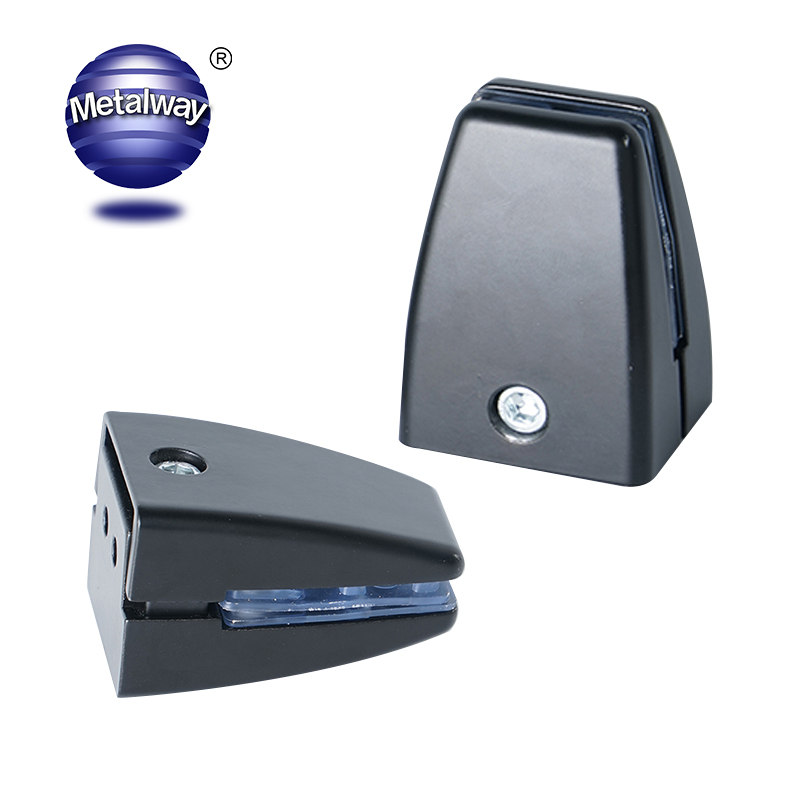
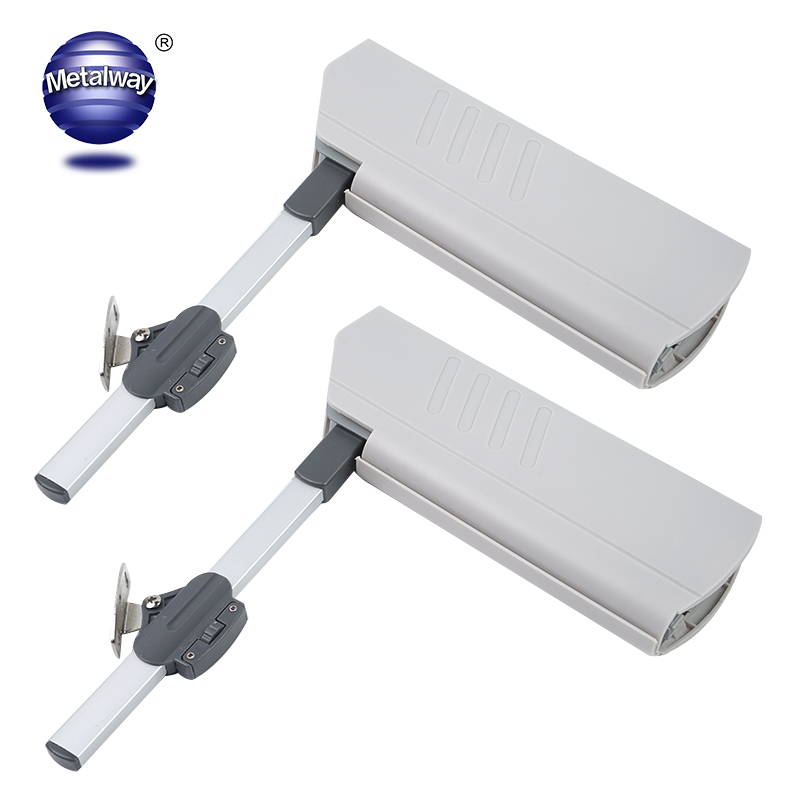
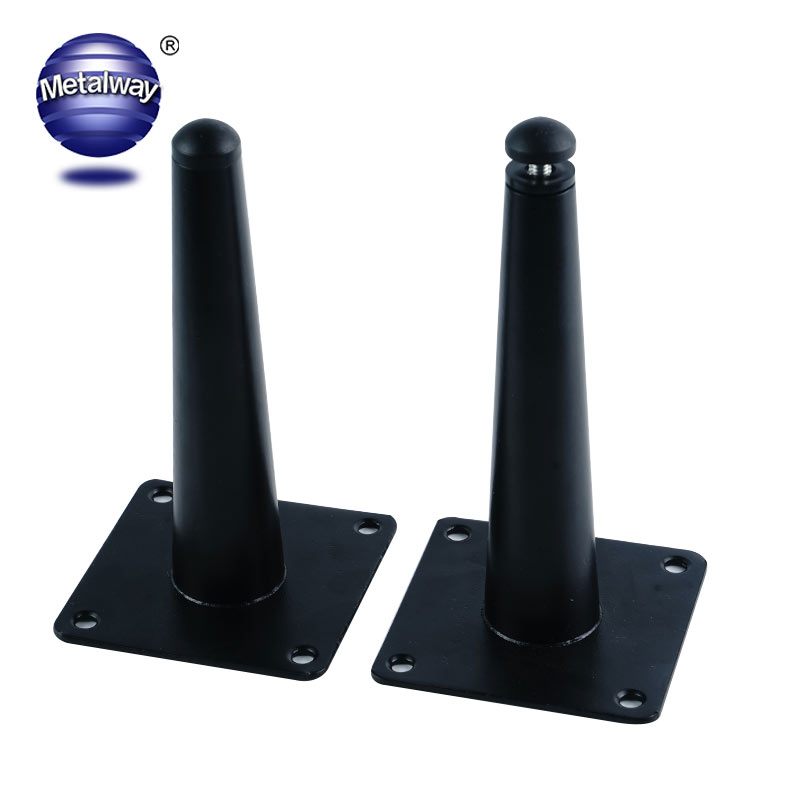
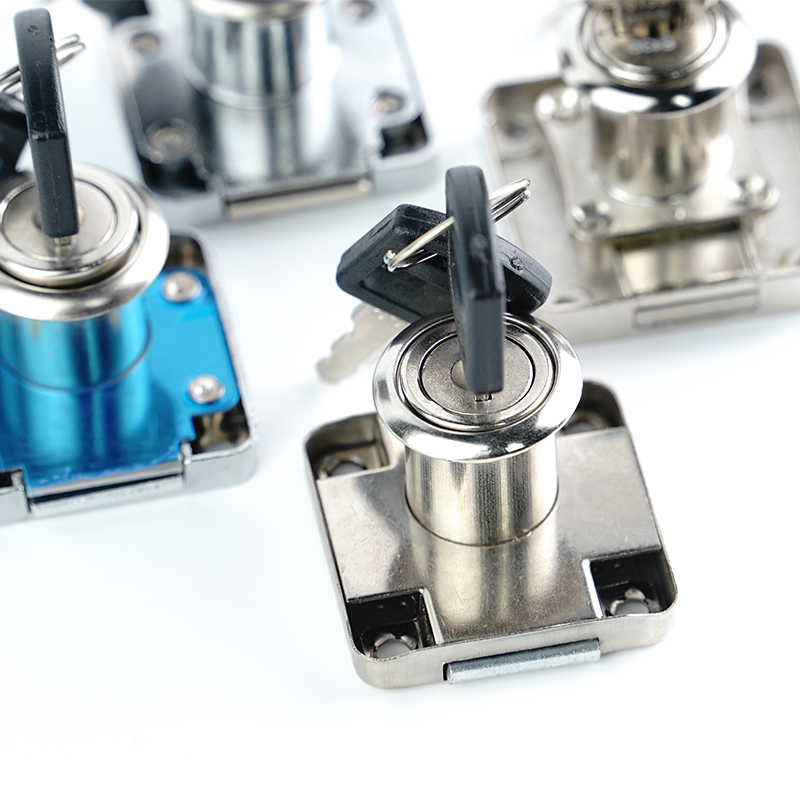
1. The Engineering Paradigm of Modern Door Latch Locks & Enclosure Systems
In high-traffic architectural spaces, specialized commercial interiors, and precision cabinetry, the mechanical door latch lock represents the frontline of operational durability, acoustic isolation, and physical perimeter security. Far beyond a rudimentary retention tab, an industrial-grade door latch lock mechanism is an integrated kinematic assembly comprising a spring-loaded latch bolt, mortise or tubular housing, cam-driven drive hub, deadlocking trigger, and counter-strike receiver. For overseas B2B buyers, institutional contractors, and commercial OEMs, sourcing locking systems demands a rigorous comprehension of metallurgy, metallurgical fatigue thresholds, surface passivation, and dimensional geometric tolerancing (GD&T).
Whether deploying a radial cam drawer lock (such as the industry standard 138 cylinder system), heavy-duty magnetic silent latches, or architectural mortise escape deadlatches compliant with EN 12209 and ANSI/BHMA A156 standards, failure during field operation generates severe warranty liabilities. Mechanical degradation most frequently stems from eccentric cycle loading, micro-fretting corrosion on cast zinc internal tumblers, poor spring temper leading to latch throw hysteresis, or inferior electroplating thickness leading to substrate oxidization. Consequently, international procurement teams are shifting audit protocols from simple visual inspections to documented factory metallurgical verification, tensile shear benchmarking, and accelerated neutral salt spray (NSS) environmental performance.
2. Metallurgical Selection & Performance Comparison Matrix
The operating lifespan of any door latch lock or structural hardware assembly is fundamentally governed by raw material purity and grain structure density. Manufacturers operating in high-volume export hubs typically offer three core alloy baselines: Zamak zinc die-cast alloys, cold-formed carbon steel, and austenitic 304/316 grade stainless steel. Sourcing teams must align application operating environments with the corresponding alloy characteristics to achieve optimal cost-to-performance equilibrium.
| Base Material Alloy | Tensile Yield Strength | Standard Surface Treatment | Corrosion Resistance | Ideal Architectural Application |
|---|---|---|---|---|
| SUS316 Marine Stainless | ≥ 290 MPa (Austenitic) | Electropolished / PVD Titanium | Extreme (1000h+ NSS) | Offshore, exterior coastal gates, public sanitarium enclosures |
| SUS304 Food/Architectural | ≥ 205 MPa (Cold Drawn) | Hairline Brushed / Satin Chrome | High (240h+ NSS) | Commercial washrooms, hotel guestrooms, hospital partitions |
| Zamak 3 / Zamak 5 Zinc | ≥ 220 MPa (Die-Cast) | Multi-Layer Nickel-Chrome Plate | Medium (96h NSS) | Interior residential passage doors, office credenza cam locks |
| Q235 / SPCC Carbon Steel | ≥ 235 MPa (Cold Stamped) | Electro-galvanized / Black E-Coat | Standard (48h–72h NSS) | Industrial electrical cabinets, storage locker latch linkages |
| 6063-T5 Extruded Aluminum | ≥ 145 MPa (Hardened) | Anodized (12μm–20μm Layer) | High (300h NSS) | Frameless glass partitions, demountable office privacy dividers |
3. Future Procurement Trends in Locking Hardware (2025–2030)
The global door latch and hardware market is undergoing rapid evolution propelled by urbanization, multi-functional interior layouts, and accelerated smart infrastructure adoption. B2B importers who fail to anticipate these technical trajectories risk accumulating inventory obsolete within three to five years. Procurement specialists are currently adjusting long-term vendor purchase orders according to four strategic procurement vectors:
Hybrid Mechatronic Integration
Traditional mechanical door latch assemblies are increasingly configured with embedded reed switches, micro-sensors, and low-energy solenoid channels to interface seamlessly with smart hotel access cards, biometric fingerprint readers, and cloud-monitored facility systems without altering physical door mortise dimensions.
Acoustic Decoupling & Silent Latching
Noise pollution reduction has shifted from luxury hospitality to commercial and residential design requirements. Modern latch bolts incorporate self-lubricating POM (Polyoxymethylene) polymer inserts and neodymium magnetic latching bodies that eliminate the tactile metallic "click" during door closure.
PVD & Antibacterial Nano-Finishes
Demand for organic wet plating has plummeted in favor of environmentally compliant Physical Vapor Deposition (PVD). Titanium-nitride PVD finishes impart exceptional Vickers hardness (> 2000 HV), resistance to acid cleansers, and copper-ion nano-coatings that achieve 99.9% surface antimicrobial reduction in medical environments.
Mixed-SKU Consolidation Agility
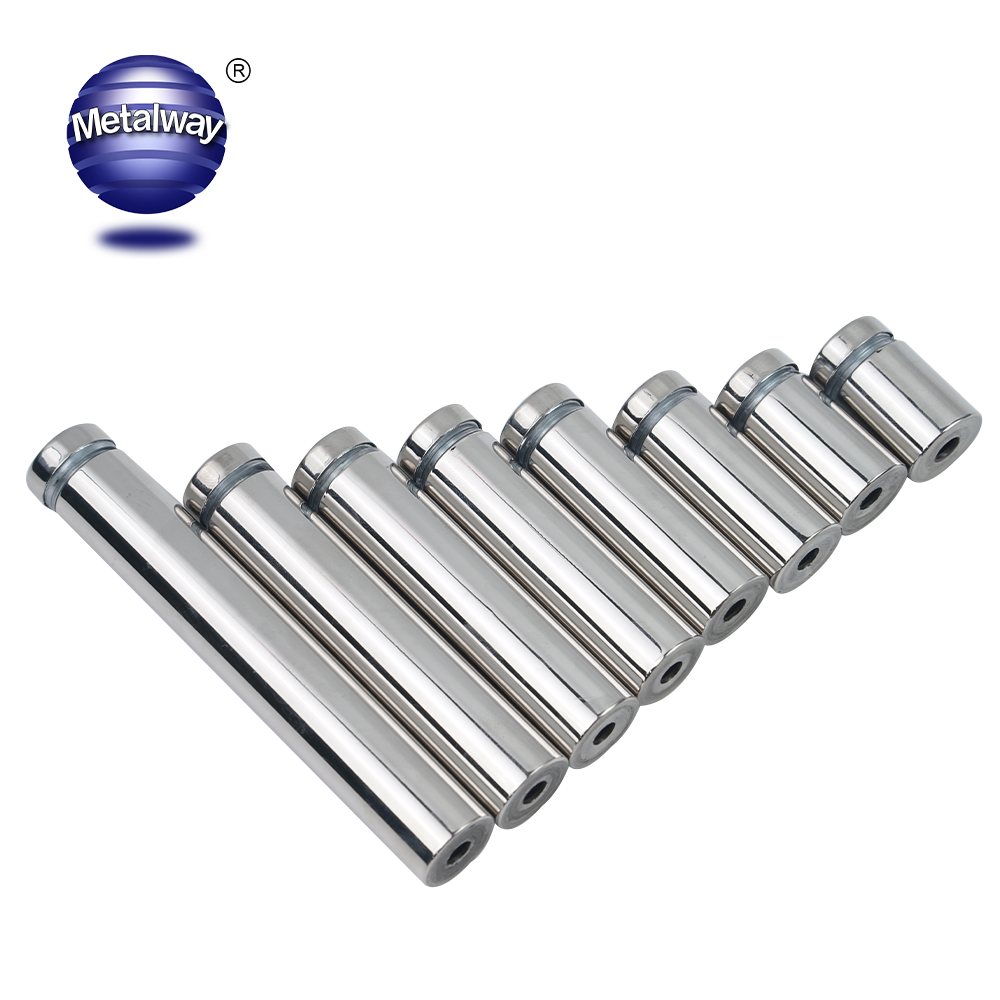
Importers are minimizing working capital risk by demanding mixed-SKU container stuffing. Rather than committing to 20,000 units of a single latch reference, buyers demand coordinated shipments pairing door locks with furniture levelers, sign standoffs, cabinet gas hinges, and shelf support pins under unified export documentation.
Traceable ESG & Low-Carbon Metallurgy
European and North American regulatory mandates require hardware exporters to supply certified declarations of recycled raw metal content. Secondary scrap utilization in aluminum extrusions and lead-free brass formulations (RoHS and REACH compliant) is now a mandatory qualifying prerequisite for tier-1 tenders.
4. Technological & Industrial Manufacturing Innovations
The transformation of contemporary hardware factories is anchored in process automation and digitized quality assurance. Within the Foshan hardware industrial corridor, modern production facilities have replaced manual lever presses with multi-station progressive stamping dies, high-pressure cold-chamber die-casting machines, and robotic grinding cells.
Specifically, in the fabrication of high-security cam locks, mortise latch bodies, and furniture leveling systems:
- Closed-Loop CNC Turning & Milling: Standoff pins, cylindrical lock barrels, and hinge pivot pins maintain dimensional clearances within ±0.015 mm, preventing axial wobble and ensuring buttery engagement over years of cyclic use.
- Automated Vision Inspection (AVI): Laser optical sorting machines inspect external thread integrity, internal keyway tumbler pin positions, and electroplating uniformity on 100% of finished lock cylinders at line speeds exceeding 120 pieces per minute.
- Electrophoretic Passivation: Secondary sealing coats applied post-electroplating fill microscopic intergranular fissures in zinc and iron castings, elevating standard salt spray resistance from 48 hours to over 144 hours without increasing coating thickness.
5. Manufacturing Credentials & Enterprise Competitive Advantages
Positioned in Foshan, Guangdong—the epicentre of China's premium architectural and furniture hardware manufacturing sector—Foshan EHOME Hardware Co., Ltd. serves as a direct strategic manufacturing partner for international hardware importers, commercial contractors, and furniture brands. With over 13 years of specialized hardware production experience and more than a decade of international trade execution, EHOME eliminates the friction of multi-vendor management.
6. B2B Procurement FAQ & Technical Due Diligence
Common technical and commercial questions submitted by hardware category managers, architectural ironmongers, and supply chain directors during factory onboarding:
Accelerate Your Hardware Sourcing with a Verified Factory Partner
Request our complete 2025 Architectural & Cabinet Hardware Engineering Catalog, including technical dimensional CAD drawings, bitting schematics, alloy test reports, and volume tiered export pricing.